
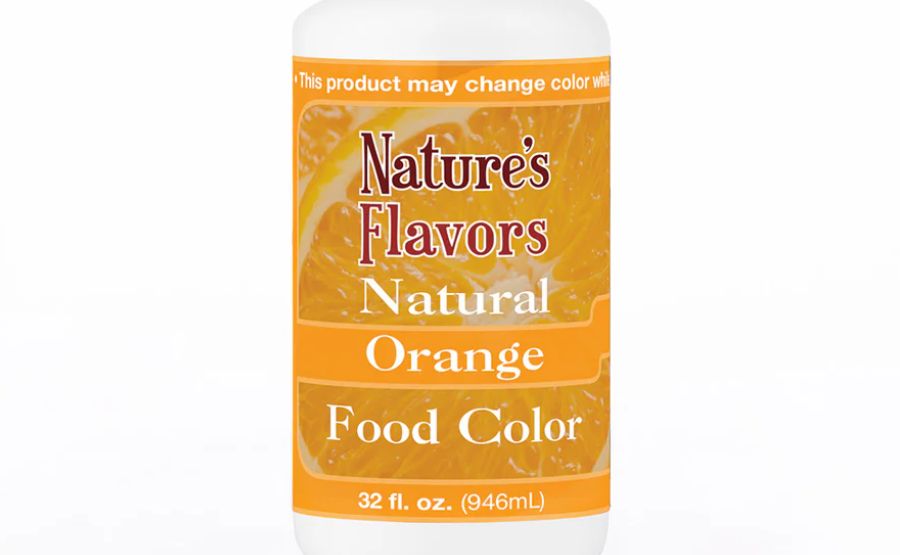
Color plays a major role in how consumers experience food. Before taste, aroma, or texture, it is appearance that creates the first impression. Among all food shades, orange stands out as one of the most appetizing and energetic colors used across the food industry. From beverages and confectionery to snacks and dairy products, orange food color has become essential for creating products that look fresh, flavorful, and visually appealing.
As consumer preferences continue shifting toward clean-label ingredients, the demand for natural orange food color is growing rapidly. Food manufacturers are increasingly replacing synthetic dyes with plant-based alternatives that provide both color and consumer confidence.
Why Orange Is Important in Food Products
Orange is strongly associated with flavor, freshness, and energy. Consumers naturally connect orange shades with ingredients such as citrus fruits, cheese, spices, and tropical flavors.
This psychological connection makes orange an extremely powerful color in food marketing and product development. A bright orange beverage appears refreshing, while an orange snack seasoning creates expectations of bold flavor.
Because of this strong visual impact, orange food color is widely used in multiple food categories worldwide.
What Is Orange Food Color?
Orange food color refers to coloring agents used to create shades ranging from light yellow-orange to deep reddish-orange in food and beverages.
These colors can be either synthetic or naturally derived. However, due to growing clean-label demand, natural orange food colors are becoming increasingly popular.
Common natural sources of orange food color include:
- Carrot extract
- Paprika oleoresin
- Annatto
- Turmeric
- Beta-carotene from fruits and vegetables
These ingredients contain natural pigments such as carotenoids, which are responsible for orange and yellow shades in nature.
Rise of Natural Orange Food Color
The food industry is witnessing a major transition from artificial additives to natural ingredients. Orange food color is part of this broader movement.
Consumer Awareness
Modern consumers are reading labels more carefully than ever before. Ingredients derived from vegetables and spices are often preferred over synthetic chemical names.
Clean-Label Demand
Brands are reformulating products to meet demand for transparency and recognizable ingredients.
Regulatory Pressure
In several markets, artificial food colors face increasing scrutiny and stricter regulations, encouraging manufacturers to adopt natural alternatives.
Plant-Based and Wellness Trends
Natural orange food colors align well with organic, vegan, and health-focused product categories.
Common Applications of Orange Food Color
Orange food color is one of the most versatile shades in the industry and is used across a wide range of products.
Beverages
Orange shades are widely used in fruit drinks, carbonated beverages, energy drinks, flavored waters, and functional beverages.
Dairy Products
Cheese, butter, flavored milk, yogurt, and ice cream frequently use orange coloring to enhance appearance and consistency.
Snacks and Seasonings
Chips, extruded snacks, spice coatings, and savory seasonings often rely on paprika or annatto-based orange colors.
Bakery and Confectionery
Cakes, frostings, candies, gummies, fillings, and decorative toppings commonly use orange food coloring.
Sauces and Ready Meals
Orange tones help improve the visual appeal of sauces, soups, pasta products, and prepared foods.
Benefits of Natural Orange Food Color
Strong Visual Appeal
Orange naturally attracts attention and stimulates appetite, making products appear more flavorful and appealing.
Consumer-Friendly Ingredient Labels
Ingredients like carrot extract or paprika are easier for consumers to recognize and trust.
Compatibility with Clean-Label Products
Natural orange food colors fit well into organic, plant-based, and minimally processed food categories.
Sustainability Potential
Many natural orange pigments are derived from renewable agricultural sources.
Challenges in Using Natural Orange Food Color
Despite their advantages, natural orange colors also present technical challenges.
Heat Stability
Some natural pigments may degrade during high-temperature processing.
Light Sensitivity
Exposure to light over time can affect color intensity.
Shade Consistency
Natural raw materials may vary depending on harvest conditions and sourcing.
Cost Considerations
Natural extraction and stabilization processes can increase production costs compared to synthetic dyes.
To address these issues, food color manufacturers continue investing in improved extraction technologies and stabilized formulations.
The Role of Food Color Manufacturers
Natural food color manufacturers are essential in helping brands transition toward natural solutions. Their responsibilities include:
- Developing stable formulations
- Enhancing color performance
- Customizing shades for specific applications
- Improving shelf life
- Meeting global food safety regulations
Advancements in food science are making natural orange food color more reliable and commercially viable across industries.
Future of Orange Food Color
The future of orange food color is closely tied to the broader growth of natural and clean-label foods. As consumer demand for transparency increases, manufacturers are expected to continue investing in natural pigment innovation.
Improved stabilization technologies, better extraction methods, and stronger supply chains will likely make natural orange colors even more effective and accessible in the coming years.
Orange shades will continue to play an important role in food presentation—but increasingly through ingredients consumers recognize and trust.
Final Thoughts
Orange food color is much more than a visual element. It influences perception, appetite, and purchasing decisions across countless food categories.
As the food industry moves toward cleaner labels and natural ingredients, natural orange food colors are becoming a preferred solution for manufacturers seeking both performance and consumer acceptance.
While challenges such as stability and consistency remain, ongoing innovation is steadily improving the practicality of natural orange pigments. In today’s evolving food market, vibrant orange shades are no longer just about appearance—they are about creating products that consumers feel confident choosing.
