
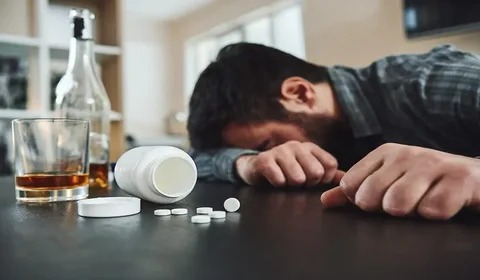
Struggling with substance abuse is one of the hardest battles a person can face, and taking that first step toward getting help often starts with a simple, honest decision: I need support. For many families across the Palmetto State, detox marks the beginning of that journey, but it’s really just the first chapter in a much bigger story that includes therapy, structure, and long-term support.
This guide walks through what detox actually involves, how it connects to a full rehab program, and what to look for when choosing a facility that can guide you through both stages. Whether the concern is alcohol, opioids, or another substance entirely, the goal here is to make an overwhelming process feel a little more manageable.
Overview of Treatment Program Options
| Program Type | Duration | Best Suited For | Level of Supervision |
| Medical Detox | 5–10 days | Severe substance dependency | 24/7 medical staff |
| Inpatient Rehab | 28–90 days | Moderate to severe addiction | 24/7 clinical supervision |
| Outpatient Rehab | 1–3 months | Mild dependency, flexible schedules | Scheduled check-ins |
| Sober Living Support | Varies | Post-treatment transition | Peer-supported, minimal supervision |
Signs It Might Be Time to Get Help
Recognizing these patterns early can spare a lot of pain down the road, both for the person struggling and everyone around them.
- Needing more of a substance just to feel the same effect
- Withdrawal symptoms showing up between uses
- Repeated attempts to cut back that haven’t stuck
- Falling behind at work, school, or home
- Continuing use despite obvious negative consequences
- Growing tension in relationships tied to substance use
- Using substances just to feel functional day to day
Even a few of these showing up consistently is usually reason enough to have an honest conversation about next steps rather than waiting for things to get worse.
Why Detox Comes First
Addiction changes the way the brain handles stress, cravings, and decision-making, which is a big part of why quitting cold turkey rarely holds up long-term. Trying to push through withdrawal without medical support, especially from alcohol or benzodiazepines, can get dangerous quickly, and that’s before factoring in how much harder it makes actually staying sober.
Medical detox exists to take that risk out of the equation, giving the body a safe, supervised way to clear substances before the real work of therapy begins. Patients who go through this properly tend to show up to treatment in a much better position to engage with it, rather than still fighting through physical withdrawal while trying to process everything else.
Therapy Approaches Used in Treatment
Effective treatment goes beyond just managing withdrawal, it addresses the actual thought patterns and emotional weight behind the addiction itself.
- Cognitive Behavioral Therapy for reshaping negative thinking
- Group therapy for shared accountability and support
- Family therapy to rebuild trust and communication
- Dialectical Behavior Therapy for emotional regulation
- Mindfulness and other holistic practices
- Nutritional counseling to support physical recovery
- Relapse prevention planning for the long run
Most programs combine several of these approaches rather than relying on just one, since addiction rarely comes from a single, simple cause.
Moving From Detox Into Full Rehab
Detox handles the physical side of things, but addiction is rarely just physical. Once the body has stabilized, most people benefit from continuing into a structured south carolina drug and alcohol rehab program, where the focus shifts to therapy, coping skills, and figuring out what actually led to the substance use in the first place.
Programs that build this transition in from the start tend to have better outcomes, simply because patients aren’t left to figure out “what’s next” on their own during a vulnerable time. Whether that means inpatient rehab, outpatient counseling, or an intensive outpatient program, having a plan already in motion before detox even ends makes the whole process feel less like starting over from scratch.
What to Look for in a Facility
Choosing the right treatment center requires a bit of homework before committing to any single program.
- Proper state licensing and accreditation
- Experienced, credentialed medical and clinical staff
- Personalized treatment plans rather than one-size-fits-all
- Positive patient reviews and documented outcomes
- Insurance and payment plan compatibility
- Strong aftercare and alumni support
- A safe, comfortable treatment environment
Taking time to actually verify these details, rather than relying on marketing alone, tends to make the difference between a good fit and a frustrating experience.
What Happens After Treatment Ends
Finishing a program is a genuine milestone, but it’s not really the finish line. Aftercare, whether that’s outpatient therapy, alumni check-ins, or ongoing support groups, plays a huge role in whether the progress made during treatment actually holds up once someone’s back in their regular routine.
Providers of Detox in South Carolina that build this planning in from the beginning, rather than treating it as an afterthought, tend to see stronger long-term outcomes. Family involvement often continues here too, since rebuilding those relationships doesn’t just stop because formal treatment is over.
Frequently Asked Questions
How long does detox typically take?
Most people go through detox in about 5 to 10 days, depending on the substance and severity of dependency.
Is rehab necessary after detox, or is detox enough on its own?
Detox alone rarely addresses the behavioral side of addiction, so most people benefit significantly from continuing into rehab.
Does insurance cover treatment costs?
Many facilities accept insurance for at least part of treatment; it’s worth confirming directly with the provider.
Can family members be involved during treatment?
Yes, most programs include family therapy and offer scheduled visitation throughout treatment.
What happens after finishing a program?
Most people move into aftercare, including outpatient therapy and support groups, to help maintain progress.
Conclusion
Getting help isn’t an easy decision, and it’s not meant to be one made lightly. With the right mix of medical detox, real therapeutic work, and a solid aftercare plan, lasting recovery is genuinely achievable for anyone willing to take that first step.
Finding a facility that treats detox and rehab as connected parts of one process, rather than separate boxes to check, tends to make all the difference in how sustainable that recovery actually turns out to be.
