
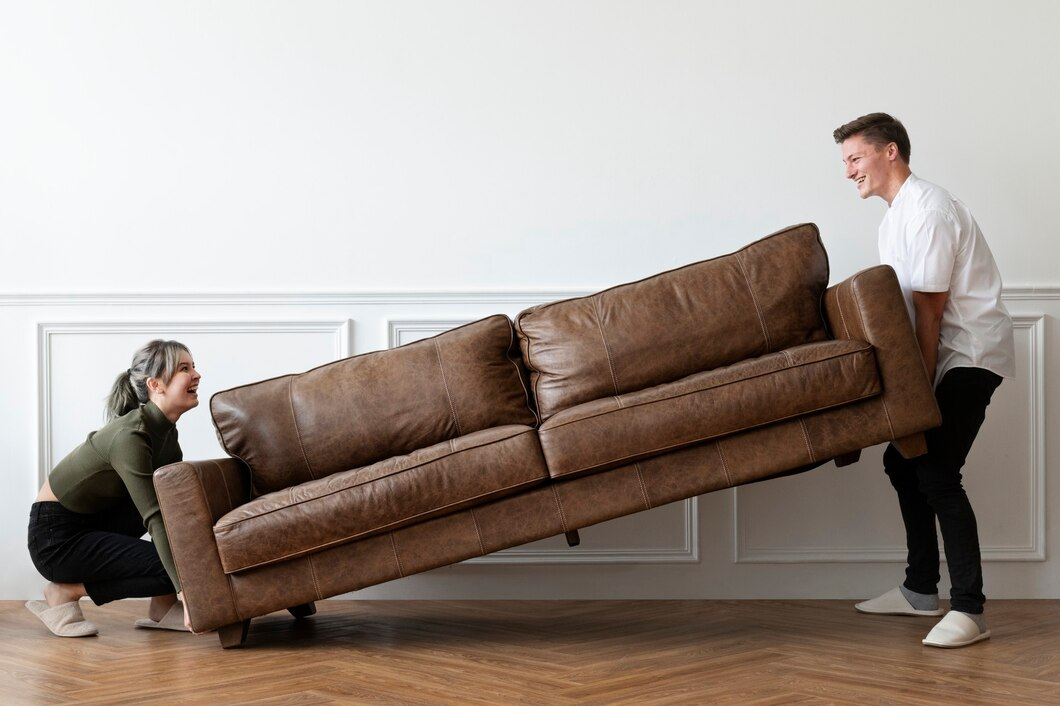
Moving large furniture is one of the most challenging parts of relocating to a new home. Heavy lounges, oversized wardrobes, dining tables, and bulky appliances can quickly turn a simple move into a stressful experience when not handled properly. Many people underestimate the planning and physical effort involved, which often leads to damaged furniture, injuries, and unnecessary delays.
Whether you are moving across town or changing suburbs, understanding the common mistakes people make can help you avoid costly problems. Many homeowners rely on experienced furniture removalists in Ballarat to safely handle bulky items because professional knowledge often prevents avoidable moving issues. Even if you plan to manage the move yourself, knowing what not to do can make the process smoother and far less stressful.
Underestimating the Size and Weight of Furniture
One of the biggest mistakes people make is assuming large furniture will be easy to move. Items may not seem extremely heavy until they need to be lifted through narrow hallways, staircases, or doorways.
Large furniture often becomes difficult because of:
- Uneven weight distribution
- Bulky shapes
- Fragile materials
- Limited grip points
Trying to move oversized furniture without proper planning can result in scratches on walls, broken furniture legs, or serious injuries. Measuring furniture dimensions before moving day helps identify potential problems early.
Failing to Measure Doorways and Entry Points
Many people forget to measure doorways, lifts, stairwells, and hallways before moving furniture. This often leads to furniture becoming stuck halfway through a move.
A large sofa may fit comfortably in a living room but fail to pass through the front entrance during removal. The same issue commonly happens with refrigerators, entertainment units, and king-sized mattresses.
Before moving day, measure:
- Door frames
- Hallway widths
- Staircase clearance
- Lift dimensions
- Vehicle loading space
Comparing these measurements with the furniture dimensions reduces the chance of delays and damage.
Not Disassembling Furniture Properly
Some furniture items are designed to be dismantled before transport, yet many people attempt to move them fully assembled. This creates unnecessary bulk and increases the risk of breakage.
Common items that should usually be disassembled include:
- Bed frames
- Dining tables
- Modular lounges
- Office desks
- Shelving units
Removing detachable parts makes furniture lighter and easier to handle. It also reduces strain on movers and lowers the chance of damaging walls or flooring.
Keeping screws, bolts, and fittings in labelled bags is equally important. Losing small hardware parts can make reassembly frustrating later.
Using the Wrong Moving Equipment
Another common mistake is attempting to move heavy furniture without suitable equipment. Carrying oversized items by hand can quickly become unsafe and inefficient.
Professional movers often use specialised equipment such as:
- Furniture dollies
- Moving straps
- Sliders
- Trolleys
- Protective blankets
Without these tools, lifting and manoeuvring heavy furniture becomes far more difficult. Improper handling can strain muscles, damage flooring, or cause furniture to slip during transport.
Ignoring Proper Lifting Techniques
Incorrect lifting techniques are responsible for many moving-related injuries. People often bend at the waist instead of using their legs, which places significant pressure on the back.
Safe lifting practices include:
- Keeping the back straight
- Lifting with the legs
- Holding items close to the body
- Avoiding sudden twisting movements
- Asking for help with heavy loads
Trying to move furniture alone is particularly risky. Even seemingly manageable items can become dangerous when navigating stairs or uneven surfaces.
Rushing the Moving Process
Moving large furniture requires patience and careful coordination. Rushing usually increases the risk of accidents and property damage.
People who hurry often:
- Skip safety checks
- Forget to secure items
- Use poor lifting methods
- Overload moving vehicles
Taking extra time to plan furniture placement and loading order can prevent many common moving problems.
Overloading the Moving Vehicle
Packing too much furniture into a truck or trailer at once is another frequent mistake. Overloading creates instability during transport and increases the chance of furniture shifting or falling.
Heavy items should be evenly distributed throughout the vehicle to maintain balance. Stacking furniture improperly can place pressure on fragile pieces, leading to cracks, dents, or broken frames.
Securing furniture with straps helps prevent movement during transit. Protective padding between items also reduces surface scratches.
Forgetting to Protect Floors and Walls
Large furniture can easily damage homes during a move. Scratched timber floors, chipped paint, and dented walls are common problems when furniture is dragged or carried carelessly.
Protective measures may include:
- Furniture sliders
- Floor coverings
- Corner guards
- Moving blankets
These simple precautions can significantly reduce property damage while moving bulky items through tight spaces.
Using Inadequate Packing Materials
Many people focus on packing small household items while neglecting furniture protection. Large furniture is still vulnerable to scratches, dents, moisture, and impact damage during transport.
Insufficient protection often results in:
- Torn upholstery
- Chipped timber finishes
- Cracked glass surfaces
- Damaged corners
Using proper moving blankets, bubble wrap, and protective covers helps preserve furniture condition throughout the move.
Not Planning the Loading Order
Loading furniture randomly into a moving truck creates unnecessary complications later. Poor organisation can make unloading difficult and increase the chance of damage.
A well-planned loading strategy generally involves:
- Placing heavy furniture first
- Securing bulky items against truck walls
- Stacking lighter items carefully
- Leaving frequently needed items accessible
Organised loading improves efficiency and protects furniture during transport.
Attempting to Move Everything Alone
Many people believe hiring help is unnecessary, especially for local moves. However, moving large furniture without assistance often creates avoidable stress and physical strain.
Heavy items usually require teamwork for safe handling. Coordinating lifts, turns, and positioning becomes much easier when multiple people are involved.
Trying to manage everything alone may result in:
- Personal injuries
- Furniture damage
- Delayed moving times
- Increased fatigue
Even experienced DIY movers often underestimate the difficulty of handling oversized furniture independently.
Neglecting Weather Conditions
Weather can significantly impact furniture moving safety and efficiency. Rain, heat, and strong winds create additional risks during loading and unloading.
Wet conditions may cause:
- Slippery pathways
- Water damage to furniture
- Reduced visibility
- Difficulty gripping furniture
Checking weather forecasts before moving day allows better preparation. Waterproof covers and non-slip footwear can help minimise weather-related problems.
Failing to Label Furniture Components
Disassembled furniture can become confusing during reassembly if parts are not labelled correctly. Many people remove screws and fittings without keeping track of where they belong.
This commonly leads to:
- Missing hardware
- Incorrect assembly
- Wasted time
- Structural instability
Using labelled bags or containers for furniture components simplifies reassembly and prevents unnecessary frustration later.
Dragging Furniture Instead of Lifting
Dragging heavy furniture across floors is a mistake that causes both property and furniture damage. Timber, tile, and vinyl flooring can scratch easily under heavy pressure.
Furniture legs may also weaken or break when dragged repeatedly. Even carpeted surfaces can become damaged by excessive friction.
Using sliders or lifting assistance helps protect both the furniture and the home during the move. For a safe furniture move, you need professionals from CBD Movers.
Poor Communication During the Move
Large furniture moves require clear communication between everyone involved. Misunderstandings while carrying heavy items can quickly lead to accidents.
Simple communication mistakes may cause:
- Sudden dropping of furniture
- Collisions with walls
- Hand injuries
- Loss of balance
Using clear instructions while navigating stairs, corners, and narrow spaces improves coordination and safety.
Not Checking Weight Limits
Some people overlook weight restrictions for lifts, trailers, or moving equipment. Exceeding these limits can create dangerous situations and potential equipment failure.
Heavy furniture items such as pianos, marble tables, or large wardrobes may require specialised transport methods. Checking equipment capacity beforehand helps avoid complications.
Leaving Drawers and Doors Unsecured
Furniture drawers and doors can swing open unexpectedly during transport if not secured properly. This creates instability and increases the risk of damage.
Before moving furniture:
- Empty drawers where possible
- Tape doors shut securely
- Remove loose shelves
- Lock movable parts
Securing these components improves stability during lifting and transport.
Ignoring Personal Safety
Some movers become so focused on protecting furniture that they ignore their own safety. Wearing unsuitable clothing or footwear can increase the risk of injury.
Safe moving attire generally includes:
- Closed-toe shoes
- Comfortable clothing
- Grip gloves
- Supportive footwear
Taking regular breaks during heavy lifting also helps reduce physical strain and fatigue.
Underestimating Staircase Challenges
Stairs create additional complexity when moving large furniture. Tight turns, steep angles, and limited visibility make manoeuvring difficult.
People often attempt risky movements on staircases without proper planning. This can lead to falls, damaged furniture, or injuries.
Using spotters and carefully coordinating each step improves safety when navigating stairs with heavy items.
Forgetting to Prepare the New Space
Many people focus entirely on removing furniture from the old property while neglecting preparation at the new location.
Before arrival, it helps to:
- Clear pathways
- Measure room layouts
- Protect flooring
- Decide furniture placement
Preparing the destination beforehand reduces unnecessary lifting and repositioning later.
Misjudging Time Requirements
Moving large furniture almost always takes longer than expected. People frequently underestimate the time needed for dismantling, loading, transport, unloading, and reassembly.
Unexpected delays commonly involve:
- Traffic
- Weather changes
- Access difficulties
- Parking limitations
- Complex stair access
Allowing extra time in the moving schedule reduces pressure and helps maintain safety throughout the process.
Conclusion
Moving large furniture involves far more than simply lifting heavy items from one location to another. Poor planning, rushed decisions, and unsafe handling methods are some of the most common reasons furniture moves become stressful and expensive.
From failing to measure doorways to using incorrect lifting techniques, these mistakes can lead to injuries, damaged belongings, and unnecessary delays. Careful preparation, proper equipment, and organised moving strategies make a significant difference in protecting both furniture and property during relocation.
Understanding these common moving mistakes helps create a safer, more efficient experience when handling bulky household items.
