
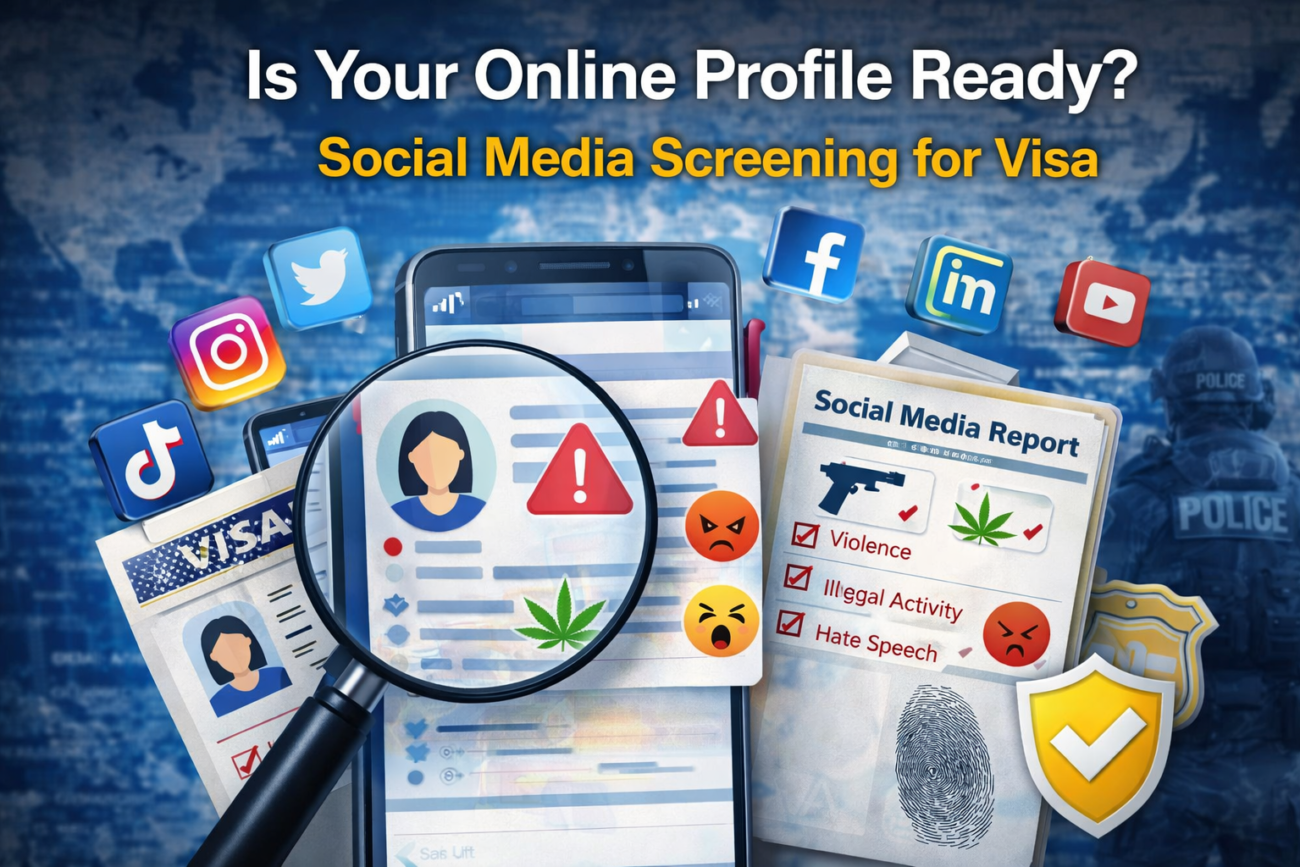
Your social media might be checked before your visa is approved. What feels like a fun and personal space is often seen as a way to understand who you are. Your posts, captions, and even old tagged content can quietly shape how others see you. Many people only focus on their documents and forget that their online profile also tells a story. Small things, even if harmless, can sometimes be misunderstood and may lead to delays, extra questions, or problems in the visa process.
Social Media Screening for Visa is slowly becoming a regular part of visa checks. Officials also look at online activity to understand a person better, along with what is written in their forms. This means your digital presence can affect your chances more than you think. Knowing what might stand out, what could cause concern, and how to present yourself better can really help. This guide will explain what matters and how you can be ready.
Social Media Checks in Visa Review
Many people think their social media has nothing to do with their visa. But in some cases, it can be looked at as part of your overall profile. It may not happen for everyone, but ignoring it is not a good idea anymore.
In today’s process, Digital Footprint Visa Screening helps officials see more than just documents. They may look at simple things like:
- Public posts: Updates and captions that show your daily life
- Tagged content: Posts where you are seen but did not post
- Bio details: Your job, links, or any information on your profile
Some countries are stricter about these checks:
- United States
- United Kingdom
- Canada
- Australia
It is also important to understand the truth:
- Not every person is checked online
- Many people still get visas without any review
- But if something looks unusual, your profile might be checked
So, your social media may not always be seen, but when it is, even small things can matter.
What Exactly on Social Media Can Affect Your Visa?
Your online presence can show more than you expect. Small things in posts, captions, or your bio can change how your profile looks to others. If something does not match your application, it can raise questions, even if it was not your intention.
- Inconsistent Information
If your social media and your application say different things, it can create doubt. For example, if your job details are not the same, it may confuse the person reviewing your case.
- Content That Raises Concerns
Posts that show illegal activity, bad language, or strong opinions can create a negative image. Even jokes or casual posts can be misunderstood if someone does not know the full story.
- Travel and Lifestyle Signals
Posts from trips you did not mention in your application can lead to questions. Also, posts that show sudden wealth or a rich lifestyle can make your profile seem unclear.
- How Your Profile Gets Evaluated
In many cases, Visa Social Media Verification is used to see if your profile matches who you say you are. When everything looks the same, it becomes easier for them to trust your application.
How Immigration Uses Your Digital Footprint
When you apply for a visa, what you do online can slowly shape how people see you. This includes platforms like LinkedIn, Facebook, and X, and even simple search results with your name. Small things like your bio, comments, or tagged posts can come together and show a bigger picture about you beyond your documents.
At the center of this is an Immigration Digital Footprint Audit. This means looking at public information to see if everything is consistent and believable. Even old posts or mentions can still appear and shape opinions. With better tools, this process is now faster and more detailed. This makes it important to remember that what you shared in the past can still matter today.
Real Risks: The Effect of Social Media on Visa Approval
Your online activity can affect how your application is seen. It may not always be the only reason for a rejection, but it can raise concerns that influence the final decision. Here are some common situations where problems can happen:
- Doubts About Credibility
If your online presence feels confusing or does not match your application, it can make your profile seem less trustworthy. This may lead to more questions or even rejection.
- Hidden Clues About Travel History
Posts from places that you did not mention in your application can raise red flags. This can lead to more checks and delays.
Before your visa appointment, you should Scan Social Media Before Visa Interview and see what your profile is saying about you. A lot of visas get rejected, not just because of papers, but because your online story does not match. Your online posts and activity should help your application, not make it confusing.
How to Make Your Social Media “Visa-Safe”
Before applying, take time to look at your profile like someone else would. Check your old posts, captions, and comments, and remove anything that could be misunderstood or create doubt. Make sure your basic details match your application. A quick Digital Footprint Check Online can help you see what others might notice first.
It is also important to control how your content looks to others. Adjust your privacy settings carefully, remove tags that seem questionable, and avoid making sudden big changes that look strange. Keep everything simple and natural. A clean and steady profile helps build trust and shows that your online presence matches your application.
Your Online Presence Is Part of Your Application
Your online presence is now a part of your application, even if you do not notice it. What you share, like, or get tagged in can shape how people see you. Documents are still important, but your digital life also tells your story. Taking some time to review and fix things can save you from stress later. Before you apply, take charge of your online presence and make sure it helps you, not harms you.
