
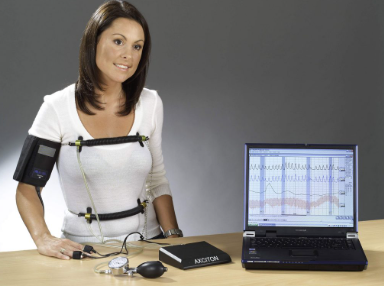
When most people hear the words “polygraph test,” they picture the classic Hollywood scene: a suspect sweating under bright lights while the machine beeps and clicks. But here’s the thing—real-life polygraph tests are rarely that dramatic, and they’re surrounded by a mix of myths, half-truths, and misunderstandings. If you’ve ever wondered what actually happens during one, or if they’re as accurate as people claim, you’re not alone.
I remember sitting across from a polygraph examiner once for a work-related security clearance. The tension in the room was palpable, even though I knew I hadn’t done anything wrong. The machine hummed quietly in the corner, wires and sensors ready. It felt intrusive, yes, but also oddly clinical. It made me think: is this science, or just a high-tech way to intimidate someone into confessing?
Let’s unpack what a polygraph test is, what it can and can’t do, and why people still swear by—or against—it.
What a Polygraph Test Actually Measures
Contrary to what you might think, a polygraph doesn’t detect lies. It measures physiological responses: heart rate, blood pressure, respiration, and skin conductivity. The idea is that when someone lies, their body reacts in ways that are hard to control. Your heart might race, your palms get sweaty, your breathing pattern changes. These are all signals a polygraph can pick up.
Here’s a simple example: imagine you’re asked if you’ve ever taken office supplies home from work. You say no, but your stomach knots, your breathing quickens, and your hands get clammy. The polygraph records those changes. The examiner then compares them to your baseline responses—like when you’re answering neutral questions—to see if there’s a noticeable spike. That spike is often interpreted as a sign of deception.
Now, this doesn’t mean the polygraph is reading your thoughts. If you’re nervous about being falsely accused, your body might react anyway. Conversely, someone who’s a skilled liar—or just naturally calm—might slip through undetected. That’s where the controversy begins.
Why People Trust or Distrust Polygraphs
There’s a kind of split personality around polygraphs. Law enforcement agencies and some employers use them regularly. Certain federal jobs require them. On the other hand, courts often reject polygraph results as evidence because they’re not foolproof. It’s kind of like using a metal detector in your backyard: it might find coins, but it can also get false positives from random bits of metal.
I once talked to a friend who works in corporate security. She told me about a candidate who passed the polygraph with flying colors but later admitted to serious misconduct. The test didn’t detect it—not because the technology is inherently flawed, but because human emotions and stress are messy, unpredictable things. And then there’s the reverse: someone who tells the truth but gets nervous under the spotlight might fail. It’s an imperfect science.
The Experience of Taking a Polygraph
If you’ve never had a polygraph, let me paint a picture. You’re usually in a small, quiet room. The examiner attaches sensors to your fingers, chest, and sometimes your arm. They’ll ask a series of control questions first—innocuous things like “Is today Wednesday?”—to establish your baseline. Then they move on to the relevant questions.
Here’s the tricky part: the way questions are asked matters a lot. Examiners are trained to watch for micro-expressions, subtle shifts in posture, tiny changes in breathing. Some of these cues are unconscious; your body can betray you before your mind does. And that’s why the experience can feel so intense. You’re hyper-aware of your own reactions, and that self-consciousness can actually influence the results.
I remember trying to stay calm while recalling something mildly embarrassing from my past. My heart raced a little more than I expected, and I could feel the examiner watching every twitch. It’s weirdly intimate—like someone reading your body language better than you can.
Common Myths About Polygraphs
Let’s bust a few myths right now. First, polygraphs test are not magic lie detectors. They can’t peer into your brain and pull out the truth. Second, beating a polygraph isn’t as simple as thinking calm thoughts or biting your tongue. Examiners know many of the tricks people try. Third, failing a polygraph doesn’t automatically mean you’re guilty. Nervousness, fear, or even a strong emotional response can trigger the same physiological signs as deception.
Here’s a mini scenario to make this real: imagine an honest person being questioned about something sensitive—like whether they’ve ever made a mistake at work that affected a client. They might feel anxious because they don’t want to get in trouble, even though they’re telling the truth. That anxiety could show up as a physiological spike, which the polygraph might flag. It’s not lying—it’s just human.
Why Polygraphs Are Still Used
So, if polygraphs are far from perfect, why are they still around? The answer is partly psychological and partly practical. For one, the test can act as a deterrent. Knowing a polygraph is coming may discourage someone from lying or committing misconduct. It also gives examiners a tool to guide interviews. Even when results are inconclusive, they can help pinpoint areas to probe further.
In intelligence and law enforcement, polygraphs are sometimes used for pre-employment screening or periodic checks. It’s not about catching every lie—it’s about adding a layer of oversight. Think of it as a backup system, not a silver bullet.
Can You Prepare for a Polygraph?
Here’s the brutal truth: there’s no guaranteed way to “pass” a polygraph if you’re hiding something. Trying to manipulate your physiology—like controlled breathing or muscle tensing—is risky. Examiners are trained to spot patterns and inconsistencies. What you can do is prepare mentally. Understand the process, know what types of questions to expect, and practice staying calm. Being honest is by far the safest route.
One friend of mine swore by visualization techniques. Before her test, she pictured herself in a calm, safe place and rehearsed answering questions naturally. When the test came, she felt less tense and more in control. That’s not cheating the polygraph; that’s managing your human response. And let’s be honest, it makes the experience less stressful.
The Debate Over Accuracy
Accuracy is the word that sparks endless debate. Some studies claim polygraphs can be up to 90% accurate in controlled settings. Others put the figure closer to 60–70%, especially outside the lab. The problem is simple: human physiology is influenced by far more than truth and lies. Anxiety, excitement, fear, and even caffeine can all interfere. Accuracy depends heavily on the examiner’s skill, the type of questions asked, and the individual being tested.
I’ve read stories of polygraph results being overturned or dismissed in court. One case involved a government employee who failed a polygraph during a routine screening. Later, investigators determined the result was due to pre-test anxiety and irrelevant medical conditions. The machine didn’t lie—it just misread signals, like a smoke detector going off from burnt toast.
The Human Factor
Here’s what fascinates me most: the human factor. A polygraph is only as good as the examiner interpreting it. Some people genuinely shine under scrutiny; others crumble under mild stress. That unpredictability is part science, part psychology, and part theater. If you’ve ever been questioned in a high-stakes situation, you know how much your own mind can betray you. It’s not about moral failing—it’s biology doing its thing.
I’ve seen colleagues argue passionately for polygraphs as a tool to maintain honesty and trust. I’ve also seen others roll their eyes, calling it “an outdated gimmick.” Both reactions are valid. The takeaway is that polygraphs are neither perfect lie detectors nor useless relics. They’re somewhere in the middle—tools that reveal human reactions more than absolute truths.
Final Thoughts
At the end of the day, a polygraph test is as much about people as it is about machines. It’s about nerves, stress, and human psychology intersecting with technology. If you’re facing one, the best approach is simple: stay calm, be honest, and don’t overthink tricks or strategies. Your body will often do the right thing naturally.
Polygraphs aren’t crystal balls. They can’t read minds or catch every lie. But they do offer insight—sometimes into a person’s truthfulness, sometimes into their fear, and sometimes just into how unpredictable human physiology can be. Walking out of that small, quiet room, wires detached and machine silent, you’re left with a feeling that’s hard to put into words: part relief, part amazement, and part respect for the weird, fascinating intersection of technology and humanity.
Whether you end up trusting them, doubting them, or somewhere in between, one thing’s clear: polygraphs are not just about lies. They’re about the human body and mind reacting in real time, often in ways even we can’t fully control. And maybe that’s the most honest truth of all.
