
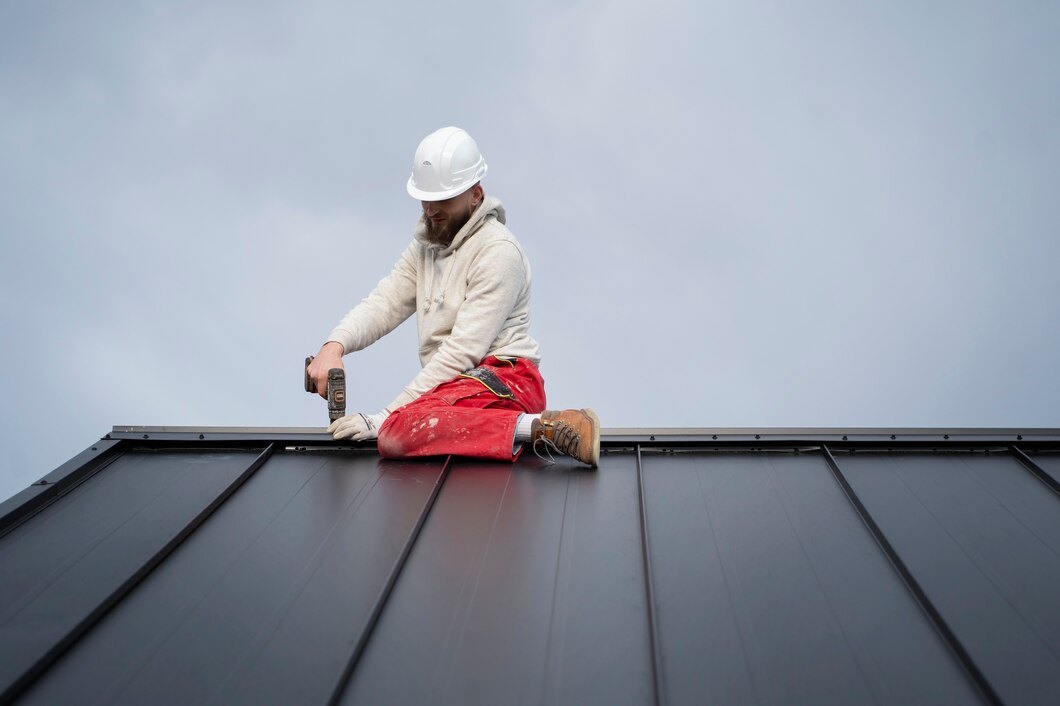
Your roof is one of the most critical components of your home, protecting everything beneath it from weather, debris, and structural damage. While minor fixes might seem manageable, there are situations where relying on professional roofing services becomes essential. Attempting to handle serious roofing issues on your own can lead to higher costs, safety risks, and long-term damage.
Understanding when to step back and bring in experts can save you time, money, and stress. This guide explores the clear signs that indicate it is time to stop DIY repairs and trust experienced professionals.
The Risks of DIY Roofing Repairs
DIY roofing projects often look simple in online tutorials, but real-world conditions are far more complex. Roofing systems involve layers, ventilation, insulation, and structural considerations that are not always visible.
Attempting repairs without proper knowledge can lead to:
- Incorrect installation of materials
- Hidden damage going unnoticed
- Voiding manufacturer warranties
- Increased risk of personal injury
Even a small mistake can compromise the integrity of your entire roof.
Visible Water Damage Inside Your Home
Water stains on ceilings or walls are one of the most obvious warning signs of roofing problems. These stains often indicate leaks that have already penetrated multiple layers of your roofing system.
If you notice:
- Brown or yellow stains on ceilings
- Peeling paint or bubbling drywall
- Damp or musty odors
It is time to call professionals. DIY patchwork might temporarily hide the issue, but it rarely addresses the root cause.
Missing, Cracked, or Curling Shingles
Shingles act as the first line of defense against the elements. When they begin to fail, your roof becomes vulnerable to water intrusion and structural damage.
Look for signs such as:
- Shingles that are completely missing
- Edges that are curling or buckling
- Cracks or visible wear
While replacing a single shingle might seem simple, widespread damage requires a professional assessment to determine whether repairs or a full replacement is necessary.
Sagging Roof Structure
A sagging roof is a serious issue that should never be handled as a DIY project. It often indicates structural problems such as weakened decking, water damage, or compromised supports.
This type of issue can escalate quickly and may even pose a risk of collapse if ignored. Professional roofing contractors have the tools and expertise to safely evaluate and repair structural damage.
Frequent Leaks Despite Repairs
If you find yourself repeatedly fixing leaks in the same area, it is a clear sign that the problem runs deeper than surface-level damage.
Recurring leaks may be caused by:
- Improper flashing installation
- Underlying structural issues
- Poor ventilation
- Aging roofing materials
Professionals can perform a comprehensive inspection to identify the exact cause and provide a long-term solution.
Mold or Moss Growth on the Roof
Mold, algae, and moss growth are not just cosmetic concerns. They can trap moisture and accelerate the deterioration of roofing materials.
You might notice:
- Dark streaks or green patches
- Thick moss buildup between shingles
- Increased moisture retention
Removing these growths improperly can damage shingles and spread spores. Roofing experts use safe and effective methods to clean and treat affected areas.
Damaged Flashing Around Roof Features
Flashing is installed around chimneys, vents, and skylights to prevent water from seeping in. When flashing becomes damaged or loose, leaks are almost inevitable.
Signs of flashing issues include:
- Rust or corrosion
- Gaps or separation
- Water pooling near roof penetrations
Because flashing plays a critical role in waterproofing, repairs should be handled by professionals to ensure proper sealing.
For professional roofing services, contact Nailed It Roofing Pros today.
Granules Accumulating in Gutters
As asphalt shingles age, they begin to shed granules. These granules often collect in gutters and downspouts.
If you notice excessive granule buildup, it may indicate that your shingles are nearing the end of their lifespan. This reduces their ability to protect your home from UV rays and weather damage.
A professional inspection can determine whether a repair or full replacement is the best course of action.
Increased Energy Bills
A damaged roof can affect your home’s insulation and ventilation, leading to higher energy costs. Poor roofing conditions allow heat to escape during winter and enter during summer.
This can result in:
- Overworked HVAC systems
- Uneven indoor temperatures
- Rising utility bills
Professional roofing services can identify insulation and ventilation issues and restore energy efficiency.
Storm Damage and Severe Weather Impact
After a major storm, your roof may sustain damage that is not immediately visible. High winds, hail, and heavy rain can weaken roofing materials and create vulnerabilities.
Common post-storm issues include:
- Loose or missing shingles
- Hidden leaks
- Structural stress
Climbing onto your roof after a storm can be dangerous. Professionals are trained to safely assess and document damage, often helping with insurance claims as well.
Aging Roof Nearing the End of Its Lifespan
Every roofing material has a lifespan. Asphalt shingles typically last 20 to 30 years, while other materials may last longer.
If your roof is approaching its expected lifespan, even minor issues can signal the need for professional evaluation. Delaying action can lead to more extensive and costly repairs.
Lack of Proper Tools and Safety Equipment
Roofing work requires specialized tools and safety gear, including harnesses, ladders, and protective equipment. Without these, the risk of accidents increases significantly.
Professional roofers are trained in safety protocols and have access to the right equipment to complete the job efficiently and safely.
Warranty and Insurance Considerations
Many roofing materials come with warranties that require professional installation and repairs. DIY work can void these warranties, leaving you unprotected in case of future issues.
Additionally, improper repairs can complicate insurance claims if further damage occurs. Hiring professionals ensures that all work meets industry standards and documentation requirements.
Complex Roofing Designs and Materials
Modern homes often feature complex roof designs with multiple slopes, valleys, and materials. These designs require precise installation techniques.
DIY repairs on complex roofs can lead to:
- Improper water drainage
- Increased leak risks
- Structural imbalances
Professional roofing services have the expertise to handle intricate designs and ensure long-lasting results.
When Repairs Turn Into Replacements
Sometimes what appears to be a small issue can reveal widespread damage once inspected. Professionals can determine whether repairs are sufficient or if a full replacement is more cost-effective.
Attempting to patch extensive damage yourself often leads to repeated expenses and ongoing problems.
Final Thoughts
Knowing when to stop DIY efforts and call in experts is crucial for maintaining the safety and longevity of your home. While minor maintenance tasks can be handled independently, significant roofing issues require professional attention.
From structural concerns and recurring leaks to aging materials and storm damage, the signs are often clear. Ignoring them or attempting temporary fixes can lead to bigger problems down the line.
Professional roofing services provide the expertise, tools, and long-term solutions needed to protect your home effectively.
