
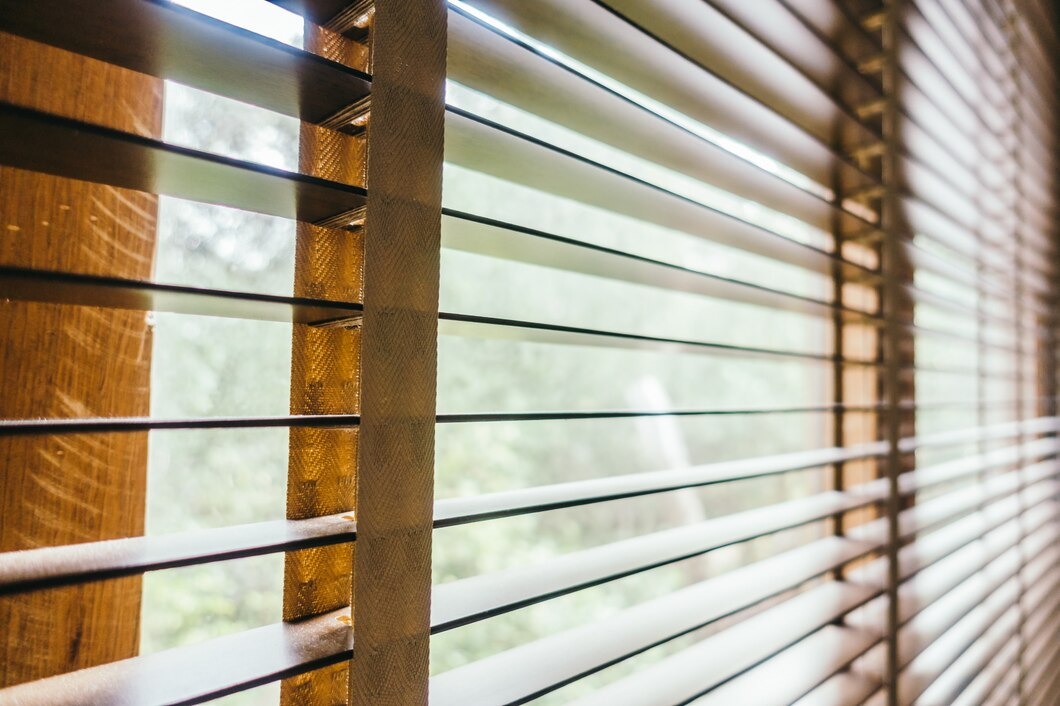
Modern homeowners are constantly looking for practical ways to reduce energy consumption without sacrificing comfort or style. One solution that has gained significant attention is automated window shades. These advanced window treatments do much more than provide privacy or improve interior design. They help regulate indoor temperatures, reduce strain on heating and cooling systems, and support better energy efficiency throughout the year.
As energy costs continue to rise, smart window treatments are becoming an important part of modern home management. By responding to sunlight, temperature changes, and user preferences, these systems create a more comfortable living environment while helping homeowners save energy in a consistent and measurable way.
Understanding Smart Window Treatments
Smart window treatments are motorized blinds, shades, or curtains that can be controlled through remote devices, smartphone apps, voice assistants, or automated schedules. Unlike traditional coverings, these systems can adjust automatically based on environmental conditions or programmed settings.
Common smart window treatment options include:
- Motorized roller shades
- Cellular shades
- Smart blinds
- Automated curtains
- Solar shades
These systems are often integrated with smart home technology, allowing homeowners to create schedules that optimize indoor comfort and energy performance throughout the day.
How Windows Affect Home Energy Efficiency
Windows play a major role in indoor temperature regulation. During summer, sunlight entering through uncovered windows can dramatically increase indoor heat. In winter, poorly insulated windows can allow valuable heat to escape.
According to energy efficiency experts, windows can account for a significant percentage of residential heating and cooling energy loss. This means managing sunlight and insulation around windows is critical for maintaining indoor comfort while reducing utility expenses.
Smart window treatments help address these challenges by controlling heat gain and heat loss more effectively than manual coverings.
Reducing Heat Gain During Summer
One of the biggest benefits of smart window treatments is their ability to reduce solar heat gain during warmer months. When direct sunlight enters a room, indoor temperatures rise quickly, causing air conditioning systems to work harder.
Smart shades can automatically lower during the hottest parts of the day to block excess sunlight before it heats the interior space.
Benefits of reducing solar heat gain include:
- Lower indoor temperatures
- Reduced air conditioning usage
- Improved comfort near windows
- Less glare on screens and surfaces
- Better protection for furniture and flooring
Solar shades and reflective materials are especially effective because they filter sunlight while still allowing natural light to enter the room.
Improving Insulation During Winter
Smart window treatments also help improve insulation during colder seasons. Certain styles, especially cellular shades, trap air within their structure, creating an additional barrier between the window and the indoor environment.
During winter evenings, automated systems can close shades automatically to reduce heat loss through glass surfaces.
This added insulation can help:
- Maintain warmer indoor temperatures
- Reduce heating system workload
- Improve energy retention
- Minimize cold drafts near windows
By creating a more stable indoor temperature, homeowners can rely less on constant thermostat adjustments.
Automated Scheduling Enhances Efficiency
One of the most valuable features of smart window treatments is automated scheduling. Instead of manually opening and closing shades throughout the day, homeowners can create routines based on sunlight patterns and seasonal conditions.
For example:
- Shades can open in the morning during winter to allow natural warmth inside
- Shades can close during peak afternoon heat in summer
- Window coverings can automatically close after sunset to improve insulation
- Bedroom shades can open gradually for natural morning light
Automation eliminates human error and ensures window treatments are used consistently for maximum energy savings.
Integration With Smart Home Systems
Many smart window treatments work seamlessly with modern smart home ecosystems. Integration with voice assistants and smart thermostats allows homeowners to create a more connected and energy-efficient living environment.
For instance, smart shades can coordinate with a thermostat to reduce cooling demand during sunny afternoons. If indoor temperatures begin rising, the shades can lower automatically before the air conditioner needs to work harder.
Popular integrations often include:
- Voice assistant compatibility
- Smartphone control
- Climate sensors
- Smart thermostat coordination
- Sunrise and sunset automation
This level of synchronization helps optimize home energy usage without requiring constant user input.
Natural Light Without Excessive Heat
Natural light is important for comfort, mood, and productivity. However, excessive sunlight can increase indoor temperatures and create glare problems.
Smart window treatments allow homeowners to balance natural light and temperature control more effectively.
Some advanced systems use light-filtering fabrics that:
- Diffuse harsh sunlight
- Reduce glare
- Maintain outdoor visibility
- Lower UV exposure
- Help regulate room temperature
This allows homeowners to enjoy bright living spaces without sacrificing energy efficiency.
Energy Savings Over Time
While smart window treatments require an initial investment, many homeowners experience long-term savings through reduced heating and cooling costs.
The exact savings depend on factors such as:
- Climate conditions
- Window size and placement
- Home insulation quality
- Type of window treatment used
- Daily sunlight exposure
Homes with large south-facing or west-facing windows often benefit the most because these areas receive intense sunlight throughout the day.
Over time, reducing HVAC strain may also contribute to longer equipment lifespan and lower maintenance expenses.
Protecting Interior Furnishings
Excessive sunlight can damage interior furnishings over time. UV exposure may cause fading on:
- Hardwood floors
- Upholstery
- Rugs
- Artwork
- Curtains
- Furniture finishes
Smart shades can automatically close during peak UV hours, helping preserve interior materials while supporting energy efficiency at the same time.
This dual benefit makes smart window treatments both a practical and protective home improvement solution.
Different Types of Energy Efficient Smart Shades
Not all smart window treatments offer the same level of energy performance. Some designs are more effective for insulation, while others focus on solar heat reduction.
Cellular Shades
Cellular shades are among the most energy-efficient options because their honeycomb structure traps air and improves insulation.
Benefits include:
- Excellent thermal performance
- Noise reduction
- Improved indoor comfort
- Better winter insulation
Solar Shades
Solar shades are designed to reduce glare and block UV rays while maintaining visibility to the outside.
These are ideal for:
- Living rooms
- Home offices
- Rooms with large windows
- Sun-facing areas
Blackout Shades
Blackout shades completely block incoming light and can help improve insulation in bedrooms and media rooms.
They are useful for:
- Temperature control
- Privacy
- Better sleep quality
- Reduced heat gain
Smart Curtains
Automated curtains offer a softer design aesthetic while still improving energy efficiency when paired with insulated fabrics.
Sensor Based Adjustments Improve Performance
Some advanced smart window systems use sensors to make real-time adjustments based on changing environmental conditions.
These sensors may monitor:
- Sunlight intensity
- Indoor temperature
- Outdoor temperature
- Time of day
- Occupancy
For example, if a room becomes too warm during the afternoon, shades can automatically lower to reduce heat buildup.
This adaptive functionality improves comfort while minimizing unnecessary energy use.
Supporting Sustainable Living
Energy-efficient homes are becoming increasingly important as homeowners look for sustainable ways to reduce environmental impact.
Smart window treatments contribute to sustainability by:
- Lowering electricity usage
- Reducing HVAC demand
- Improving energy conservation
- Supporting eco-friendly home upgrades
When combined with other smart technologies, these systems can become part of a broader energy management strategy focused on long-term efficiency.
Ideal Rooms for Smart Window Treatments
Although smart window treatments can improve efficiency throughout the home, certain rooms often benefit the most. For quality window shades, explore All Prive today.
Living Rooms
Large windows in living spaces often allow substantial sunlight and heat gain. Automated shades help maintain comfort while preserving natural light.
Bedrooms
Smart blackout shades support better sleep while improving insulation and privacy.
Home Offices
Reducing glare on computer screens while maintaining comfortable temperatures can improve productivity and comfort.
Sunrooms
Sunrooms typically experience significant temperature fluctuations. Smart shades help regulate heat and improve usability throughout the year.
Common Features Homeowners Look For
When selecting smart window treatments, homeowners often prioritize features that improve convenience and efficiency.
Popular features include:
- Smartphone app control
- Voice assistant compatibility
- Quiet motor operation
- Battery powered options
- Rechargeable systems
- Custom scheduling
- Light filtering fabrics
- Temperature responsive automation
The right combination of features depends on the homeowner’s energy goals, budget, and preferred level of automation.
Professional Installation and Proper Fit Matter
For smart window treatments to perform effectively, proper installation is essential. Poorly fitted shades can allow light gaps, reduce insulation performance, and limit automation efficiency.
Professionally installed systems often provide:
- Accurate window measurements
- Better motor calibration
- Improved appearance
- Reliable automation setup
- Enhanced long-term performance
A proper fit ensures homeowners receive the full energy-saving benefits of the system.
The Future of Energy Efficient Homes
Smart home technology continues evolving, and smart window treatments are becoming increasingly sophisticated. Future innovations may include even more advanced sensors, AI-driven automation, and deeper integration with home energy systems.
As homeowners continue prioritizing comfort, sustainability, and energy savings, smart window coverings will likely remain a key feature in energy-conscious home design.
These systems provide a practical solution for controlling indoor temperatures, reducing energy waste, and creating more comfortable living spaces throughout the year.
Conclusion
Smart window treatments offer far more than convenience and modern aesthetics. They actively improve home energy efficiency by reducing heat gain during summer, improving insulation during winter, and supporting automated climate control strategies.
By integrating with smart home systems and adjusting automatically based on environmental conditions, these window coverings help homeowners reduce energy consumption while maintaining year-round comfort. Whether through solar shades, cellular designs, or automated curtains, smart window treatments are becoming an increasingly valuable investment for modern energy-efficient homes.
