
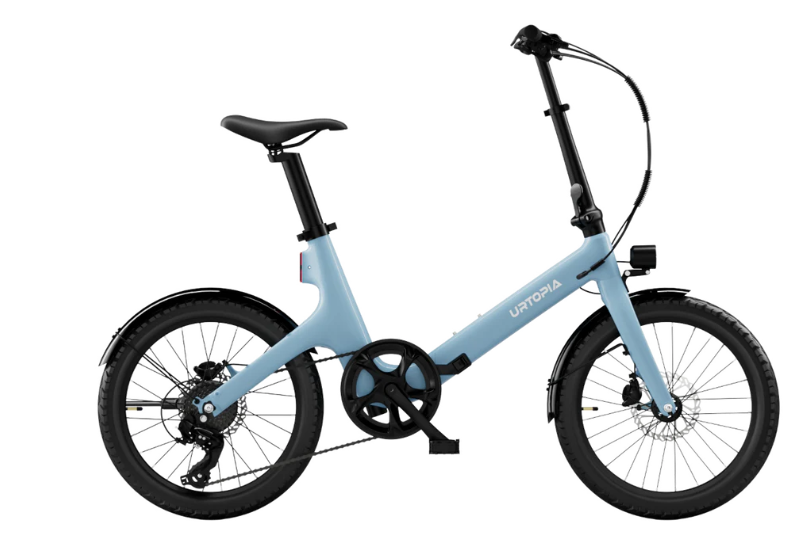
City riding is different from long-distance cycling or weekend trail riding. In a busy urban routine, a bike has to be easy to move, easy to park, and simple to use every day. That is why more shoppers comparing e bikes for sale are starting to care less about the biggest motor or the largest battery and more about weight, handling, and daily convenience.
For many city riders, e-bikes are no longer just a fun upgrade. They are practical transportation for commuting, grocery runs, coffee stops, and short trips that would otherwise require a car. In that kind of routine, a lighter electric bike often makes more sense.
Why City Riders Are Choosing Lightweight E-Bikes
Lightweight electric bikes are becoming popular because they solve real problems that city riders face every day.
Easier to Ride in Stop and Go Traffic
City riding often means stopping at lights, slowing down near pedestrians, moving through bike lanes, and starting again at intersections. A heavy bike can feel harder to control in these moments, especially when traffic is tight or the road is crowded.
A lightweight e-bike feels more responsive. It is easier to balance at low speeds, easier to steer around obstacles, and less tiring when the ride includes frequent stops.
Better for Apartments and Small Spaces
Many urban riders do not have a garage. They store their bike in an apartment, hallway, office, elevator, or shared storage room. In those situations, every pound matters.
A lighter bike is easier to lift over a curb, roll through a lobby, or carry up a few stairs. It also feels less awkward when you need to turn it around in a narrow hallway or fit it into a small corner at home.
More Practical for Daily Errands
City riders often use their bikes for short, repeated trips. A quick ride to the grocery store, gym, train station, or office should not feel like a big production.
A lightweight electric bike makes these short rides easier to start and finish. You can lock it up more comfortably, move it around racks more easily, and handle it better when carrying a backpack or small shopping bag.
What Makes a Lightweight E-Bike Different
A lightweight e-bike is not just a regular electric bike with fewer features. The design usually focuses on balance, control, and everyday usability.
Lower Frame Weight
The frame plays a major role in how light a bike feels. Materials such as aluminum or carbon fiber can reduce weight while keeping the frame strong enough for daily riding.
Lower frame weight also affects the riding experience. The bike feels less bulky when turning, parking, or pedaling without much motor assistance.
Slimmer Battery Design
Many lightweight models use a more compact battery because city trips are often shorter than weekend rides. Instead of chasing maximum range, the design focuses on enough power for daily commuting and errands.
This can make the bike look cleaner and feel more natural. For riders who mostly travel a few miles at a time, a balanced battery setup may be more useful than an oversized one.
More Natural Pedaling Feel
One of the biggest advantages of a lightweight electric bike is that it can still feel like a bike. When the motor assist is lower or turned off, pedaling does not feel as heavy.
This matters for riders who want fitness benefits, a more familiar cycling feel, or the option to ride without relying on assist all the time.
Benefits of Lightweight E-Bikes for City Commuting
For commuting, the best bike is not always the most powerful one. It is often the one that feels easiest to use every morning.
Faster Starts at Intersections
A lighter bike can feel quicker when pulling away from a stop. That helps in city traffic, where riders often need to move smoothly through intersections and keep pace with bike lane flow.
Motor assistance still helps, but the lower weight makes the whole bike feel easier to launch and control.
Easier Parking and Locking
Parking a bike in the city is not always simple. Bike racks may be crowded, uneven, or placed close to walls and poles. A heavy e-bike can be frustrating to position, especially when you are trying to lock both the frame and wheel securely.
A lighter model is easier to angle into place. That small convenience matters when you do it every day.
Less Fatigue During Daily Rides
Weight affects more than speed. It also affects how tired you feel before and after the ride. Carrying, parking, pushing, and maneuvering a bike can add up over time.
A lightweight e-bike reduces those small moments of effort. For commuters, that can make riding feel less like a chore and more like a normal part of the day.
Lightweight E-Bikes vs Heavier E-Bikes
Both lightweight and heavier electric bikes can be useful, but they fit different riding needs.
Comparison Table
| Factor | Lightweight E-Bike | Heavier E-Bike |
| Daily Handling | Easier to move and control | More effort in tight spaces |
| Apartment Storage | Better for stairs and small spaces | Harder to lift or store |
| Ride Feel | More natural and bike-like | More powerful but bulkier |
| Range | Usually enough for city trips | Often built for longer rides |
| Best For | Commuting and errands | Cargo, long routes, rougher roads |
Power and Range Tradeoffs
Heavier e-bikes often come with larger batteries, stronger motors, or cargo-ready frames. That can be useful for riders who travel long distances, carry heavy loads, or ride on rough roads.
Lightweight models usually focus on balance instead. They may not offer the longest possible range, but they are often easier to use in real city conditions.
Which Type Fits City Riders Better
For many urban riders, the lighter option is more practical. If your ride includes apartments, elevators, office storage, bike racks, short commutes, and mixed traffic, lower weight can be more valuable than extra power you rarely use.
What to Look for in a Lightweight City E-Bike
Choosing the right lightweight model means looking beyond weight alone.
Comfortable Riding Position
A good city bike should keep you comfortable and aware of your surroundings. An upright or slightly relaxed position can help with visibility, traffic awareness, and daily comfort.
Reliable Brakes for Urban Stops
City riding requires frequent braking. Look for brakes that feel controlled and predictable, especially in wet weather or stop and go traffic.
Enough Range for Your Routine
You do not always need the biggest battery. You need enough range for your commute, errands, and a reasonable buffer. A lighter bike with practical range can be smarter than a heavier bike with more capacity than you actually use.
When a Lightweight E-Bike May Not Be the Best Fit
A lightweight e-bike is not perfect for every rider, so it helps to be realistic about your needs.
Long Distance Riding Every Day
If you ride many miles daily and do not want to charge often, a larger battery may be better.
Carrying Heavy Cargo
If you regularly carry kids, tools, large grocery loads, or delivery bags, a heavier cargo-focused model may offer better stability and capacity.
Riding Rough Roads Often
For rough roads, gravel, or uneven routes, a heavier bike with wider tires and stronger suspension may feel more secure.
Conclusion
Lightweight e-bikes are becoming the smarter choice for city riders because they match the way urban trips actually happen. They are easier to handle, easier to store, and less tiring to use day after day.
For riders who commute, run errands, and move through crowded city spaces, lower weight can matter more than maximum power. A good lightweight electric bike makes daily transportation feel simpler, cleaner, and more realistic.
