
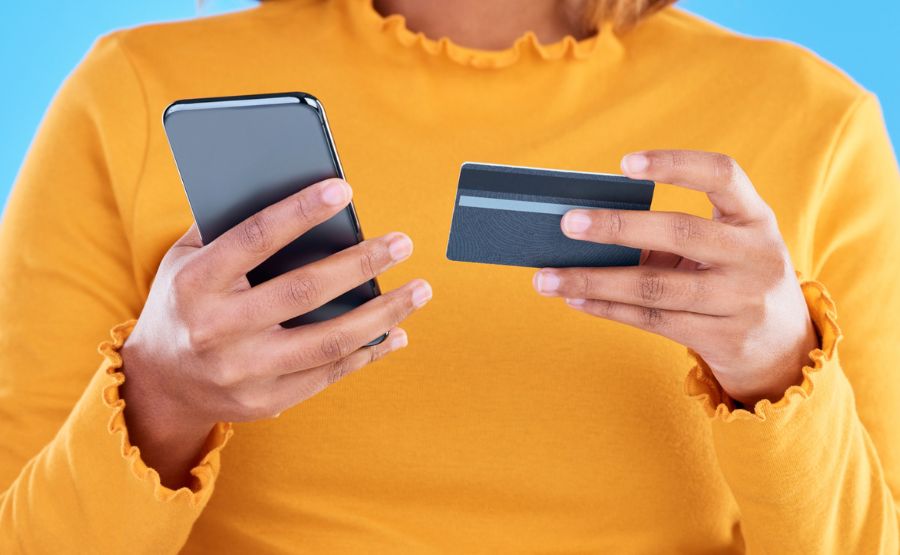
The way businesses deliver rewards has shifted significantly in the last five years. Physical cards require procurement lead times, postal delivery, and inventory management. For businesses operating across multiple locations, remote teams, or international workforces, those logistics create friction that undermines the recognition experience. A flexible virtual Visa gift card removes that friction entirely. The reward is instant, global, and usable anywhere Visa is accepted. In a workforce where remote and hybrid arrangements are now standard, instant digital delivery is not a nice feature. It is the expectation.
What Exactly Is a Virtual Gift Card?
A virtual gift card is a prepaid card that exists as a digital credential rather than a physical object. It has a card number, expiry date, and CVV code, exactly like a physical card. It can be used for online purchases anywhere the card network is accepted. Some virtual cards can also be added to digital wallets like Apple Pay or Google Pay, enabling contactless in-store payments.
The key difference from a physical card is delivery. A virtual card is issued and delivered via email or SMS in seconds. There is no printing, no postage, no waiting. For a manager wanting to recognise a remote employee on the same day as their achievement, virtual delivery makes that possible. Physical delivery cannot compete with that timing.
Why Does Instant Delivery Matter for Recognition?
Timing is the most important variable in recognition psychology. Research from the Harvard Business Review confirms that the motivational impact of a reward drops significantly when there is a delay between the behaviour and the recognition. A reward delivered the same day creates a direct neural association between the action and the positive outcome. A reward delivered three weeks later is appreciated but not motivating in the same way.
Virtual gift cards make same-day recognition operationally possible for any business. No procurement process. No logistics delay. A manager approves the reward, enters the employee’s email, and the card is delivered. The entire process takes under five minutes. That speed changes what recognition can look like in practice.
How Do Virtual Cards Handle Security Differently Than Physical Cards?
Physical cards can be lost, stolen, or delivered to the wrong address. Virtual cards are delivered directly to a specific email address and typically require the recipient to verify their identity before accessing the card details. Some providers offer single-use virtual cards that are invalidated after one transaction, which is ideal for one-time reward scenarios.
Visa’s fraud protection systems apply to virtual cards the same way they apply to physical ones. Unauthorised transactions are covered under the same dispute resolution processes. For businesses issuing rewards to large numbers of employees, the reduced risk of physical card loss or interception in the post is a genuine operational advantage.
Are Virtual Visa Cards Accepted as Widely as Physical Ones?
For online purchases, yes. Visa is accepted at over 80 million merchants globally. Any online retailer that accepts Visa credit or debit cards will accept a virtual Visa gift card. The card details are entered at checkout the same way as any other card. There is no additional step or verification required by the merchant.
For in-store purchases, acceptance depends on whether the card has been added to a digital wallet. Apple Pay and Google Pay are accepted at over 85% of contactless-enabled payment terminals in Australia and New Zealand. An employee who adds their virtual Visa to their phone can use it in-store anywhere contactless is accepted. The flexibility is genuine.
Can Virtual Cards Be Branded for Corporate Programmes?
Yes. Corporate virtual Visa cards can be issued with a custom design that includes the company logo, brand colours, and a personalised message. When an employee opens the email containing their reward, they see a branded card image that looks professional and intentional rather than generic. That branding detail reinforces the company’s identity inside the recognition moment.
Custom branding at scale does not require large minimum orders with most providers. Businesses can issue branded virtual cards in small batches for targeted recognition events, or in large volumes for company-wide programmes. The design is set once and applied automatically to every card issued under that programme configuration.
How Do Virtual Cards Simplify Programme Administration?
Physical card programmes require stock management. Someone has to track how many cards are in inventory, at what value, and where they are stored. Virtual card programmes have no inventory. Cards are issued on demand. There are no minimum order quantities to manage and no physical stock to reconcile against distribution records.
Digital issuance platforms provide real-time reporting on cards issued, values distributed, redemption rates, and expiry tracking. Finance teams get accurate, up-to-date data on the recognition budget without any manual reconciliation. For businesses that run multiple recognition programmes simultaneously, that reporting clarity is a significant time saving.
What Does the Data Say About Virtual Reward Adoption?
Adoption of digital rewards has grown sharply. Blackhawk Network’s 2023 Incentives Industry Benchmark Report found that 67% of reward recipients prefer digital delivery over physical cards when given the choice. Virtual cards have greater redemption rates as well. Physical cards are sometimes misplaced or forgotten. Virtual cards arrive in an inbox and are accessed immediately.
For businesses still running physical-only reward programmes, the data makes a compelling case for switching or at least adding a virtual option. The preference is clear. The redemption rate is higher. And the operational cost of digital delivery is lower than physical fulfilment at almost every order volume.
