
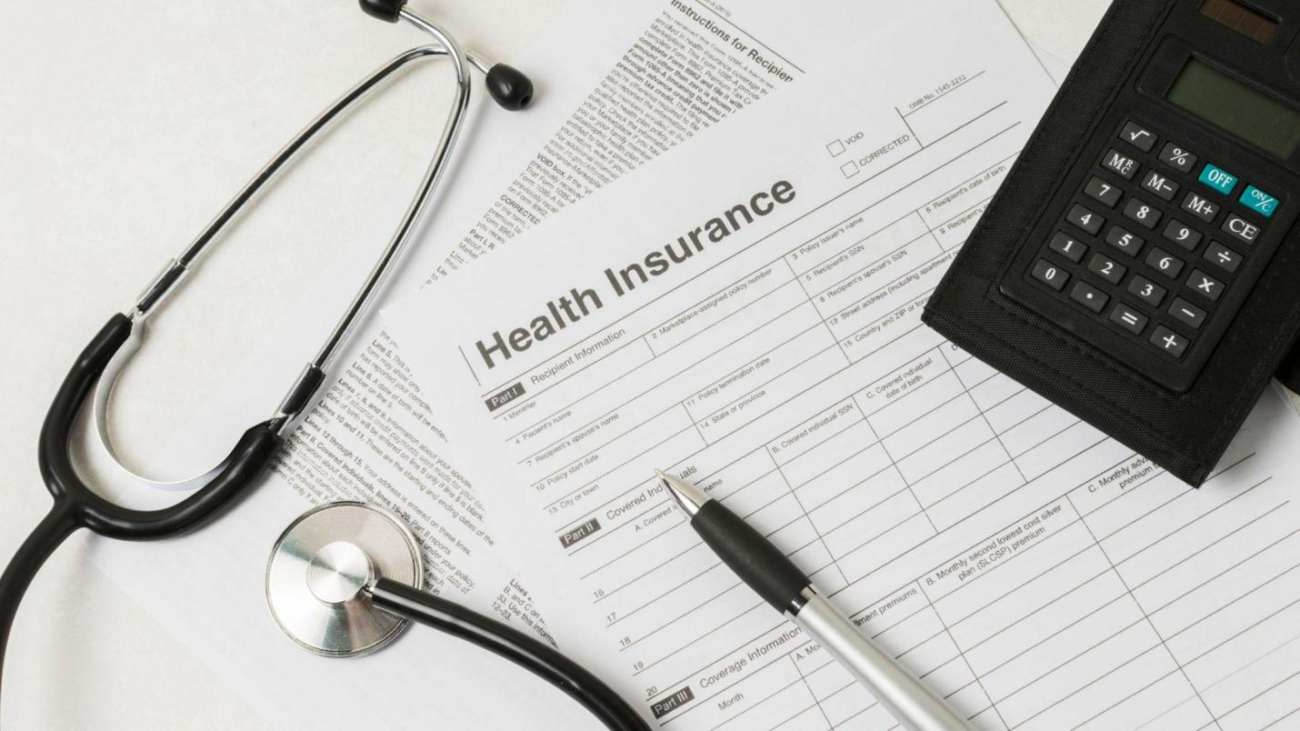
A health insurance claim is not decided only by the hospital bill. Documents show what treatment was taken, why it was needed and how the expenses were charged. Many families realise this only when the insurer asks for one more paper during claim review.
A good health insurance plan can support eligible expenses, but the claim still depends on clear and timely documentation, as per policy terms.
Policy Papers Should Be Easy to Find
A good health insurance policy document is the starting point of every claim conversation. Families should keep the policy schedule, health card, member details and insurer contact information in one place. These papers help the hospital insurance desk identify the policy and start the claim process correctly.
During planned treatment, check whether the policy is active and whether the patient’s name is properly listed. In an emergency, these details can save time because relatives may not have the patience to search old emails or files.
Identity and KYC Papers Matter
Basic identity papers help confirm the insured person’s details. The hospital or insurer may ask for identity proof, address details and other KYC-related documents. These details should match the policy records, as even a good health insurance plan may face extra queries if there are differences in name, age or spelling.
Doctor’s Advice Connects the Treatment
The doctor’s written advice explains why admission, tests or a procedure was needed. This paper connects the medical condition with the hospitalisation. It may include diagnosis, recommended treatment, admission advice, investigation suggestions or follow-up instructions. Without clear medical advice, the claim file may not show the full treatment journey.
Families should avoid depending only on verbal instructions. Written records from the doctor make the claim process easier to understand and review.
Hospital Bills Must Be Detailed
A final bill gives the total amount, but an itemised bill explains the charges. Families should ask for a detailed bill that shows room charges, doctor fees, medicines, tests, procedure charges, consumables and other billing heads. This helps the insurer assess expenses as per policy terms.
If any amount is deducted or queried, an itemised bill also helps the family understand the reason. It is better to collect the bill at discharge than to return to the hospital later.
Prescriptions and Medicine Bills Should Match
Medical bills should be supported by prescriptions wherever required. The insurer may review whether medicines, injections or treatment-related items were linked to the admitted illness or procedure. A prescription helps connect the expense with medical advice.
Families should keep pharmacy bills, medicine slips and prescription copies together. If medicines are purchased outside the hospital, the bill should show the date, patient details where available and medicine names.
Reports Support the Diagnosis
Medical reports help show the basis of treatment. Investigation reports, scans, blood tests, discharge notes and procedure reports can support the claim file. They help explain the diagnosis, treatment progress and medical requirements.
These papers should be collected before leaving the hospital. Families should also keep digital copies because printed reports may get misplaced during travel, follow-up visits or reimbursement submission.
Discharge Summary Is Very Important
The discharge summary is one of the most important claim documents. It usually contains the diagnosis, admission date, discharge date, treatment given, procedure details, medicines advised and follow-up instructions. It helps the insurer understand the hospital stay in one document.
Before leaving the hospital, families should check whether the name, dates and diagnosis are clear. Any correction should be requested immediately through the hospital desk.
Payment Proofs Complete the File
Payment receipts are important, especially in reimbursement claims. If the family has paid the hospital directly, receipts help show that the expense was settled. These may include hospital payment receipts, pharmacy receipts, diagnostic centre receipts and other related proofs.
The payment mode should be traceable where possible. Families should also keep bank details ready if the insurer asks for refund processing during reimbursement.
Claim Forms Should Be Filled Out Carefully
A claim form may look simple, but mistakes can lead to avoidable queries. The form should carry correct policy details, patient information, hospital details, treatment dates and bank information. It should be signed wherever required. Blank fields should not be left casually if they are relevant to the claim.
Families should read the form slowly before submission. For reimbursement, attach documents in an organised order so the claim reviewer can follow the treatment timeline clearly.
Final Thoughts
Documents can influence how smoothly a health insurance claim is assessed. Policy papers, identity proof, doctor’s advice, bills, prescriptions, reports, discharge summary, payment receipts and claim forms all have a role. Families should start collecting papers from the first consultation, not after discharge.
Claim approval is subject to policy terms, medical details and insurer assessment, so careful documentation is an important part of responsible health insurance planning.
