
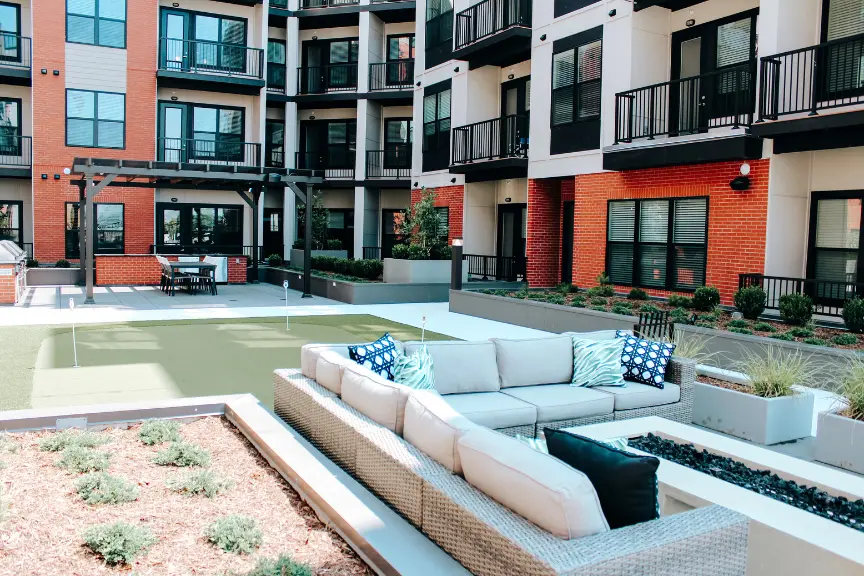
Buyers Are Looking Beyond the Home Itself
The way people evaluate residential communities has changed over the last several years. Buyers are paying closer attention to how a neighborhood supports everyday living rather than focusing only on interior features. While kitchens, floor plans, and square footage still matter, outdoor amenities now play a much larger role during the home search process.
Communities with parks, walking trails, pools, playgrounds, and recreational areas often generate greater interest because they provide opportunities for residents to stay active and socially connected. Many buyers searching for new homes want neighborhoods where outdoor activities become part of daily routines rather than occasional outings.
This shift has encouraged developers to design communities around lifestyle experiences instead of simply building rows of houses. Outdoor gathering spaces, fitness areas, and recreation facilities are now viewed as valuable components of modern residential living.
For families, retirees, and professionals alike, these amenities can influence how enjoyable and convenient a neighborhood feels once they move in.
Outdoor Spaces Encourage Active Living
Communities designed with outdoor recreation in mind often encourage residents to spend more time outside throughout the week. Walking paths, bike trails, parks, and sports courts provide convenient ways to remain physically active without traveling far from home.
Many residents appreciate having exercise opportunities located within the community itself. A nearby walking trail or recreation court may make it easier to maintain healthy habits than driving to outdoor facilities.
Pickleball courts have become one of the most requested amenities in newer communities because they appeal to people of all ages. The sport is approachable for beginners and encourages both physical activity and social interaction. Residents often gather casually for games in the mornings, evenings, and on weekends.
Pools and outdoor seating areas also create opportunities for relaxation and recreation close to home. During warmer months, these spaces often become central gathering areas where residents spend time with family and neighbors.
Communities that support outdoor activity may also feel more vibrant because residents regularly interact in shared spaces rather than staying indoors.
Recreation Amenities Create Social Connection
One reason outdoor amenities have become more valuable is their ability to encourage natural social interaction. Shared recreation spaces often help residents meet neighbors without formal introductions or organized events.
Families frequently connect at playgrounds and pools, while walking trails and sports courts create opportunities for casual conversation among residents. These interactions may strengthen neighborhood relationships and create a stronger sense of belonging within the community.
Children also benefit from neighborhoods designed around outdoor recreation. Parks, playgrounds, and bike-friendly streets encourage outdoor activity and provide opportunities for friendships to develop within the neighborhood itself.
For retirees and remote workers, recreation amenities can also support social engagement throughout the week. Access to outdoor gathering areas and community activities often helps residents remain active and connected.
Communities where residents regularly spend time outdoors may feel more welcoming because people become more familiar with their neighbors over time.
Buyers Often Prioritize Lifestyle During the Home Search
Modern homebuyers increasingly compare lifestyle amenities before making purchasing decisions. Online searches frequently include phrases related to active living, recreation, trails, pools, and outdoor community spaces.
Developers understand this shift and now place greater emphasis on creating communities that support wellness and convenience. Buyers often want neighborhoods where they can walk, exercise, relax, and socialize without leaving the community.
Outdoor amenities can also influence how buyers emotionally respond during community tours. A lively park, an active pickleball court, or a shaded walking trail may help buyers visualize their future routine within the neighborhood.
Florida communities are especially attractive for outdoor living because the climate supports recreation throughout much of the year. Buyers relocating from colder regions often prioritize communities where they can spend more time outdoors year-round.
This growing demand continues shaping how residential developments are planned and marketed.
Outdoor Living Continues to Shape Residential Development
As buyer expectations evolve, outdoor amenities remain one of the strongest influences on modern community planning. Developers are creating neighborhoods that support recreation, wellness, and social interaction alongside residential construction.
Communities offering parks, trails, sports courts, pools, and gathering spaces often appeal to buyers looking for more than a place to live. These features help create an environment where residents can enjoy a more active and connected lifestyle.
For buyers researching new homes in Parrish, FL, North River Ranch offers a community setting designed around outdoor living, recreation, and modern neighborhood experiences.
Why are outdoor amenities important in residential communities?
Outdoor amenities encourage recreation, physical activity, relaxation, and social interaction among residents.
What outdoor features do buyers look for in new home communities?
Many buyers search for trails, pools, parks, playgrounds, pickleball courts, and fitness areas when comparing neighborhoods.
Why are pickleball courts becoming common in modern communities?
Pickleball appeals to several age groups and creates opportunities for both recreation and social engagement.
Do outdoor amenities influence homebuying decisions?
Yes. Many buyers prioritize communities with recreation spaces because they support a more active and enjoyable lifestyle.
