
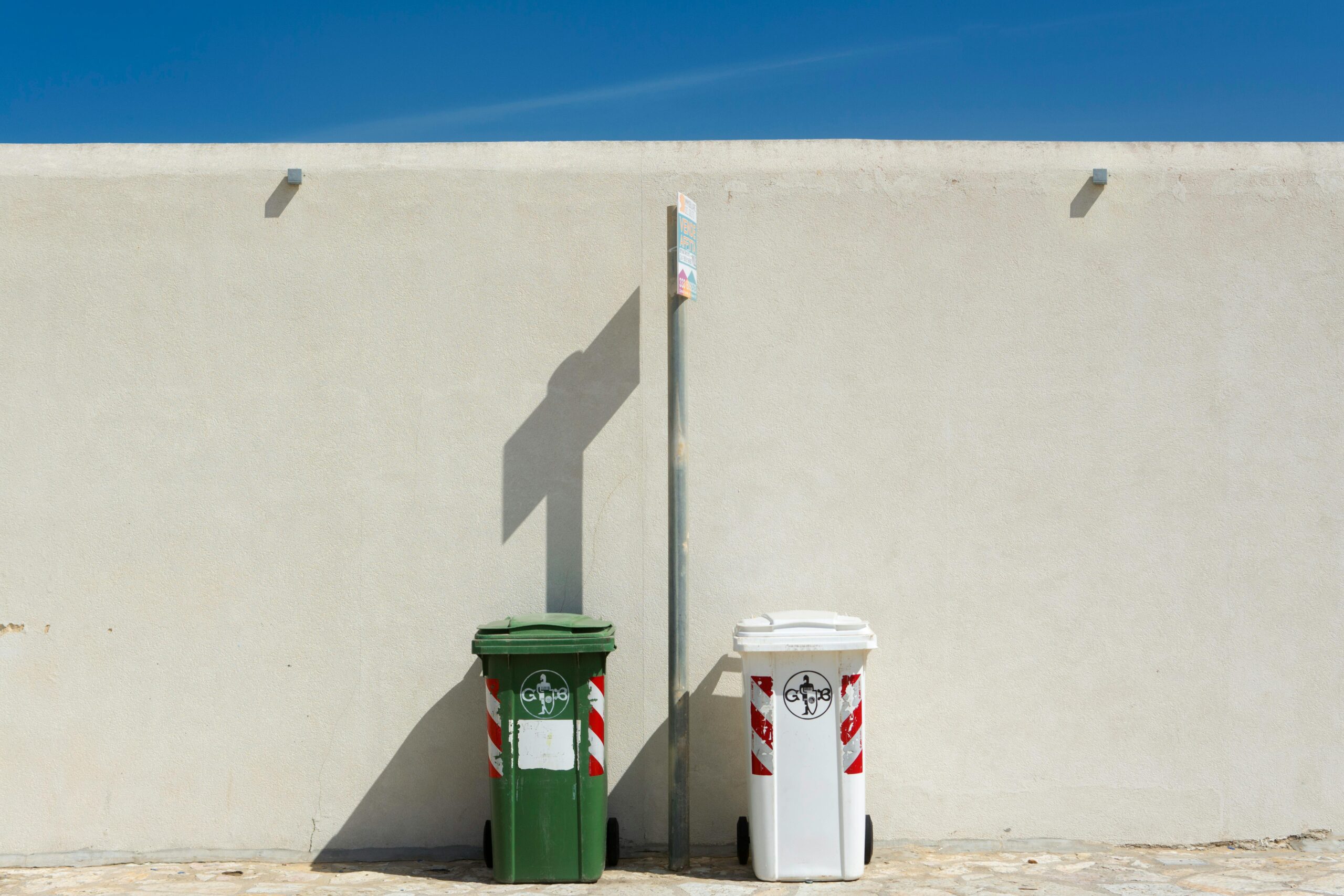
Waste moves constantly on a busy site. If the containers that hold it can’t keep up, the whole system clogs. Investing in a quality mobile 660l wheelie bin for sale solves a very specific problem: high-volume waste collection in locations that require frequent repositioning. The 660-litre wheelie bin is one of the most widely used commercial waste containers in Australia, standard across hospitality, construction, manufacturing, and events industries. Despite being everywhere, most buyers choose them without considering the operational specifics that make one bin perform significantly better than another. Let’s fix that.
What Makes a 660 Litre Bin the Right Choice for Commercial Sites?
The 660L bin sits in a productive middle ground. It’s large enough to reduce emptying frequency, but small enough to move manually without mechanical assistance. On a loading dock, event venue, or commercial kitchen, that mobility is essential.
For context, the 660L bin holds approximately 330 to 400 kilograms of standard mixed waste, depending on compaction. That’s equivalent to two to three standard 240L residential bins. One collection point instead of three means less time spent by staff managing waste.
How Does Bin Mobility Change Workflow on a Worksite?
Static waste points create inefficiency. Workers walk further to deposit waste. Bins overflow because repositioning them is inconvenient. Mixed waste streams end up in the same container because it’s the closest one.
A mobile 660L bin eliminates that friction. It goes where the work is. On a construction floor, it positions next to the active work zone and moves as the project progresses. That positioning discipline reduces contamination of recycling streams and cuts the labour involved in moving waste to a fixed point.
What Should You Look for in Bin Construction Quality?
Wheel quality is the first thing to check. Low-grade plastic wheels on a 660L bin fully loaded deform under repeated use, especially on uneven surfaces. Look for reinforced nylon or rubber-tyred wheels with sealed bearings.
Body wall thickness is the second check. Bins built for commercial use should have walls at least 6mm thick. Thinner walls crack under impact from heavy waste items and degrade faster under UV exposure, which is significant in Australian climate conditions.
How Do 660L Bins Integrate With Waste Truck Collection Systems?
Standard 660L bins in Australia are designed to integrate with side-loader and rear-loader waste trucks through a universal EN 840 lid and lifting bar specification. This means any compliant 660L bin can be collected by any compliant collection vehicle without manual handling.
The automated lift arm of a side-loader can empty a 660L bin in under 10 seconds. At scale, that efficiency compounds. A commercial precinct running 20 bins saves significant collection time compared to one using non-standard containers that require manual handling.
What Are the Hygiene Implications of Bin Selection?
Poorly sealing lids on commercial bins create pest access, odour, and contamination problems. In food service environments, this is a serious health compliance issue under the Australian Food Standards Code.
Quality 660L bins use co-moulded lid seals that maintain contact even after years of UV exposure. They also have smooth internal surfaces without internal ridges where organic waste can accumulate and become difficult to clean. That design choice has direct hygiene and compliance implications.
How Many 660L Bins Does a Site Actually Need?
A rough calculation: estimate daily waste volume, factor in collection frequency, and add 20% buffer. A restaurant producing 200kg of waste daily with twice-weekly collection needs approximately 1,200L of capacity minimum. That’s two 660L bins, with the buffer provided by not filling them completely to avoid overflow.
Sites that underestimate bin requirements create overflow situations, which trigger compliance issues and increase pest risk. Sites that over-provision waste space are also wasting money and physical space. The calculation is worth doing properly.
What Colour Coding Standards Apply to 660L Bins in Australia?
Australian waste management practice uses red for general waste, yellow for co-mingled recycling, green for organic/food waste, and blue for paper and cardboard in many jurisdictions. However, state and local council requirements vary.
Implementing the correct colour coding on a 660L bin fleet reduces cross-contamination of recyclable streams. Contaminated recycling in Australia is sent to landfill, meaning a bin colour coding error has direct environmental and financial consequences for waste costs.
What Is the Expected Lifespan of a Commercial 660L Bin?
A quality commercial 660L wheelie bin in regular use should last 8 to 12 years before significant structural degradation. Budget imports in the same service life often last 3 to 5 years, requiring replacement and disposal.
Over a 10-year period, the total cost of ownership for a quality local bin versus a budget import often favours the higher-quality product by 30 to 50%, once replacement frequency and disposal costs are factored in.
