
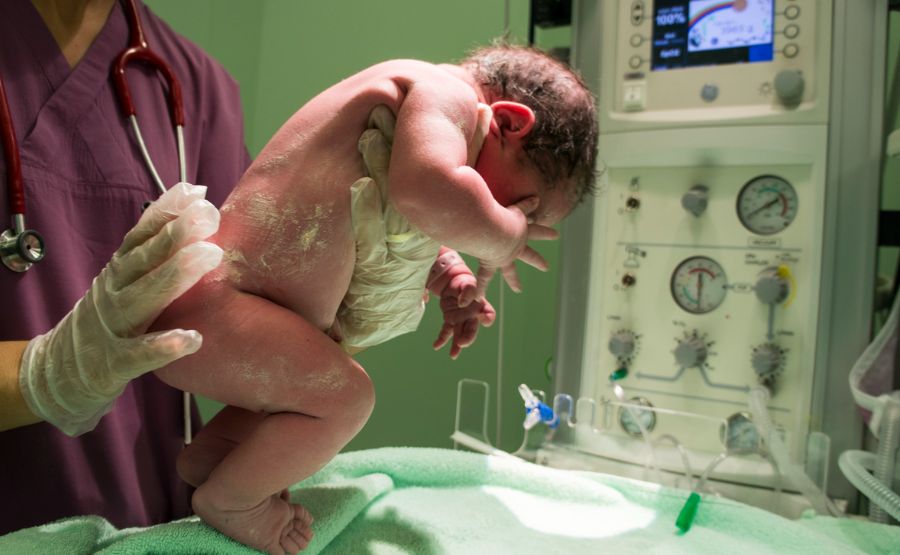
Birth injuries can happen during labor when complications arise and medical professionals fail to respond appropriately to warning signs or delivery emergencies. Birth injuries may result from oxygen deprivation, improper use of delivery tools, delayed cesarean sections, or failure to properly monitor the mother and baby during childbirth. While some complications are unavoidable, others may occur because of medical negligence. In those situations, doctors, nurses, hospitals, or other parties may be held legally responsible for the harm caused.
Understanding how these injuries happen and who may be liable can help families make informed decisions after a difficult delivery experience.
Common Causes of Birth Injuries
One of the leading causes of birth-related injuries is oxygen deprivation during labor. A baby may suffer from severe disorders like brain damage, developmental delays, or cerebral palsy if they don’t get enough oxygen, even for a short time. Medical providers are expected to closely monitor fetal distress and act quickly when problems appear.
Improper use of delivery tools can also cause injuries. Instruments like forceps and vacuum extractors are sometimes necessary during difficult deliveries, but incorrect use may result in fractures, head trauma, or nerve damage.
Another common complication is shoulder dystocia, which happens when the baby’s shoulder becomes stuck behind the mother’s pelvic bone during delivery. Excessive force used to free the baby may cause brachial plexus injuries, including Erb’s palsy.
Risk Factors During Labor
Certain medical conditions can increase the likelihood of complications during childbirth. Conditions such as preeclampsia, gestational diabetes, infections, obesity, and unusually large babies often require careful monitoring and timely medical intervention.
Delayed emergency cesarean sections are another factor linked to preventable injuries. When a baby shows signs of distress, waiting too long to perform a C-section can result in severe harm. Premature infants are also more vulnerable to physical trauma and oxygen-related complications during delivery.
In some cases, inadequate prenatal care or medication errors during pregnancy may contribute to injuries before labor even begins.
Who Can Be Held Responsible?
Several parties may potentially be held responsible for preventable birth injuries.
Doctors and Obstetricians
Doctors overseeing labor and delivery may be liable if they fail to recognize complications, misuse delivery instruments, delay treatment, or make avoidable medical errors during childbirth.
Nurses and Medical Staff
Nurses and healthcare staff also play a critical role during labor. Failure to properly monitor the patient, communicate urgent concerns, or follow medical instructions may contribute to preventable harm.
Hospitals
Hospitals can sometimes be held accountable for the actions of their employees. Poor staffing, inadequate training, or failure to follow proper safety procedures may also result in liability.
Pharmaceutical Companies
If a dangerous medication prescribed during pregnancy causes harm and adequate warnings were not provided, pharmaceutical companies or pharmacists may also share responsibility.
Conclusion
Birth injuries can have lasting effects on both children and their families, especially when preventable medical mistakes occur during labor and delivery. Although not every childbirth complication is caused by negligence, healthcare providers are expected to recognize risks and respond appropriately to emergencies. When they fail to meet accepted medical standards, families may seek accountability and financial support to help cover ongoing medical care and future needs.
Key Takeaways
- Birth injuries may result from oxygen deprivation, delayed treatment, or improper delivery techniques.
- Conditions such as preeclampsia and gestational diabetes can increase delivery risks.
- Doctors, nurses, hospitals, and pharmaceutical companies may potentially be held responsible for preventable injuries.
- Families affected by birth injuries often face long-term medical and financial challenges.
