
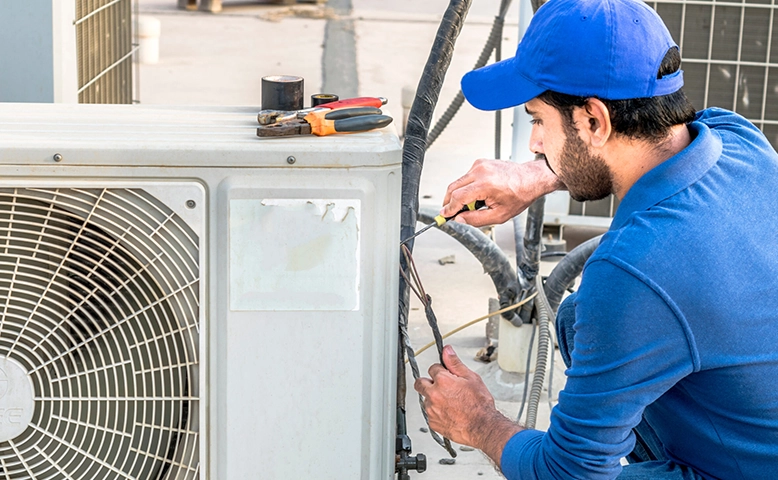
Minor HVAC issues often seem harmless at first, appearing as slight temperature changes, faint noises, or reduced airflow that many homeowners overlook. However, these early signs usually indicate developing faults in the system that can gradually worsen over time. When left unattended, what starts as a simple issue can escalate into major component failure, higher energy usage, and even full system breakdown. HVAC systems rely on interconnected parts working in balance, meaning that stress in one area can quickly affect others.
Ignoring these early warnings often leads to higher repair costs, longer downtime, and discomfort inside the home. Understanding how small problems grow into major complications helps homeowners take timely action before damage becomes severe and costly.
Hidden Costs of Minor HVAC Issues
- Small Signs That Grow Fast
One of the most overlooked aspects of HVAC systems is how quickly minor faults can expand into larger mechanical failures. A slightly dirty filter or a loose connection might seem insignificant, but over time these small issues place strain on the entire system. When airflow is restricted, the system works harder to maintain temperature, causing internal components to wear out faster than expected. This added pressure can affect the compressor, blower motor, and even the thermostat’s accuracy.
Many homeowners delay attention because the system still runs, but continued operation under stress shortens its lifespan. As wear accumulates, efficiency drops and electricity usage rises without obvious warning signs. Eventually, what could have been a simple adjustment turns into costly part replacements or system shutdowns that require extensive work to restore proper function.
- Airflow Issues and System Strain
Airflow problems are among the earliest indicators of HVAC trouble, yet they are often ignored until comfort is noticeably affected. Blocked vents, dirty ducts, or clogged filters reduce the smooth circulation of air throughout the home. This forces the HVAC system to run longer cycles to achieve the same temperature, placing unnecessary stress on internal components. Over time, restricted airflow can cause overheating in critical parts, leading to premature failure of the blower motor or compressor. In some cases, uneven air distribution can also affect indoor humidity levels, creating discomfort and the potential for mold growth in hidden areas.
Addressing airflow concerns early prevents cascading damage that can spread across multiple parts of the system. When airflow is restored quickly, the system operates more efficiently, consumes less energy, and avoids long-term damage that typically results in expensive repair work and reduced equipment lifespan.
- Electrical Imbalances and Early Warning Signs
Electrical problems in an HVAC system often develop quietly, showing early signs like occasional shutdowns, slow starts, or irregular operating cycles. Since the system may still appear to work, many homeowners overlook these warnings and assume there is no serious concern. However, hidden electrical stress can gradually affect important parts, including motors, circuit boards, and other internal controls. Issues such as damaged wiring, failing capacitors, or inconsistent power supply can reduce performance and create additional strain throughout the unit. Over time, these small electrical faults may cause major breakdowns that require costly repairs or replacements.
Many homeowners wait until the system completely stops before taking action, which often results in more extensive damage. In areas involving hvac repair frisco, professionals frequently see situations where early attention could have prevented larger system failures. Electrical concerns should be addressed promptly because they can worsen without warning, turning a minor repair into a costly problem that affects both comfort and household finances.
- Refrigerant Leaks and Efficiency Loss
Refrigerant plays a crucial role in maintaining proper cooling performance, and even a small leak can significantly reduce system efficiency. When refrigerant levels drop, the HVAC system struggles to maintain desired temperatures, leading to longer operating cycles and increased wear on internal components. This not only raises energy consumption but also places added stress on the compressor, one of the most expensive parts to replace.
Many refrigerant leaks begin as tiny pinholes or loose connections that are difficult to detect without proper inspection. Over time, these small leaks grow, causing more significant performance issues and potential environmental concerns. If ignored, the system may eventually freeze up or fail completely. Early detection and repair help preserve system efficiency, reduce energy bills, and prevent damage from spreading to other interconnected components that rely on stable refrigerant levels for proper operation.
- Thermostat Malfunctions and Miscommunication
A malfunctioning thermostat may seem like a minor inconvenience, but it can lead to major system inefficiencies if left unresolved. When a thermostat sends incorrect signals, the HVAC system may cycle too frequently or fail to activate at the right times. This miscommunication causes inconsistent temperatures and unnecessary strain on heating and cooling components. Over time, the system may wear out faster due to irregular cycling patterns that disrupt normal operation. In some cases, the thermostat issue may not even originate from the device itself but from wiring or calibration problems within the system.
Ignoring these signs can lead to higher energy costs and reduced comfort levels inside the home. A properly functioning thermostat ensures the HVAC system operates smoothly, maintaining balanced cycles and preventing unnecessary stress on mechanical parts designed for consistent, controlled operation rather than erratic performance.
- Long-Term Damage From Delayed Maintenance
Delaying maintenance is one of the most common reasons small HVAC problems turn into expensive repairs. Dust buildup, worn components, and minor leaks gradually worsen when the system is not regularly inspected. Over time, these neglected issues create a chain reaction that affects multiple parts of the system. A dirty coil can reduce heat transfer efficiency, leading to compressor overload. Similarly, small mechanical wear can eventually cause complete part failure if not addressed early. The longer maintenance is postponed, the more extensive and costly the repairs become.
Preventive attention helps identify weak points before they develop into serious failures, extending system lifespan and improving reliability. Regular care ensures that small issues are corrected before they spread, allowing the HVAC system to operate efficiently and preventing unexpected breakdowns that disrupt comfort and significantly increase long-term repair costs.
Small HVAC problems should never be ignored because they often indicate deeper issues developing within the system. When addressed early, these minor concerns are usually simple and affordable to fix, preventing them from escalating into major repairs. However, when left unattended, they can spread across multiple components, leading to reduced efficiency, higher energy bills, and unexpected system failures. Regular attention to airflow, electrical stability, refrigerant levels, and thermostat performance helps maintain smooth operation and extends system lifespan.
Homeowners who respond quickly to early warning signs reduce long-term costs and avoid unnecessary disruptions. Proper care ensures the HVAC system continues to function reliably, providing consistent comfort while minimizing the risk of expensive breakdowns in the future.
