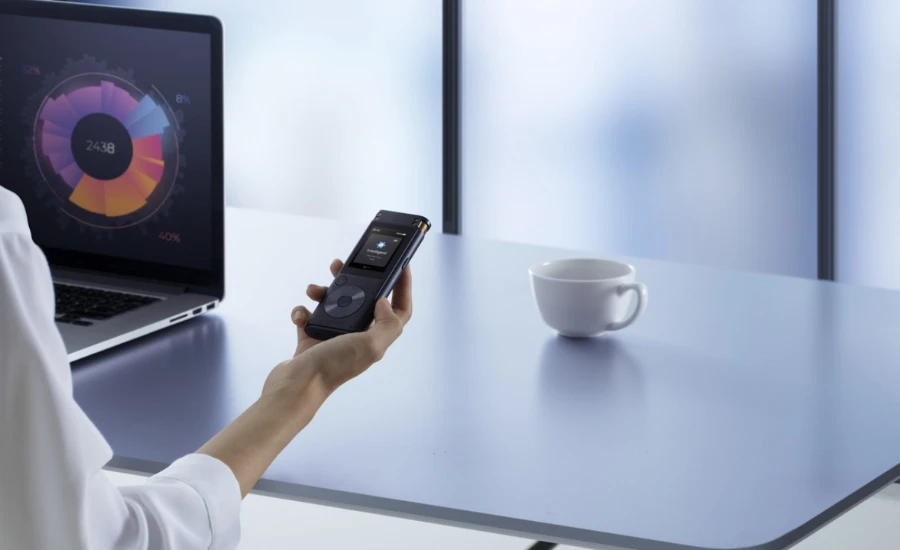
Studying efficiently is not only about spending more hours with textbooks. Students also need better ways to capture lectures, review key points, and turn scattered information into usable study materials. An iFLYTEK smart recorder can help students record important class content, organize audio notes, and review lessons more effectively after class.
As a brand focused on AI speech recognition and productivity tools, iFLYTEK offers smart recording solutions that support students in lectures, seminars, group discussions, and self-study sessions. Instead of relying only on handwritten notes or memory, students can keep a clearer record of what was said and use AI-supported features to make review less time-consuming.
Lecture Recording Becomes More Useful When Notes Are Easy to Review
Lectures often move faster than students can write. A professor may explain a difficult concept, give an example, mention an exam point, and move to the next topic within minutes. When students try to capture everything by hand, they may miss important details or lose focus on the explanation itself.
A smart recorder helps solve this problem by allowing students to record the full lecture while still taking selective notes. Instead of writing every sentence, they can focus on understanding the topic and mark important points for later review. This creates a better balance between listening and note taking.
Lecture recording becomes especially useful when the audio is easy to revisit. Students can go back to confusing sections, replay explanations, and confirm details they may have missed in class. For courses with complex theories, formulas, terminology, or case studies, this can make study sessions more accurate and less stressful.
Turning Class Audio into Searchable Study Materials
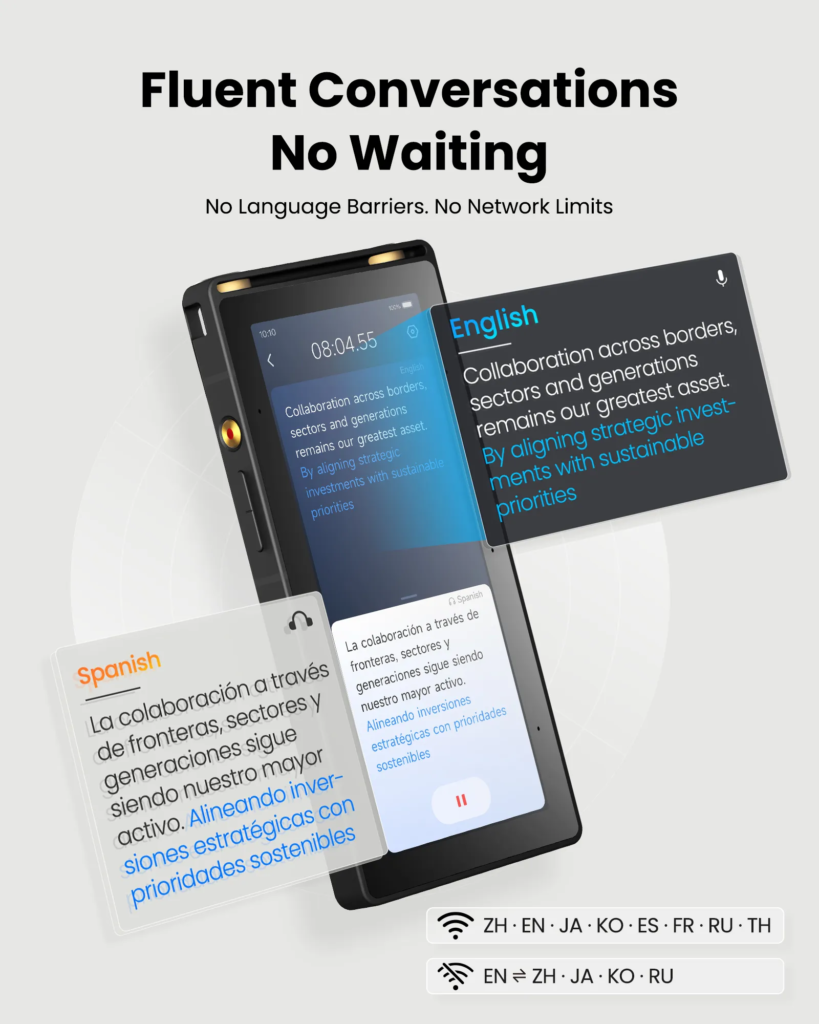
Raw audio is helpful, but it can become difficult to manage if students record many lectures every week. Without organization, long recordings may be just as hard to review as messy notes. This is where AI-supported transcription and search functions become valuable.
When class audio can be converted into text, students can search for specific keywords, topics, names, or concepts. This makes it easier to find the exact part of a lecture they need, instead of listening from the beginning. A student preparing for a biology exam, for example, can search for a key term and quickly return to the related explanation.
Searchable study materials also help students connect information across different classes. Notes from lectures, discussions, and review sessions can be organized by subject or topic. Over time, recordings become more than stored audio. They become a structured study resource that students can use repeatedly.
AI Summaries Help Students Focus on Key Knowledge Points
Long lectures often include examples, side explanations, questions, and repeated points. While all of this may be useful in context, students usually need a clearer summary when reviewing before exams or completing assignments.
AI summaries can help students identify the main ideas faster. Instead of listening to an entire recording again, they can review a shorter summary that highlights key knowledge points, important arguments, and possible action items. This saves time, especially during busy exam periods.
For students who struggle with information overload, summaries can also make study planning easier. They can quickly see which parts of a lecture they understand and which sections need more attention. This helps them study with more direction instead of reviewing everything at the same level of detail.
Better Review Habits Start with Organized Recordings and Notes
Good study habits depend on consistency. Recording lectures is only useful when students organize and review the content regularly. A smart recorder can support this process by helping students keep audio files, transcriptions, and summaries in a more manageable structure.
After class, students can review the recording, check unclear points, and add their own notes. They can group recordings by course, date, topic, or exam unit. This makes it easier to build a complete study archive over the semester.
Organized recordings are also helpful for group projects and seminars. Students can record discussions, review assigned responsibilities, and confirm what was agreed. This reduces confusion and makes collaboration more efficient, especially when group members are working on different schedules.
Preparing for Exams with Clearer, More Efficient Study Records
Exam preparation becomes easier when students have reliable study records. Instead of depending only on memory or incomplete notes, they can return to lecture recordings, review transcriptions, and use summaries to refresh important concepts.
A smart recorder can help students prepare more strategically. They can identify repeated topics, review professor explanations, and focus on areas that are likely to matter most. For subjects that require accurate terminology or detailed reasoning, listening again can also improve understanding.
The main value is not simply recording more content. It is making study materials easier to review, search, and use. With clearer records and AI-assisted organization, students can reduce wasted review time and build a more efficient study routine. For lectures, seminars, exam preparation, and group work, a smart recorder can become a practical tool for improving daily learning efficiency.
