
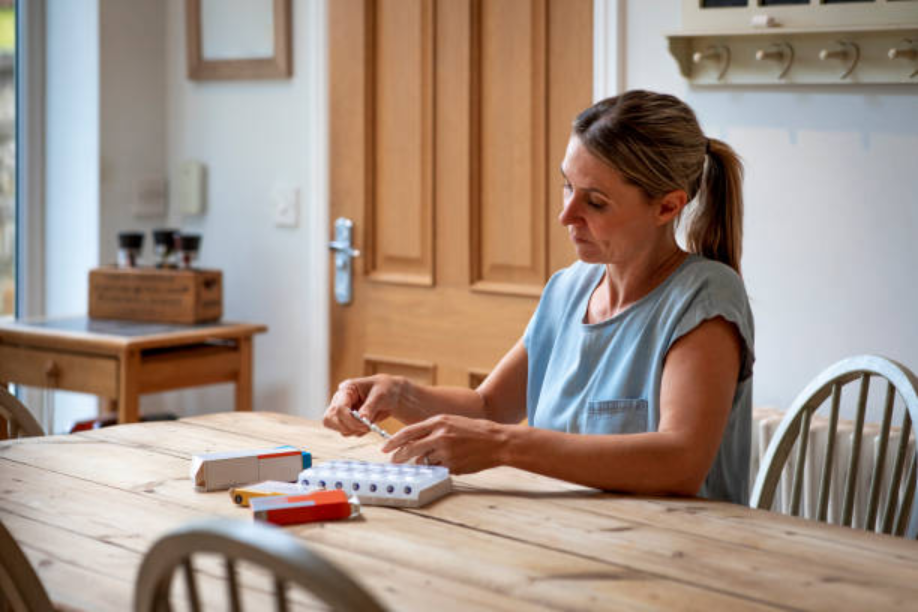
Managing health conditions at home has become increasingly important as more individuals prefer receiving care in familiar surroundings. One of the most critical aspects of home-based healthcare is medication management, which ensures that patients take the right medicines at the right time, in the correct dosage, and under proper supervision. When done correctly, it significantly improves health outcomes, reduces hospital visits, and enhances overall quality of life.
For seniors, individuals with chronic illnesses, and those recovering from surgery, medication routines can become complex and overwhelming. This is where structured home care support plays a vital role in ensuring safety, consistency, and peace of mind for both patients and families.
What Is Medication Management in Home Care?
Medication management refers to the organized process of prescribing, administering, monitoring, and tracking medications to ensure they are used safely and effectively. In a home care setting, it involves trained caregivers or healthcare professionals assisting patients with their daily medication routines.
It includes:
- Ensuring medications are taken on time
- Following correct dosage instructions
- Monitoring for side effects or reactions
- Preventing missed or double doses
- Coordinating with doctors and pharmacists
This structured approach helps reduce medical errors and supports better long-term health outcomes.
Why Medication Management Is So Important
Proper medication use is essential for treating chronic conditions such as diabetes, heart disease, hypertension, and respiratory illnesses. However, managing multiple prescriptions can be challenging, especially for elderly patients.
Effective medication management is important because it:
- Prevents harmful drug interactions
- Improves treatment effectiveness
- Reduces emergency hospital visits
- Enhances patient safety
- Supports long-term disease control
Without proper management, even minor mistakes in medication can lead to serious health complications.
Common Challenges in Managing Medications at Home
Many patients and families struggle with medication routines due to various reasons. Understanding these challenges helps highlight why professional support is necessary.
Some common issues include:
- Forgetting doses or taking them at the wrong time
- Confusion due to multiple prescriptions
- Difficulty reading labels or instructions
- Side effects not being properly monitored
- Lack of coordination between multiple doctors
These challenges can significantly affect treatment outcomes if not addressed properly through structured care support.
Role of Caregivers in Medication Management
Caregivers play a crucial role in ensuring safe and effective medication management at home. Their responsibilities go beyond simply reminding patients to take their medicines.
They help by:
- Organizing medications in daily or weekly pill boxes
- Setting reminders for timely intake
- Observing and recording any side effects
- Ensuring prescriptions are refilled on time
- Communicating changes to healthcare providers
This level of support ensures that patients remain consistent with their treatment plans and avoid unnecessary health risks.
Benefits of Medication Management in Home Care
Proper medication support at home offers several benefits that directly improve a patient’s health and lifestyle.
1. Improved Safety
Caregivers ensure that medications are taken correctly, reducing the risk of overdose, missed doses, or harmful combinations.
2. Better Treatment Results
When medications are taken as prescribed, treatments work more effectively, leading to faster recovery and better disease control.
3. Reduced Hospital Visits
Consistent medication management helps prevent complications that often lead to emergency hospital admissions.
4. Increased Independence
Patients can remain in their homes comfortably while still receiving professional support for their medical needs.
5. Peace of Mind for Families
Family members feel more confident knowing that their loved ones are receiving proper care and supervision.
Medication Management for Seniors
Older adults often face multiple health conditions that require different medications. This increases the risk of confusion and errors.
In senior care, medication management becomes especially important because:
- Memory issues may lead to missed doses
- Physical limitations can make handling medicines difficult
- Multiple prescriptions increase complexity
- Side effects may be harder to recognize
Caregivers provide essential assistance by simplifying routines and ensuring safety at every step.
Technology in Modern Medication Management
Advancements in healthcare technology have made medication management more efficient and reliable in home care settings.
Some useful tools include:
- Digital medication reminders and apps
- Automated pill dispensers
- Electronic health records for tracking prescriptions
- Telehealth consultations with doctors
- Smart alerts for refill schedules
These technologies help reduce human error and improve communication between patients, caregivers, and healthcare providers.
Preventing Medication Errors at Home
Medication errors can have serious consequences, especially for individuals with chronic illnesses. Home care services focus heavily on preventing these risks.
Strategies include:
- Double-checking prescriptions before administration
- Maintaining updated medication lists
- Avoiding mixing over-the-counter drugs without approval
- Monitoring patient responses after each dose
- Educating patients and families about each medication
A structured system of medication management significantly reduces the likelihood of mistakes.
Importance of Communication in Medication Management
Clear communication between doctors, caregivers, and family members is essential for effective treatment. Miscommunication can lead to incorrect dosages or missed updates in prescriptions.
Good communication ensures:
- Accurate understanding of prescriptions
- Timely updates on medication changes
- Immediate reporting of side effects
- Coordinated care across multiple healthcare providers
This collaborative approach strengthens overall patient safety and treatment success.
Medication Management for Chronic Conditions
Patients with long-term illnesses require ongoing treatment and monitoring. Conditions such as diabetes, hypertension, and heart disease rely heavily on consistent medication use.
Effective medication management helps:
- Maintain stable health conditions
- Prevent sudden health deterioration
- Control symptoms effectively
- Improve long-term quality of life
Without proper management, chronic conditions can worsen quickly and lead to serious complications.
Emotional Impact of Proper Medication Support
Beyond physical health, medication routines also affect emotional well-being. Patients often feel stressed or anxious when managing complex prescriptions on their own.
Home-based support helps by:
- Reducing confusion and stress
- Providing reassurance and guidance
- Building confidence in daily routines
- Offering companionship and emotional support
This emotional stability plays an important role in overall healing and comfort.
Family Involvement in Medication Care
Families are often closely involved in home care, especially when caring for elderly relatives. However, managing medications without professional help can be overwhelming.
Caregivers help families by:
- Explaining medication schedules clearly
- Training family members on proper administration
- Providing regular updates on patient health
- Sharing responsibilities to reduce caregiver burden
This teamwork approach ensures better outcomes and reduces stress for everyone involved.
When Professional Medication Management Is Needed
Not all situations require professional help, but certain conditions make it essential.
Professional medication management is recommended when:
- Patients are taking multiple medications
- Memory or cognitive issues are present
- Chronic illnesses require strict monitoring
- Side effects need close observation
- Family caregivers need additional support
In these cases, expert assistance ensures safety and consistency.
Choosing the Right Home Care Support
Selecting a reliable home care provider is essential for effective medication management. The right team should offer trained caregivers, structured care plans, and strong communication with healthcare professionals.
A trusted provider like You’re First Home Care ensures that patients receive consistent, compassionate, and professional support tailored to their needs.
Key qualities to look for include:
- Experienced caregivers
- Strong medical coordination
- Personalized care plans
- Emergency support availability
- Reliable communication systems
Final Thoughts
Effective medication management is one of the most important components of home healthcare. It ensures that patients receive the right treatment at the right time, reducing risks and improving overall health outcomes.
With proper caregiver support, advanced tools, and structured routines, patients can safely manage their medications while remaining in the comfort of their homes. This not only improves physical health but also enhances emotional well-being and independence.
As home care continues to evolve, medication management will remain a central pillar in delivering safe, effective, and patient-focused healthcare.
