
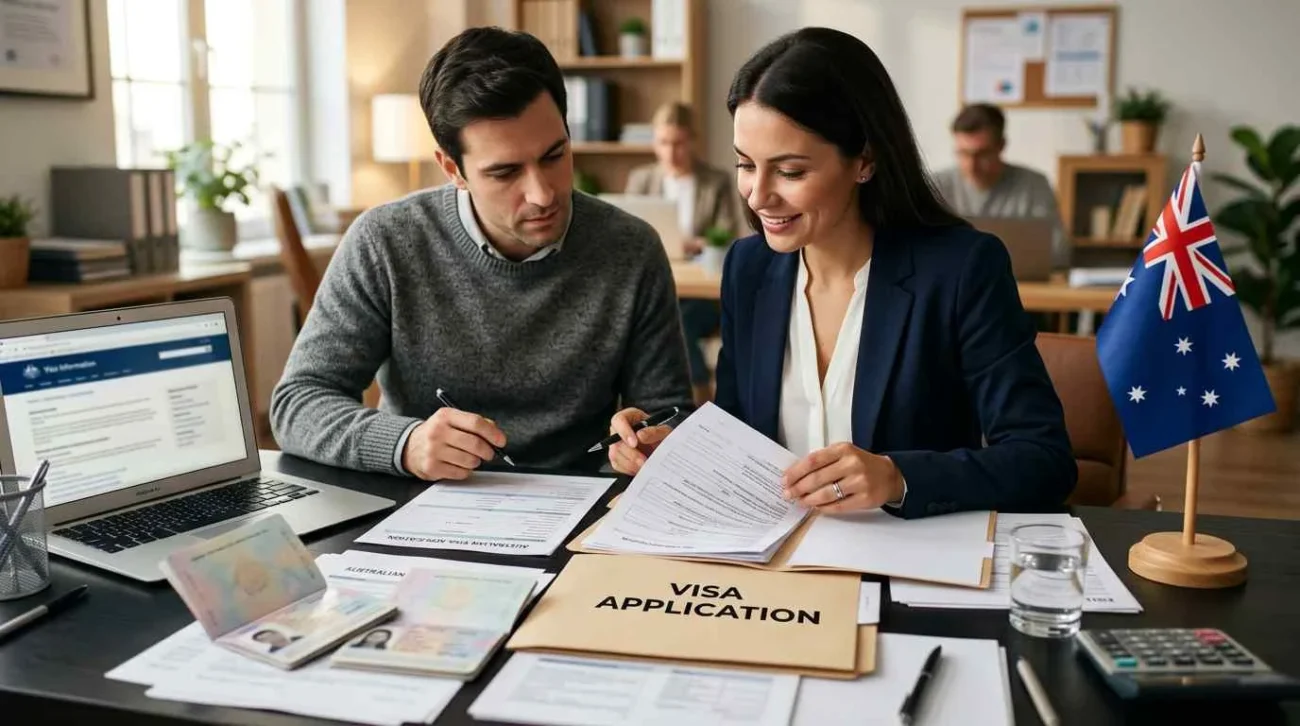
For couples separated by international borders, the Australian partner visa system offers a clear pathway to living together in Australia. But the process is detailed, the evidentiary requirements are substantial, and the timeline is often longer than applicants expect. Getting the application right from the outset matters. Many couples work with experienced migration professionals such as One Planet Migration Law to make sure nothing is overlooked.
Partner Visa Categories
Australia offers several partner visa types depending on the nature of the relationship and the applicant’s location when applying.
Onshore Partner Visa (Subclass 820/801)
For applicants already in Australia, the Subclass 820 is lodged onshore. It is a temporary visa granted initially and transitions to the permanent Subclass 801 after a waiting period, typically two years from the original application date. Applicants can live and work in Australia throughout the process.
Offshore Partner Visa (Subclass 309/100)
Designed for applicants outside Australia, the Subclass 309 is a temporary visa granted first. After the required period has elapsed and the relationship remains genuine and ongoing, the permanent Subclass 100 is granted. Processing occurs offshore initially.
Prospective Marriage Visa (Subclass 300)
This visa is for overseas applicants who intend to marry an Australian citizen, permanent resident, or eligible New Zealand citizen before applying for a partner visa. It allows the applicant to travel to Australia to marry within nine months of visa grant. Following the wedding, the couple can then apply for a partner visa onshore.
What You Need to Prove
The central requirement of any partner visa application is demonstrating that your relationship is genuine and ongoing. The Department of Home Affairs assesses this across four categories of evidence.
Financial Aspects
This includes evidence of combined finances such as joint bank accounts, shared financial responsibilities, property owned together, or financial interdependence in any other measurable way.
Nature of the Household
Evidence of a shared living arrangement, including shared leases or mortgage documents, utility bills, or statutory declarations from people who can confirm the living situation.
Social Context
Evidence that the relationship is recognised socially. This includes photos together at events and in everyday life, social media or correspondence showing the relationship publicly, and invitations or attendance at significant occasions as a couple.
Commitment
Evidence of the couple’s mutual commitment to a shared future. This can include communication records, travel history together, knowledge of each other’s personal circumstances, and plans for the future.
The Two-Stage Process
Most partner visa applicants experience a two-stage assessment. The temporary visa is granted first after initial checks, and the permanent visa is assessed later, usually around the two-year mark from the date of application. At that point, you will be asked to confirm the relationship is still ongoing.
If the relationship has ended due to family violence or the death of the sponsor, there are specific provisions that may still allow a permanent visa to be granted. These are complex situations that benefit greatly from legal advice.
Common Mistakes That Lead to Refusals
Partner visa refusals are more common than many applicants realise. Typical reasons include:
- Thin or unbalanced evidence across the four assessment categories
- Inconsistencies between what the applicant and sponsor each say in their statements
- A lack of financial evidence, particularly if the couple have separate finances
- Statutory declarations from friends and family that are vague or repetitive
- Failure to respond to requests for additional information within the specified timeframe
What Migration Lawyers Can Do
A migration lawyer brings more than form-filling assistance to a partner visa application. They help you identify gaps in your evidence before submission, ensure your statements are consistent and compelling, advise on complex relationship situations, and represent you in the event of a refusal or review. One Planet Migration Law provides tailored support throughout the partner visa process, from initial eligibility assessment through to permanent residence.
Final Thoughts
Partner visas require patience and thorough preparation. The process is long, but it is manageable when approached with a clear understanding of what is required and a commitment to presenting the relationship honestly and comprehensively.
