
Introduction
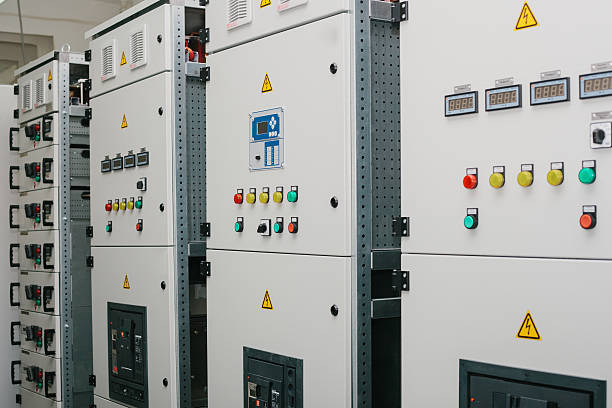
Modern electrical systems demand more than just power distribution—they require precision, safety, monitoring, and intelligent control. As buildings, industries, and infrastructure become more dependent on electricity, the need for advanced control systems has increased significantly. One of the most important solutions in this space is the smart low voltage switchboard, designed to provide enhanced electrical control with improved safety, efficiency, and automation.
Unlike traditional switchboards that only distribute power, smart low voltage switchboards integrate digital technologies, monitoring systems, and intelligent protection mechanisms. This allows operators to manage electrical loads more efficiently, detect faults faster, and optimize energy consumption in real time.
Understanding Smart Low Voltage Switchboards
What Is a Low Voltage Switchboard?
A low voltage switchboard is an electrical panel that distributes electricity at voltages typically below 1,000 volts. It is used in residential complexes, commercial buildings, and industrial facilities to control and distribute electrical power safely.
Its primary functions include:
- Power distribution across multiple circuits
- Protection against overloads and short circuits
- Isolation of electrical faults
- Control of connected electrical loads
What Makes It “Smart”?
A smart low voltage switchboard goes beyond basic distribution by integrating digital intelligence. It includes features such as:
- Real-time energy monitoring
- Remote control and automation
- Fault detection and alerts
- Load balancing optimization
This transformation makes electrical systems more efficient, responsive, and safer.
Key Features of Smart Low Voltage Switchboards
Advanced Monitoring Systems
One of the most important features is real-time monitoring. Smart switchboards can track:
- Voltage levels
- Current consumption
- Power factor
- Energy usage patterns
This data helps operators understand how electricity is being used and identify inefficiencies.
Automated Control Functions
Automation is a core advantage of smart systems. These switchboards can:
- Automatically switch circuits on or off
- Balance electrical loads across phases
- Respond to overload conditions instantly
- Optimize energy distribution without manual intervention
This reduces human error and improves system reliability.
Integrated Protection Mechanisms
Safety is enhanced through advanced protection systems such as:
- Overload protection
- Short circuit detection
- Surge protection
- Earth leakage monitoring
These features ensure equipment safety and reduce the risk of electrical hazards.
Applications of Smart Low Voltage Switchboards
Commercial Buildings
In commercial spaces such as offices, malls, and hotels, smart switchboards help manage:
- Lighting systems
- HVAC systems
- Elevators and escalators
- Security and surveillance systems
They ensure smooth operation while optimizing energy usage.
Residential Complexes
Modern housing societies and apartment buildings use smart switchboards for:
- Centralized power distribution
- Energy monitoring per unit
- Safety protection systems
- Load management during peak hours
This improves both safety and energy efficiency for residents.
Industrial Facilities
In industrial environments, smart switchboards are essential for:
- Machinery control
- Production line power management
- Motor control systems
- Equipment protection and monitoring
They help maintain productivity while minimizing downtime.
Benefits of Smart Low Voltage Switchboards
Improved Energy Efficiency
One of the biggest advantages is optimized energy usage. By monitoring consumption patterns, these systems help:
- Reduce unnecessary energy waste
- Improve load distribution
- Lower electricity costs
Enhanced Safety and Reliability
Smart switchboards provide continuous protection through:
- Instant fault detection
- Automated shutdown during emergencies
- Continuous system diagnostics
This ensures safer operation in all environments.
Remote Access and Control
Many smart systems allow remote operation via digital platforms, enabling:
- Real-time monitoring from mobile or computer
- Remote switching of circuits
- Instant alerts for system faults
This is especially useful for large facilities and industrial plants.
Predictive Maintenance
Instead of waiting for failures, smart systems analyze performance data to:
- Detect early signs of faults
- Schedule maintenance proactively
- Reduce unexpected downtime
This improves system lifespan and reliability.
Design and Engineering Aspects
Modular Architecture
Smart low voltage switchboards are built using modular designs, allowing:
- Easy expansion of circuits
- Flexible configuration
- Simplified maintenance and upgrades
This makes them suitable for growing infrastructure needs.
Compact and Efficient Layout
Despite advanced features, modern switchboards are designed to be:
- Space-saving
- Organized for easy access
- Suitable for indoor installations
This is important in urban buildings where space is limited.
Digital Integration Systems
These switchboards are often integrated with:
- Building management systems (BMS)
- Energy management systems (EMS)
- IoT-based monitoring platforms
This enables centralized control of electrical infrastructure.
Installation and Maintenance Guidelines
Proper Installation Practices
To ensure safe and efficient operation:
- Install in dry, ventilated environments
- Ensure proper grounding and earthing
- Follow manufacturer wiring standards
- Use certified electrical professionals
Correct installation is essential for system performance.
Routine Maintenance Requirements
Regular maintenance includes:
- Checking circuit breakers and connections
- Cleaning internal components
- Monitoring system performance logs
- Testing safety mechanisms
This ensures long-term reliability.
System Updates and Calibration
Smart systems may require periodic:
- Software updates
- Sensor calibration
- System diagnostics
This keeps the system accurate and efficient.
Challenges in Implementation
Initial Cost Considerations
Smart switchboards can have higher upfront costs due to:
- Advanced technology integration
- Monitoring and automation systems
- Installation complexity
However, long-term savings often outweigh initial investment.
Technical Complexity
These systems require skilled professionals for:
- Installation
- Configuration
- Maintenance
Proper training is essential for effective operation.
Cybersecurity Concerns
Since many systems are digitally connected, cybersecurity becomes important to prevent:
- Unauthorized access
- Data breaches
- System manipulation
Proper security protocols must be implemented.
Future Trends in Smart Switchboard Technology
Integration with Smart Grids
Future systems will connect directly with smart grids, enabling:
- Real-time energy distribution optimization
- Demand-response management
- Better grid stability
Artificial Intelligence Integration
AI will enhance switchboards by enabling:
- Predictive fault detection
- Automated energy optimization
- Intelligent load forecasting
Expansion of IoT Connectivity
IoT will allow deeper integration with:
- Smart homes
- Industrial automation systems
- City-wide energy networks
This will improve overall energy management efficiency.
Conclusion
A smart low voltage switchboard represents the future of electrical control systems. By combining traditional power distribution with digital intelligence, automation, and real-time monitoring, it significantly enhances safety, efficiency, and operational control.
From residential buildings to industrial facilities, these systems provide smarter energy management and improved reliability. As technology continues to evolve, smart switchboards will play a central role in building efficient, connected, and sustainable electrical infrastructure for modern society.
