
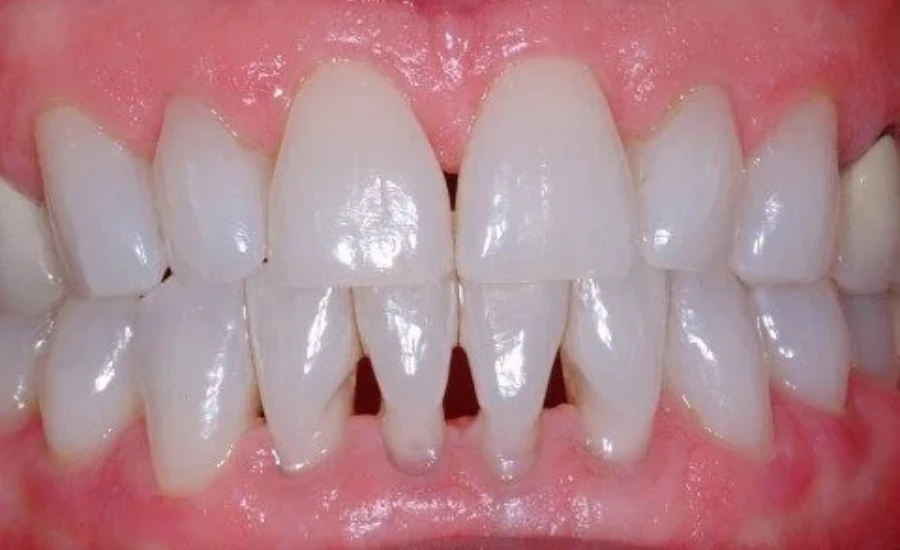
Dental bonding has a lot going for it. It is quick, affordable, minimally invasive, and can make a noticeable difference to the appearance of a smile in a single appointment. For many patients it is an excellent choice. But like any dental treatment, it comes with limitations, and going in with a clear and realistic picture of what to expect will help you get a better outcome and avoid disappointment down the track. Here is an honest look at the potential problems with dental bonding and what you can do to manage them.
What Is Dental Bonding?
Dental bonding involves applying a tooth-colored composite resin directly to the surface of a tooth, shaping it to correct an imperfection, and then hardening it with a curing light. It is commonly used to repair chipped or cracked teeth, close small gaps, cover staining, and restore teeth affected by minor decay. Its popularity comes from the fact that it is fast, non-invasive, and considerably more affordable than alternatives like porcelain veneers or crowns. Understanding its limitations is just as important as appreciating its benefits.
Dental Bonding Is Not as Strong as Other Restorations
One of the most important things to understand about dental bonding is that composite resin is not as strong as porcelain or the materials used in dental crowns. While it is durable enough for everyday use in the right circumstances, it is more vulnerable to chipping and cracking under pressure than other restorations.
Patients who grind or clench their teeth put significantly more stress on bonded areas than the average person, which can shorten the lifespan of the bonding considerably. The position of the bonding on the tooth also matters. Bonding applied to front teeth that do not take the full force of chewing tends to last longer than bonding placed on teeth that bear greater biting loads. If you have a heavy bite or a history of grinding, your dentist may recommend an alternative treatment or a night guard to protect the bonding.
Chipping and Breaking of the Bonded Material
Chipping is one of the most commonly reported problems with dental bonding. The composite resin can chip or crack if it is subjected to forces it was not designed to handle. Common culprits include biting nails, chewing on pens or ice, eating particularly hard or crunchy foods, and using the teeth to open packaging or bottles.
A chipped bond should be addressed promptly. Depending on the size and location of the chip, your dentist may be able to repair it relatively easily, though in some cases the bonding may need to be replaced entirely. The good news is that most of the habits that lead to chipping are avoidable with a bit of awareness. Making a conscious effort to stop using your teeth as tools and being mindful of hard foods can go a long way toward protecting the bonding over time.
Staining and Discoloration Over Time
Composite resin is more porous than porcelain, which means it is more susceptible to picking up stains from food, drinks, and lifestyle habits. For a more detailed look at what dental bonding involves and how to care for it effectively, understanding the staining risk upfront helps patients make smarter choices about how to maintain their result.
Coffee, tea, red wine, tomato-based sauces, and other strongly pigmented foods and drinks are the most common causes of discoloration in bonded teeth. Smoking and tobacco use accelerate staining significantly. Over time, bonded teeth can begin to look slightly yellowed or dull compared to surrounding natural teeth, which affects the overall appearance of the smile.
An important point that many patients are not aware of is that composite resin cannot be whitened. If you apply a teeth whitening treatment after bonding, the natural teeth will lighten but the bonded area will stay the same, creating an uneven appearance. For this reason, dentists typically recommend whitening your teeth to your desired shade before undergoing bonding, so that the resin can be matched to the brighter color. Rinsing the mouth after consuming staining foods and drinks, maintaining a good brushing routine, and attending regular professional cleans can all help slow down the rate of discoloration.
Bonding Does Not Last Forever
Dental bonding is not a permanent solution. With proper care it typically lasts between 5 and 10 years, though this varies depending on the location of the bonding, the forces it is exposed to, and how well it is maintained. Bonding on back teeth that bear greater chewing loads tends to wear faster than bonding on front teeth.
Over time the resin can become worn, discolored, or begin to separate from the tooth surface. When this happens, the bonding will need to be repaired or replaced. The replacement process is straightforward, and in most cases the tooth underneath will be in good condition. Attending regular dental checkups allows your dentist to monitor the condition of the bonding and address any issues before they become more significant problems.
Fit and Appearance Issues
If bonding is not shaped and polished with care, it can affect the way the teeth come together when biting. An uneven bite after bonding is uncomfortable and should be reported to the dentist promptly so that a small adjustment can be made. This is usually a quick fix, but it is important not to leave it unaddressed as it can lead to jaw discomfort over time.
The appearance of bonding can also shift slightly as the resin ages. Natural teeth change color gradually over the years, while the resin remains static, which can create a subtle mismatch over time. The skill and experience of the dentist performing the bonding plays a significant role in how natural the result looks initially and how well it holds up aesthetically over time. Choosing a dentist with experience in cosmetic bonding is one of the most important decisions you can make before proceeding with treatment.
Bonding Is Not Suitable for All Situations
Dental bonding works well for minor cosmetic concerns but it is not the right solution for every situation. Large chips, severe structural damage, or significant tooth discoloration that runs deep into the tooth may be better addressed with porcelain veneers or a dental crown. Patients with very little remaining tooth structure may also not be good candidates, as the bonding needs a sufficient surface to adhere to.
The size and location of the repair matters considerably. A small chip on a front tooth is an ideal candidate for bonding. A tooth that has lost a large portion of its structure or is under significant biting pressure may need a more robust restoration. A thorough assessment by your dentist before committing to bonding ensures you are choosing the treatment that will deliver the best long-term result for your specific situation.
Wrapping Up
The problems associated with dental bonding are real but manageable. Choosing an experienced cosmetic dentist, avoiding habits that stress the bonded area, maintaining a consistent oral hygiene routine, and attending regular checkups all play a significant role in how long and how well your bonding holds up. Being honest with your dentist about your habits, your bite, and your expectations before treatment allows them to advise you on whether bonding is the right fit or whether an alternative might serve you better in the long run.
Dental bonding is a genuinely useful treatment when it is matched to the right situation and cared for properly. Understanding the limitations before you commit means fewer surprises and a result you can feel confident about.
Keep creating, innovating, and inspiring with Content Ideators every day.
