
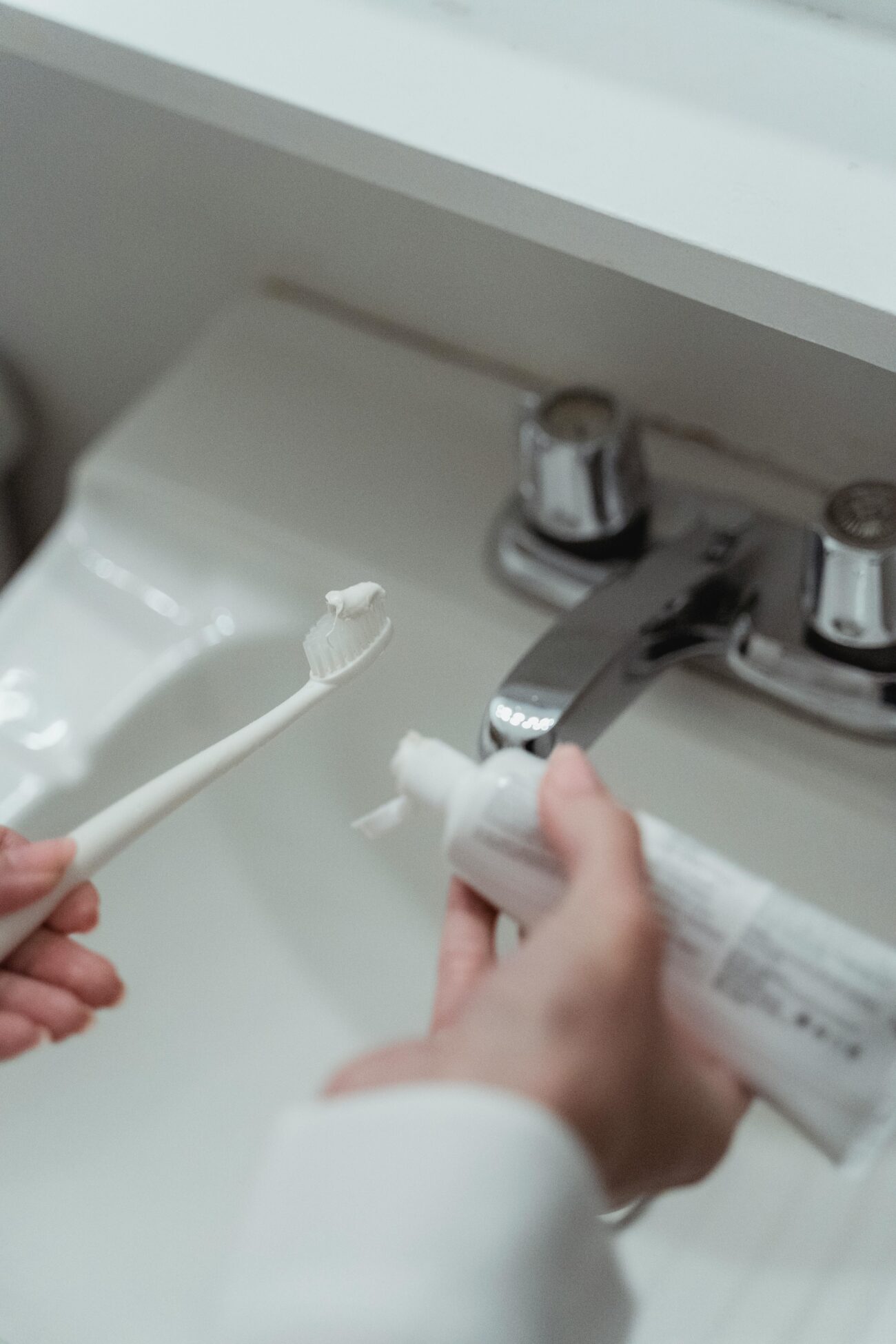
Skipping the dentist is one of those habits people justify until they can’t anymore. One missed check-up turns into two, and suddenly there’s a root canal on the table. For locals in the Lockyer Valley region, a trusted Gatton dentist can be the difference between a quick clean and an expensive fix. The Australian Dental Association reports that 90% of Australian adults have experienced tooth decay at some point. That number drops dramatically with regular care. Prevention is cheaper, faster, and a lot less painful than treatment.
How Often Should You Actually See a Dentist?
Twice a year for most people. That’s the standard recommendation from the Australian Dental Association. But it’s not one-size-fits-all. People with gum disease, a history of cavities, or dry mouth from medication might need to go every 3 to 4 months. If you haven’t been in over a year, the gap is already working against you. Plaque calcifies into tartar in about 24 to 72 hours. Once it’s tartar, brushing does nothing. Only a professional clean removes it.
What Does a Routine Check-Up Actually Check?
More than your teeth. A good dentist checks your gums for early signs of periodontal disease. They check your bite alignment. They look at your tongue, cheeks, and throat for anything unusual. An oral cancer screening is often part of the process. They also take X-rays to spot decay that’s invisible to the eye. According to the Australian Institute of Health and Welfare, gum disease affects nearly 23% of adults aged 15 and over. Most of them had no idea until a dentist caught it.
Does Sugar Really Cause Tooth Decay?
Sort of. Sugar doesn’t attack teeth directly. The bacteria in your mouth eat the sugar and produce acid as a byproduct. That acid strips the enamel from your teeth. The more sugar you eat, the more acid your mouth produces, and the faster the enamel breaks down. Coca-Cola has a pH of about 2.5. Your enamel starts dissolving at a pH of 5.5. So yes, fizzy drinks are genuinely damaging. Frequency matters more than quantity. Sipping a Coke over three hours is worse than drinking it in ten minutes.
Can Gum Disease Affect the Rest of Your Body?
Yes, and this part surprises most people. Gum disease is linked to heart disease, diabetes, and even premature birth. The bacteria from infected gums can enter the bloodstream and cause inflammation throughout the body. A study published in the European Journal of Preventive Cardiology found that people who brush their teeth less than twice a day have a 22% higher risk of heart failure. The mouth is not separate from the body. What happens there matters everywhere else.
Are Children’s Teeth Just as Important to Protect?
More so. Baby teeth aren’t just placeholders. They guide the growth of permanent teeth. A decayed baby tooth that falls out too early can cause permanent teeth to come in crooked. It can also cause speech issues and difficulty eating. Dental habits form early. A child who sees a dentist regularly grows into an adult who does the same. The Australian government recommends that a child’s first dental visit happen within 12 months of their first tooth coming through. Most parents wait much longer than that.
Is Teeth Whitening Safe or Just a Trend?
It’s both, depending on how it’s done. Professional whitening done by a dentist is safe and effective. Over-the-counter kits are hit or miss. The active ingredient in both is hydrogen peroxide or carbamide peroxide. The difference is concentration and supervision. DIY kits often use ill-fitting trays that let the bleaching agent touch the gums, causing irritation and sensitivity. Done correctly, whitening doesn’t weaken enamel. Done carelessly, it can cause lasting sensitivity. Always ask a dentist first.
