
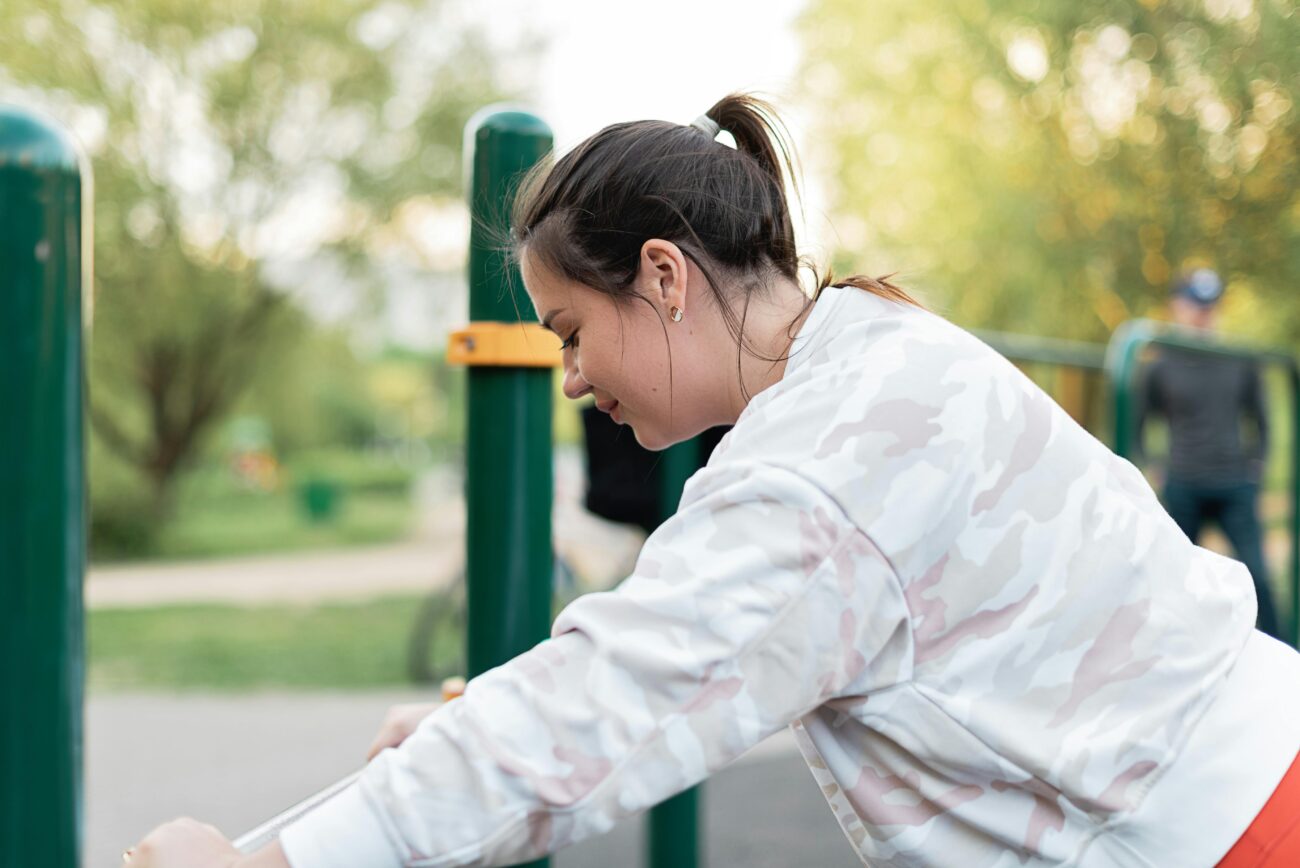
Stretching is the most underrated form of exercise in public health conversation. While governments push cardio and strength programs, the evidence on regular flexibility work shows outcomes that rival medication in managing chronic pain, stiffness, and mobility decline. Public spaces are the most accessible delivery point for this intervention. Outdoor stretching equipment by UrbanFit gives parks and reserves the physical infrastructure to make stretching a daily habit for the whole community. This article explains the health science behind outdoor stretching stations, who uses them, and how smart design turns a passive park visit into an active health outcome.
**Why Is Stretching a Public Health Priority?**
Sedentary behaviour kills. The World Health Organization ranks physical inactivity as the fourth leading risk factor for global mortality, responsible for approximately 3.2 million deaths annually. Australia is not exempt. Around 55% of Australian adults sit for more than seven hours a day.
Chronic sitting tightens hip flexors, shortens hamstrings, and compresses spinal discs. These physical changes cause back pain, reduce mobility, and increase fall risk over time. Regular stretching directly reverses these effects. A 2020 meta-analysis in the Journal of Physical Therapy Science confirmed that 10 to 15 minutes of daily stretching reduces lower back pain intensity by an average of 28% over 8 weeks.
Public outdoor stretching stations make that 10 to 15 minutes accessible without a gym membership, a trainer, or a mat. The equipment provides guidance, support, and structure for users who would not know how to stretch effectively on their own. That guidance is clinically meaningful.
**What Types of Stretching Does Outdoor Equipment Support?**
There are four primary stretching modalities. Static stretching, where you hold a position for 15 to 60 seconds. Dynamic stretching, which involves controlled movement through a range. Proprioceptive neuromuscular facilitation, used in rehabilitation. And passive stretching, where a surface or support holds you in position.
Outdoor stretching equipment primarily supports static and passive stretching, with some dynamic elements. Inclined stretching boards allow hamstring, calf, and Achilles stretches at controlled angles. Parallel bars at varying heights support standing quad and hip flexor stretches. Curved back-stretch arches provide passive thoracic extension that most people never achieve in daily life.
The equipment removes the flexibility prerequisite. You do not need to be flexible to use it. That is the entire point. A 70-year-old with stiff hamstrings and a 30-year-old runner both use the same inclined board. Different starting positions, same equipment, same outcome direction.
**Who Actually Uses Outdoor Stretching Equipment?**
The demographic is broader than most councils expect.
Older adults are the primary users in morning and afternoon peak periods. Research from the City of Melbourne’s active parks audit found that adults over 60 made up 41% of outdoor exercise equipment users between 7am and 9am. They favour low-impact, joint-friendly equipment. Stretching stations match that preference exactly.
Runners and walkers use stretching stations before and after exercise. Parents with young children use them while their kids play nearby. Shift workers and office employees use them during lunch breaks. The common thread is that all these groups benefit from accessible, guided stretching that requires no equipment they have to carry.
**What Are the Specific Health Outcomes Linked to Regular Outdoor Stretching?**
The evidence base is solid. Regular stretching improves arterial flexibility. A 2020 study in the Journal of Physiology found that eight weeks of hamstring and calf stretching reduced arterial stiffness by 6.9%, improving cardiovascular circulation in participants aged 50 to 75.
Stretching also reduces cortisol levels. This is not minor. Chronic stress and elevated cortisol are linked to cardiovascular disease, immune suppression, and poor sleep. Even five minutes of slow, deliberate stretching in an outdoor environment reduces perceived stress scores by a measurable margin in clinical settings.
For post-surgery and rehabilitation users, outdoor stretching stations provide a bridge between clinical physiotherapy and independent movement. Physios increasingly recommend specific outdoor equipment to patients transitioning out of formal rehab. The equipment is already aligned with clinical protocols.
**How Should Outdoor Stretching Areas Be Designed for Maximum Use?**
Clusters work better than isolated units. Two to three stretching stations grouped together create a mini circuit that encourages users to complete a full-body routine rather than stopping at one piece. Usage data from outdoor gym installations consistently shows that clustered equipment receives 2.4 times more daily interactions than single isolated units.
Instructional signage must be simple and visual. Research on outdoor gym signage effectiveness shows that diagrammatic instructions outperform text instructions by 3 to 1 in user comprehension. QR codes linking to video demonstrations add another layer of accessibility that costs nothing to maintain after initial setup.
Surface material under and around stretching equipment should be impact-absorbing. Rubber tiles or compacted bark chip is appropriate. Hard surfaces increase the risk of falls from balance-challenging movements and deter users with mobility concerns from engaging with equipment at all.
**What Should Procurement Teams Look for in Outdoor Stretching Equipment?**
Load rating matters most. All outdoor fitness equipment should be rated for users up to at least 150kg. Under-rated equipment creates safety risks and liability exposure for the installing council or organisation.
Material quality determines longevity. Hot-dip galvanised steel frames resist corrosion for 20-plus years in coastal and high-humidity environments. Powder coating over mild steel starts failing in 3 to 5 years in Australian conditions. The upfront cost difference is small. The maintenance cost difference is not.
Warranty terms reveal supplier confidence. A supplier offering less than a 10-year structural warranty on outdoor fitness equipment is telling you something about their product’s expected lifespan. Quality manufacturers back their products for 15 years or more. That warranty expectation should be written into procurement specifications before any tender process begins.
