
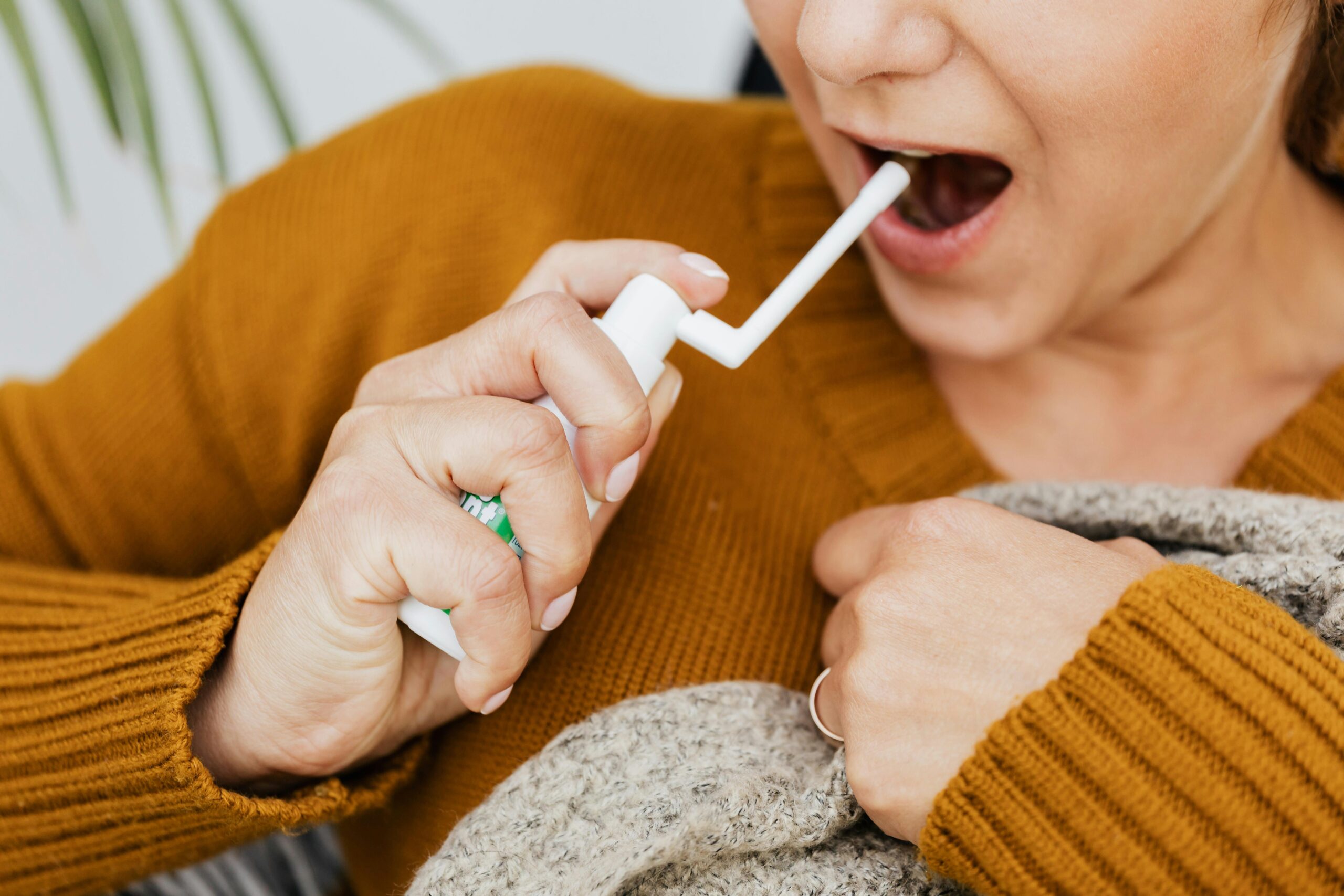
Dry mouth affects around 1 in 4 adults, according to the Oral Health Foundation. It sounds minor. It is not. Without enough saliva, teeth decay faster, gums suffer, and even swallowing becomes hard. That is where premium Xylimelts for dry mouth come in. These are clinically designed products that go beyond a sip of water. They work all night, stimulate saliva flow, and coat oral tissue with protective ingredients. Dry mouth is manageable when you use the right product.
What Causes Dry Mouth and Why Should You Care?
Dry mouth, or xerostomia, has real medical causes. Over 400 common medications list dry mouth as a side effect, including antihistamines, antidepressants, and blood pressure drugs. Radiation therapy to the head and neck destroys salivary glands permanently in some cases. Autoimmune conditions like Sjogren’s syndrome affect saliva production directly. Without saliva, oral bacteria multiply faster. Plaque builds up in hours instead of days. Tooth decay follows, often at the gum line where it is hardest to treat.
How Do Xylimelts Work to Relieve Dry Mouth?
Xylimelts are small adhesive discs that attach to your gum or cheek. They slowly release xylitol and a lubricating gel called Oral Balance. Xylitol is not just a sweetener. Research in the Journal of the American Dental Association shows it actively reduces Streptococcus mutans, the bacteria most responsible for cavities. One disc lasts 2 to 8 hours. You can wear them while sleeping, which is when dry mouth is worst for most people.
| Benefit | How It Helps |
| Xylitol delivery | Reduces cavity-causing bacteria |
| Oral lubricant gel | Coats and protects oral tissue |
| Slow-release design | Works overnight without interruption |
| Saliva stimulation | Encourages natural moisture production |
Are Dry Mouth Products Safe for Long-Term Use?
Yes. Xylimelts are sugar-free, pH-neutral, and non-irritating. Clinical trials published in Gerodontology confirmed that patients using xylitol-based oral moisturisers for 12 weeks showed no adverse effects. In fact, cavity rates dropped. The FDA classifies xylitol as Generally Recognized as Safe (GRAS). Dentists and oncologists both recommend these products for patients who cannot increase saliva naturally.
What Lifestyle Changes Help with Dry Mouth?
Products work better alongside good habits. Drink water throughout the day, not just at meals. Avoid alcohol and caffeine, both dehydrate oral tissue. Breathe through your nose, not your mouth. Use a humidifier at night. These habits do not replace a clinical-grade dry mouth product, but they help it work better. Think of it as layering protection, not relying on one thing.
When Should You See a Dentist About Dry Mouth?
See a dentist if dry mouth has lasted more than two weeks, if you have new decay at the gum line, or if swallowing is getting harder. These are signs of significant salivary dysfunction. Your dentist can check for early decay, assess your salivary gland function, and recommend the right combination of treatment products. Catching it early means less damage and less cost later.
