
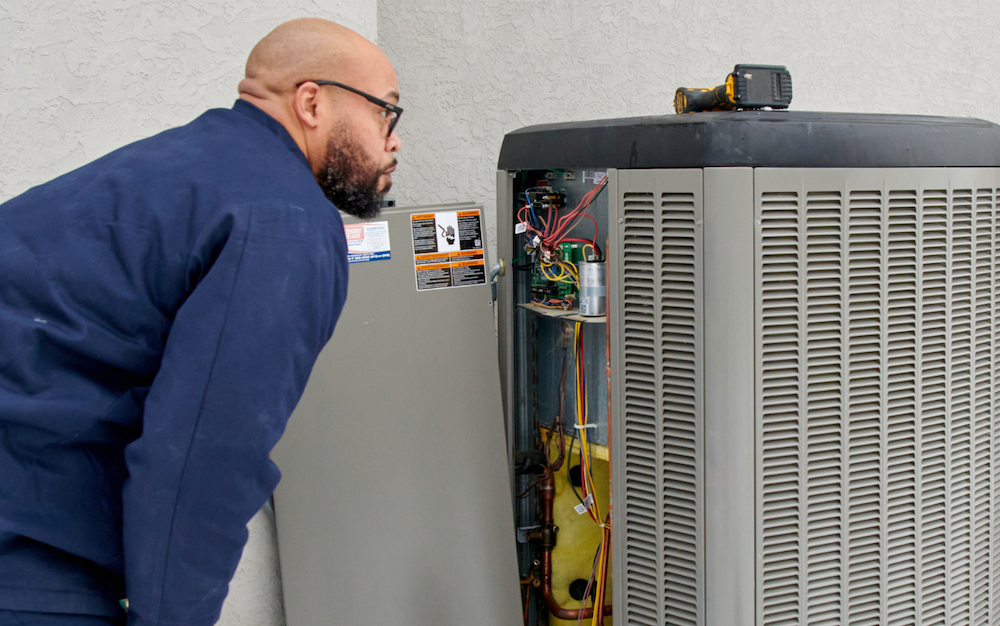
Warm air from your vents can quickly make a home uncomfortable, especially during hot weather. The problem may seem sudden, but it often develops from small issues inside the cooling system. A clogged filter, dirty coil, low refrigerant level, thermostat error, weak airflow, or outdoor unit trouble can all stop cool air from reaching the rooms properly. Air conditioning service helps identify the real cause rather than relying on guesswork. By checking the entire system, a technician can restore cooling, reduce strain on equipment, and help prevent the warm-air problem from recurring during heavy use.
When Cool Air Stops
- Where Cooling Problems Start
Air conditioning service often begins with a careful look at airflow, because warm air from vents is not always due to a failed cooling unit. If air cannot move properly through the system, the home may feel warm even while the equipment is running. A dirty filter can block airflow, causing the evaporator coil to become too cold or the system to lose cooling performance. Closed vents, blocked returns, crushed duct sections, or a weak blower motor can also reduce the amount of cool air reaching each room. The technician may check the filter, fan operation, duct pressure, return openings, and supply vents to see where air is being restricted. This step matters because poor airflow can make other parts work harder, raise energy use, and cause uneven comfort. Restoring airflow may help the system cool more steadily before bigger repairs are needed.
- Checking Refrigerant and Cooling Performance
Warm air can also appear when the refrigerant level is too low, or the system is not transferring heat correctly. Refrigerant moves heat from inside the home to the outdoor unit, so any leak or pressure problem can weaken cooling. A homeowner dealing with air conditioning in Rowlett may notice longer run times, higher indoor humidity, or vents blowing air that feels only slightly cool. During service, the technician can check refrigerant pressures, temperature differences, line condition, and signs of leaks. Low refrigerant should not be treated as a simple refill without finding the reason it dropped. If a leak is present, adding refrigerant without repairing it may only provide temporary relief. Proper testing helps confirm whether the system needs a leak repair, recharge, coil cleaning, or another correction. Once refrigerant movement is restored, the air from the vents can become cooler and more consistent.
- Cleaning Coils and Inspecting Outdoor Parts
Air conditioning service also helps fix warm air by checking the indoor and outdoor coils. The indoor evaporator coil absorbs heat from the air, while the outdoor condenser coil releases that heat outside. If either coil is covered with dust, grime, grass clippings, or debris, the system may struggle to cool. A dirty outdoor unit can trap heat around the condenser, making the air from the vents feel warmer than expected. The technician may clean the coil surface, inspect the fins, check the fan, and ensure the outdoor unit has sufficient clearance around it. The indoor coil may also need attention if dirt has accumulated due to poor filtration or long gaps between service visits. Clean coils help the system exchange heat more effectively. This can improve comfort, reduce run time, and prevent the unit from overheating during long cooling cycles.
- Finding Thermostat and Electrical Issues
Sometimes warm air comes from a control problem rather than a cooling part. A thermostat set incorrectly, placed in a poor location, or losing communication with the system can cause the air conditioner to run at the wrong time or fail to start cooling properly. Air conditioning service includes checking thermostat settings, wiring, calibration, batteries, and system response. The technician may also inspect electrical components such as capacitors, contactors, relays, and safety controls. If a capacitor is weak, the outdoor fan or compressor may not start correctly, leaving the indoor blower running while no real cooling happens. That can make vents blow warm or room-temperature air. Electrical problems should be handled carefully because they can affect both performance and safety. Correcting these issues helps the system respond properly when cooling is needed and prevents unnecessary strain on motors, fans, and compressor parts.
- Repairing Duct Leaks and Heat Gain
Warm air from vents can also happen when cooled air is lost before it reaches the rooms. Leaky ducts in attics, crawl spaces, garages, or wall cavities may allow cool air to escape while pulling in hot surrounding air. This can make the air at the vents feel weak, warm, or uneven from room to room. During air conditioning service, the technician may check duct connections, insulation, visible gaps, and areas where ducts pass through hot spaces. If a duct is disconnected or poorly sealed, the system may run often but still fail to cool the home well. Heat gain around ductwork can also reduce cooling power, especially during summer afternoons. Sealing leaks, improving insulation, or correcting duct layout can help deliver cooler air where it belongs. This makes the system more effective without forcing the thermostat lower than necessary.
Restoring Reliable Cool Air
Warm air from vents should not be ignored, as it can indicate airflow issues, refrigerant leaks, dirty coils, thermostat problems, electrical faults, or duct issues. Air conditioning service helps by checking each part of the system and identifying the cause behind the temperature change. Once the issue is found, the right repair can restore cooler airflow and reduce stress on the equipment. Regular service can also catch early warning signs before the system struggles during hotter days. A properly serviced cooling system helps rooms feel more comfortable, keeps air moving steadily, and gives homeowners more confidence when temperatures rise.
