
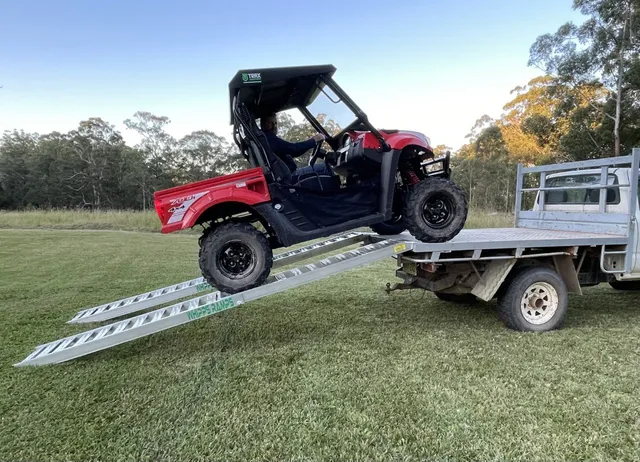
Moving heavy equipment, mobility devices, or commercial goods requires reliable access solutions that reduce physical strain and improve safety. This is where loading ramps and folding ramps play an important role. They are widely used in residential, commercial, and industrial settings to simplify transportation and ensure smoother transitions between surfaces.
From wheelchair access to loading cargo into vehicles, ramps have become an essential tool for accessibility and efficiency. Today, many users prefer modern, lightweight, and portable ramp systems designed for convenience and durability.
What Are Loading Ramps
Loading ramps are sturdy inclined surfaces designed to help move wheeled or heavy objects from one level to another. They are commonly used for loading motorcycles, ATVs, wheelchairs, lawn equipment, and commercial goods into trucks or trailers.
These ramps are built with strong materials such as aluminum or reinforced steel to support heavy weight capacities while maintaining stability. Their primary purpose is to reduce manual lifting and minimize the risk of injury during loading and unloading tasks.
Loading ramps are especially useful in logistics, construction, and transportation industries where efficiency and safety are top priorities.
The Growing Demand for Folding Ramps
Folding ramps have become increasingly popular due to their portability and ease of storage. Unlike fixed ramps, folding ramps are designed to collapse into a compact size, making them easy to transport and store when not in use.
This feature is particularly valuable for individuals and businesses that require ramps on the go. Whether used for personal mobility or commercial purposes, folding ramps offer flexibility without compromising strength or performance.
Many users prefer folding ramps because they can be quickly set up and just as easily stored away, making them ideal for both temporary and regular use.
Key Benefits of Loading and Folding Ramps
Both loading ramps and folding ramps offer several practical advantages that make them essential tools in everyday use.
Improved Safety
One of the biggest benefits is safety. Ramps help reduce the risk of lifting injuries and accidents by providing a smooth transition between surfaces. This is especially important when handling heavy or bulky items.
Enhanced Accessibility
Ramps make it easier for individuals with mobility challenges to access vehicles, buildings, and elevated surfaces. This improves independence and overall quality of life.
Portability and Convenience
Folding ramps, in particular, are designed for easy transport. They can be carried in vehicles and used whenever needed without requiring permanent installation.
Durability and Strength
High-quality ramps are engineered to support significant weight loads while maintaining structural integrity. This ensures long-term reliability even with frequent use.
Common Uses of Loading Ramps
Loading ramps are used in a wide range of environments, including:
- Vehicle loading for motorcycles, ATVs, and lawn equipment
- Warehouse and logistics operations
- Construction sites for moving tools and machinery
- Residential use for mobility aids and personal equipment
- Commercial deliveries and freight handling
Their versatility makes them a practical solution across multiple industries.
Folding Ramps for Mobility and Everyday Use
Folding ramps are especially helpful in mobility support situations. They are commonly used for wheelchairs, scooters, and walkers, helping individuals navigate steps, curbs, and vehicles more easily.
Because they are lightweight and portable, caregivers and users can transport them without difficulty. Many modern designs also include anti-slip surfaces and safety edges to improve stability during use.
This combination of portability and safety makes folding ramps a preferred choice for both personal and professional applications.
Choosing the Right Ramp
Selecting the right ramp depends on several factors, including intended use, weight capacity, length, and portability needs.
Here are a few important considerations:
- Weight capacity requirements
- Surface type and traction features
- Ramp length and incline angle
- Portability and storage space
- Frequency of use
Understanding these factors helps ensure that the chosen ramp meets both safety standards and practical needs.
Quality and Design Matter
Not all ramps are built the same. High-quality ramps are designed with precision engineering to ensure stability and long-term performance. Features such as non-slip surfaces, reinforced hinges, and lightweight construction materials all contribute to better usability and safety.
Investing in a well-designed ramp can significantly improve user experience while reducing maintenance concerns over time.
Express Ramps and Reliable Access Solutions
For individuals and businesses seeking dependable ramp solutions, Express Ramps offers a range of products designed to support accessibility and transportation needs.
Their selection includes loading ramps and folding ramps built with durability, safety, and convenience in mind. Whether for personal mobility use or commercial applications, their products focus on providing practical access solutions that improve everyday operations.
Final Thoughts
Loading ramps and folding ramps continue to play an important role in improving accessibility, safety, and efficiency across different environments. Their ability to simplify heavy lifting and support mobility needs makes them an essential tool for both personal and professional use.
As demand grows for portable and reliable access solutions, choosing the right ramp becomes even more important. With the right design and quality materials, ramps can provide long-lasting support and significantly improve day-to-day convenience.
