
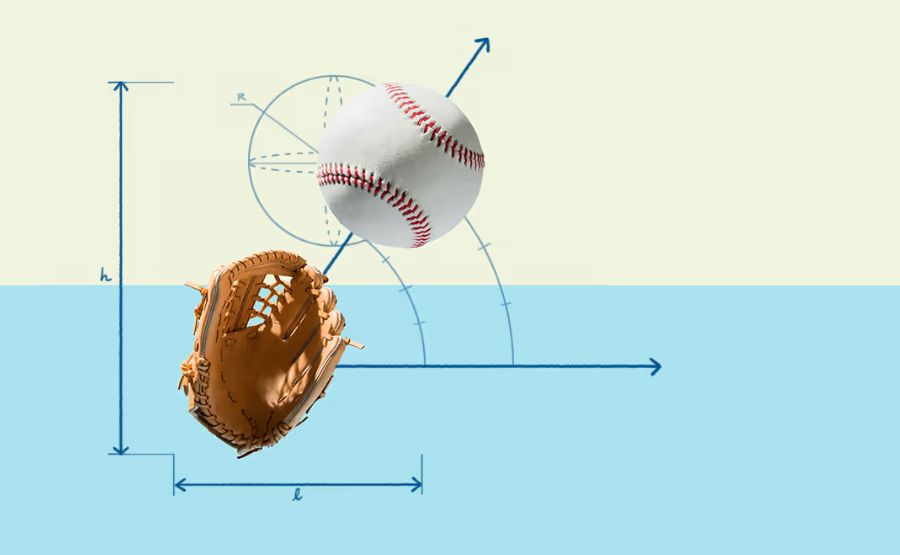
Numbers have always played a major role in baseball. Batting averages, home runs, RBIs—these stats have shaped how fans talk about players for decades. But in recent years, the way we look at those numbers has changed. The game is no longer just about what shows up on a basic scoreboard. It’s about context, patterns, and deeper performance indicators that explain why things happen on the field.
This is where baseball analytics comes in. It takes raw data and turns it into insight. For beginners, it can feel overwhelming at first. There are unfamiliar terms, complex formulas, and new ways of thinking about the game. But the foundation is simple: understanding performance more accurately than traditional stats allow.
Let’s break it down step by step.
What Baseball Analytics Really Means
At its core, baseball analytics is the study of performance using data. It goes beyond surface-level numbers and focuses on efficiency, consistency, and contribution to winning.
Instead of only asking, “How many hits does a player have?” analytics asks more detailed questions. How hard was the ball hit? Did the player get on base in high-pressure situations? Are they helping their team score runs more efficiently than others in the league?
This shift in thinking is important. It changes how fans evaluate talent and how teams make decisions. It also explains why some players who don’t stand out in traditional stats still have strong value in modern analysis.
Analytics doesn’t replace watching the game. It adds another layer of understanding.
Traditional Stats vs Modern Metrics
For years, baseball relied on a small set of familiar statistics:
- Batting Average (AVG)
- Runs Batted In (RBI)
- Home Runs (HR)
- Earned Run Average (ERA)
These numbers are still useful, but they don’t tell the full story.
Modern analytics introduces more advanced metrics like:
- On-base Plus Slugging (OPS)
- Wins Above Replacement (WAR)
- Fielding Independent Pitching (FIP)
- Weighted On-base Average (wOBA)
Each of these aims to measure value more accurately. For example, OPS combines a player’s ability to get on base with their power hitting. WAR attempts to estimate how many wins a player contributes compared to a replacement-level player.
According to FanGraphs, one of the leading sources for baseball research and statistical breakdowns, advanced metrics help reduce bias by focusing on outcomes that matter most in run production and prevention. This type of analysis is widely used by analysts, teams, and serious fans who want a deeper understanding of the game.
The difference between traditional and modern stats is not about right or wrong. It’s about precision.
Learning to Read the Numbers in Context
Numbers in baseball are only meaningful when you understand the situation behind them.
A .300 batting average looks strong, but it doesn’t tell you when those hits happened. Were they in close games? Against strong pitching? With runners in scoring position? Context changes interpretation.
The same applies to pitching. A low ERA might look impressive, but it doesn’t always reflect underlying performance. A pitcher might benefit from strong defensive support or luck on balls in play.
This is where analytics becomes powerful. It separates surface results from underlying skill.
For beginners, the key is not to memorize every stat. Instead, focus on relationships between metrics. Look at how on-base percentage connects with scoring. Observe how strikeout rates affect pitching efficiency. Patterns matter more than isolated numbers.
Even small improvements in interpretation can change how you see the game.
Common Mistakes Beginners Make
When first learning baseball analytics, it’s easy to get lost in the numbers or misinterpret what they mean. A few common mistakes show up repeatedly.
One mistake is overvaluing a single statistic. No single number defines a player. Another mistake is ignoring the sample size. A player’s performance over 10 games is not as reliable as performance over an entire season.
Another issue is treating advanced metrics as the absolute truth. They are tools, not final answers. They help guide understanding, but they still need context.
Beginners also sometimes assume analytics removes emotion from the game. That is not the case. It actually enhances appreciation. It gives fans more ways to understand why a great play matters or why a slump might be temporary.
For those looking for practical insights and projections, even resources like free MLB picks often rely on a mix of statistical modeling and performance trends to help interpret matchups more effectively.
Where to Start With Baseball Analytics
Getting started does not require advanced math or programming skills. It starts with curiosity.
Begin by tracking a few key stats during games you watch. Pay attention to on-base percentage, strikeout rates, and slugging percentage. Then gradually introduce advanced metrics like WAR and wOBA.
There are also several online tools and databases that make learning easier. Websites such as Baseball-Reference and other analytics platforms allow users to compare players, view historical trends, and explore detailed breakdowns of performance.
As you build familiarity, patterns will begin to emerge. You’ll start noticing how certain players consistently outperform expectations in specific situations. You’ll also see how team strategies are shaped by data-driven decisions.
The learning curve is real, but it becomes intuitive with time.
Final Thoughts
Baseball analytics is not about replacing tradition. It’s about expanding it. The game remains the same on the field, but our understanding of it continues to evolve.
By learning how to interpret both traditional and modern statistics, you gain a clearer picture of player value and game strategy. You move beyond surface-level reactions and start seeing the structure underneath performance.
