
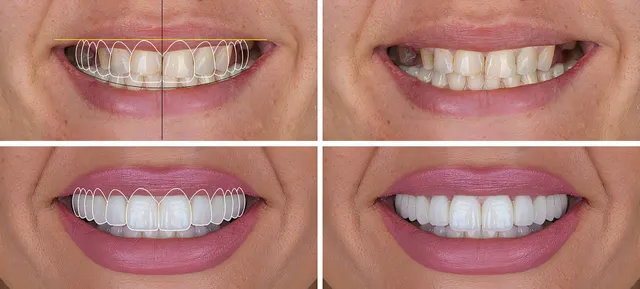
For decades, cosmetic dentistry was largely perceived as a luxury service focused on aesthetics. Whiter teeth, straighter smiles, and improved facial harmony were often viewed as enhancements designed primarily to improve appearance. However, a profound shift is occurring. Today, cosmetic dentistry is influencing how people think about health, technology, self-expression, personal branding, and even daily wellness habits. As the oral care trends of 2026 continue to evolve, the impact of modern dental aesthetics extends far beyond the dental chair.
The emerging role of cosmetic dentistry reflects a broader cultural movement in which personal wellbeing is increasingly viewed as an interconnected system. Rather than separating beauty from health, consumers are beginning to understand that confidence, oral function, emotional wellbeing, and social engagement are deeply linked. A smile has become more than a cosmetic feature; it is now a lifestyle asset.
One of the most significant influences of cosmetic dentistry is its contribution to preventative health awareness. Patients who invest in smile enhancements often become more attentive to their long-term oral health. Whether undergoing veneers, clear aligner therapy, or professional whitening, individuals frequently adopt improved hygiene habits to protect their investment. This behavioural shift encourages regular dental visits, better brushing and flossing routines, and increased awareness of dietary choices that affect oral health.
This connection between aesthetics and prevention represents one of the defining oral care trends of 2026. People are no longer waiting for dental problems to arise before seeking professional care. Instead, many are embracing proactive maintenance, recognising that preserving oral health supports both function and appearance. The result is a growing culture of prevention that benefits patients well beyond cosmetic outcomes.
Technology is another area where cosmetic dentistry is reshaping lifestyle expectations. Digital smile simulations, artificial intelligence-assisted treatment planning, and 3D imaging technologies have transformed patient experiences. Individuals now expect greater personalisation, visual transparency, and predictive outcomes from healthcare services. This expectation extends beyond dentistry into other sectors such as skincare, fitness, and wellness.
Consumers increasingly seek experiences that allow them to visualise results before committing to treatment or lifestyle changes. In many ways, cosmetic dentistry has become a model for how technology can empower informed decision-making. Patients are no longer passive recipients of care; they are active participants in designing their desired outcomes.
Social media has also amplified the cultural influence of cosmetic dentistry. While earlier generations may have associated dental treatment with clinical necessity, younger demographics often view smile enhancement as part of a broader self-care journey. Similar to fitness goals or skincare routines, smile optimisation has become integrated into personal development narratives.
Importantly, this trend is not solely about appearance. A healthy and attractive smile can influence social confidence, professional interactions, and communication effectiveness. Numerous studies have demonstrated that facial expressions, including smiling, play a significant role in how individuals are perceived in both personal and professional settings. As remote work, video conferencing, and digital networking continue to shape modern life, awareness of one’s smile has naturally increased.
Another fascinating development is the relationship between cosmetic dentistry and the wellness economy. Wellness was once associated primarily with exercise, nutrition, and mental health. Today, oral health is increasingly recognised as a critical component of holistic wellbeing. Researchers continue to explore links between oral health and systemic conditions such as cardiovascular disease, diabetes, and inflammation.
Consequently, cosmetic dental treatments often serve as an entry point into broader health consciousness. Patients who initially seek aesthetic improvements frequently become more engaged with overall wellness practices. This integration of dental health into wellness culture is among the most influential oral care trends of 2026, highlighting the growing recognition that oral health is not isolated from the rest of the body.
Fashion and personal branding are also being shaped by cosmetic dentistry in unexpected ways. In an era where personal image extends across digital platforms, professional networks, and social media channels, individuals are increasingly curating how they present themselves to the world. A confident smile has become an important element of that presentation.
However, unlike fashion trends that change seasonally, smile enhancements often represent a long-term investment in personal identity. This distinction gives cosmetic dentistry a unique position within lifestyle culture. Rather than simply following trends, patients are often seeking authenticity, confidence, and alignment between how they feel internally and how they present themselves externally.
Perhaps the most interesting evolution is the changing definition of beauty itself. Modern cosmetic dentistry is moving away from uniform ideals and embracing personalised aesthetics. Patients increasingly request natural-looking results that complement their facial features rather than conforming to a standardised appearance. This reflects a broader societal shift toward individuality and self-expression.
The future of cosmetic dentistry appears likely to continue this trajectory. Advances in biomaterials, digital workflows, and personalised treatment planning will further integrate dental aesthetics into everyday wellness and lifestyle decisions. As technology becomes more accessible and patient expectations continue to evolve, the influence of cosmetic dentistry will extend even further into how people define health, confidence, and quality of life.
Ultimately, cosmetic dentistry is no longer simply about transforming smiles. It is influencing behaviours, shaping consumer expectations, encouraging preventative healthcare, and redefining the relationship between appearance and wellbeing. The oral care trends of 2026 suggest that the future of dentistry lies not merely in enhancing beauty, but in helping individuals live healthier, more confident, and more connected lives through the power of a healthy smile.
