
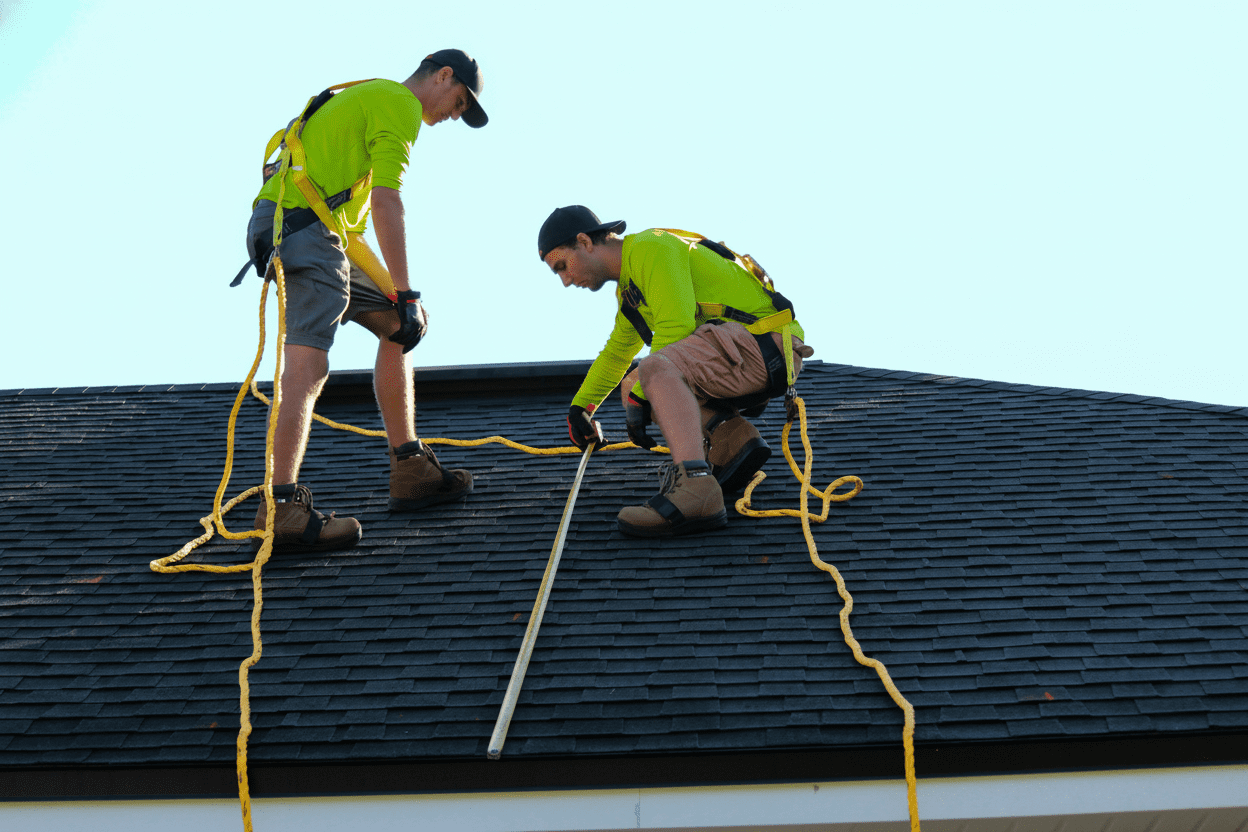
Florida weather creates year-round stress on residential roofing systems. Intense sunlight, high humidity, frequent rainstorms, and rising attic temperatures all contribute to gradual roof deterioration. Many homeowners focus on storm damage after hurricanes while overlooking the steady wear from daily exposure to heat and moisture during the summer months.
A professional roofing company often sees roofing systems age faster in Florida than in many other parts of the country. Constant UV exposure weakens shingles, humidity affects ventilation systems, and repeated expansion and contraction place pressure on roofing materials every day. These conditions may shorten a roof’s lifespan if maintenance and inspections are ignored.
Homeowners searching for experienced roofers often ask why some roofs fail earlier than expected, even when they appear visually acceptable from the ground. Often, heat-related deterioration begins beneath the surface long before visible signs appear outside the home.
Florida Heat Gradually Breaks Down Roofing Materials
Roof surfaces absorb substantial amounts of heat during Florida summers. Dark-colored roofing materials may become extremely hot during peak afternoon temperatures, placing continuous stress on shingles and underlayment.
As roofing materials heat up during the day and cool at night, repeated thermal movement occurs across the entire roofing system. Over time, this constant expansion and contraction may weaken shingles, loosen sealants, and contribute to cracking or curling.
Older roofs become especially vulnerable because years of heat exposure gradually reduce material flexibility. Once shingles begin to dry out and lose their protective granules, they may become more susceptible to wind damage during summer storms.
A roofing company performing routine inspections often identifies early signs of heat-related wear before major problems develop. Small repairs completed early may help prevent larger roofing failures later.
Humidity Creates Hidden Moisture Concerns
Florida humidity affects more than exterior roofing surfaces. Moisture trapped inside attic spaces may gradually impact insulation, decking, ventilation systems, and structural materials if airflow is insufficient.
Poor attic ventilation allows heat and moisture to build up beneath the roof surface. This trapped humidity may contribute to mold growth, wood deterioration, and reduced energy efficiency throughout the home. First, some homeowners notice the issue through musty odors, rising utility bills, or uneven indoor temperatures.
Roofers frequently inspect attic spaces because hidden moisture problems often develop without obvious roof leaks. Condensation may accumulate slowly over time, especially during periods of high outdoor humidity and intense summer heat.
Balanced ventilation systems help remove excess heat and moisture from the attic while supporting healthier overall roof performance. Proper airflow reduces unnecessary strain on roofing materials in hot weather.
Summer Storms Expose Weak Roofing Areas
Florida summers bring frequent thunderstorms that can expose weaknesses in aging roofs. Wind-driven rain, heavy downpours, and sudden pressure changes place additional stress on shingles, flashing, vents, and roof edges already weakened by heat and moisture.
Many roofing problems appear after storms, even though the underlying damage developed gradually over several years. Loose shingles, cracked flashing, and worn sealants may go unnoticed until severe weather allows water intrusion.
A roofing company often finds that summer rainstorms reveal hidden vulnerabilities rather than create entirely new roofing problems. Routine maintenance before storm season may help identify these weak areas while repairs remain manageable.
Homeowners who schedule seasonal inspections often gain a better understanding of how Florida weather is affecting the overall condition of their roof before visible leaks appear inside the property.
Roof Maintenance Helps Extend Roof Performance
Routine roof maintenance plays an important role in protecting roofing systems from Florida’s climate conditions. Seasonal inspections allow roofers to evaluate flashing, drainage areas, ventilation systems, and shingles for signs of wear or moisture damage.
Debris removal is another important part of roof maintenance. Leaves, branches, and organic buildup may trap moisture against roofing surfaces during rainy periods. Over time, this trapped moisture may accelerate deterioration and contribute to the growth of algae or mildew.
Cleaning gutters and drainage systems also helps prevent standing water near the roof edges. Improper drainage may increase the likelihood of water intrusion during periods of heavy rainfall.
Many homeowners wait until visible leaks develop before contacting a roofing company, but preventive maintenance often reduces repair costs and extends the roof’s lifespan.
Aging Roofs Require Closer Monitoring
Older roofs generally become more vulnerable to Florida weather with each passing season. Protective granules gradually wear down, while adhesives and sealants weaken over the years of exposure to heat and humidity.
Even small roofing defects may worsen quickly during summer storms once materials begin deteriorating. Homeowners with aging roofs often benefit from more frequent inspections because minor issues are easier to address before widespread damage occurs.
Experienced roofers understand how local weather conditions affect different roofing materials over time. Asphalt shingles, tile roofs, and flat roofing systems each respond differently to prolonged heat exposure and moisture conditions.
Regular evaluations help homeowners make informed decisions about maintenance, repairs, or timing of replacements before emergencies occur.
Frequently Asked Questions
How does Florida’s heat affect roofing materials?
Extreme heat may dry out shingles, weaken sealants, and cause repeated expansion and contraction that gradually wears down roofing systems.
Why is attic ventilation important for roof health?
Proper attic ventilation helps reduce heat and moisture buildup that may damage insulation, decking, and roofing materials over time.
Can humidity shorten the life of a roof?
Yes. Excess moisture and poor ventilation may contribute to mold growth, wood deterioration, and accelerated wear on roofing materials.
How often should roofers inspect a roof in Florida?
Many homeowners benefit from annual inspections and additional evaluations before or after severe storm seasons.
Homeowners looking to protect their roof from Florida heat, humidity, and storm damage can learn more about professional roof maintenance services by contacting Avatar Roofing in Tampa, FL.
