
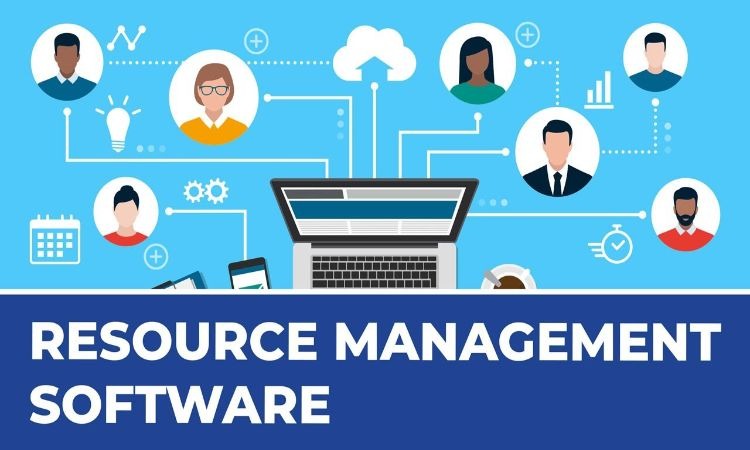
When a business begins to scale, there comes a point where managing projects on spreadsheets simply breaks down. In the early days, a manager could look across the room, see who looked busy, and assign tasks based on a gut feeling. But when an organization grows to hundreds or thousands of people spread across different cities or time zones, that casual approach turns into a logistical nightmare.
Suddenly, some team members are completely burned out from working eighty-hour weeks, while others are left sitting on the bench because nobody realizes they are available. This is exactly why companies begin searching for a more sophisticated solution. However, stepping into the market for a resource optimization software can be incredibly confusing. Every platform claims to maximize efficiency, but true optimization isn’t just about color-coding a calendar. It requires a deep, architectural understanding of what your people can actually do. Here is a practical look at the key features that truly matter when evaluating a system.
1. Dynamic Skills Intelligence Over Static Lists
The single biggest flaw in traditional resource management is treating an employee’s skills like a fixed list on a resume. If a software relies on people manually typing out their capabilities into a profile once a year, that data is obsolete almost immediately. People learn new tools, finish projects, and naturally grow their skill sets every week.
A modern platform needs to approach this through dynamic skills intelligence. Instead of forcing manual updates, a system like ProFinda connects directly to an organization’s existing tech stack. By pulling background data from communication tools, project histories, and HR databases, the software maps out a living, breathing ecosystem of company talent. It understands not just direct skills, but related capabilities, ensuring that when a specialized project arises, managers can find the exact right person based on verified, real-time data.
2. Intelligent, Bias-Free Matching Algorithms
Human nature often gets in the way of efficient staffing. When a new high-priority project lands, team leaders instinctively request the same three or four people they have always worked with. This habit creates a massive internal imbalance: the “star players” end up exhausted, while equally capable colleagues are completely overlooked simply because they aren’t part of that specific manager’s immediate network.
The right software solves this by using objective matching algorithms. When a project manager inputs the required skills, budget constraints, and timelines, the system should scan the entire organization to suggest the absolute best fits based on factual data rather than personal familiarity. This functionality does two critical things: it actively fights internal bias, and it controls the hidden costs of project delivery by ensuring that expensive, senior resources are only utilized when strictly necessary.
3. Forward-Looking Capacity Forecasting
A great tool does not just show you who is busy today; it tells you who is going to be free three months from now. Most operational friction happens because businesses are entirely reactive. They win a contract, look around, realize everyone is already fully allocated, and then rush into an expensive hiring panic.
A robust platform must feature predictive forecasting. By overlaying the current sales pipeline and upcoming project bids against the real-time availability of the workforce, leadership can spot upcoming bottlenecks long before they happen. This foresight allows a firm to make sensible, proactive decisions about upskilling internal staff or initiating recruitment pipelines without the pressure of an immediate deadline.
4. Real-Time Utilization Analytics
To keep an enterprise profitable, leaders need a clear, unvarnished view of utilization rates across different departments. If a team’s billable utilization is too low, the business loses money; if it is too high, talent attrition spikes.
The software should provide clean, centralized dashboards that track both historical and predictive utilization. It should easily highlight underutilized departments or individuals who are stuck on low-value administrative tasks when they could be deployed on high-impact client projects. Having this data readily available allows for quick, macro-level adjustments across the entire organization without waiting for end-of-month financial reviews.
5. An Internal Opportunity Marketplace
Resource management shouldn’t feel like a top-down corporate dictation where people are simply moved around like pieces on a chessboard. High-performing employees stay with companies where they feel they have control over their own career trajectory.
The software should include an internal marketplace feature where employees can view open project roles, stretch assignments, or internal mentorship opportunities. If an engineer wants to transition into machine learning, they should be able to see and apply for small components of machine learning projects within the company. This transparency turns a management tracking tool into a powerful engine for employee engagement and retention.
A Grounded Approach to the Transition
At the end of the day, investing in a resource optimization software is about moving away from fragmented chaos and moving toward organizational clarity. The real value of a system isn’t found in how flashy the scheduling interface looks, but in how effectively it uncovers the hidden talent already sitting inside the company.
By prioritizing automated data collection, objective matching, and forward-looking forecasting, a business can stop guessing who should do what. Instead, they can build a fluid, agile workforce where every project is staffed with precision and every employee has a clear path to grow.
