
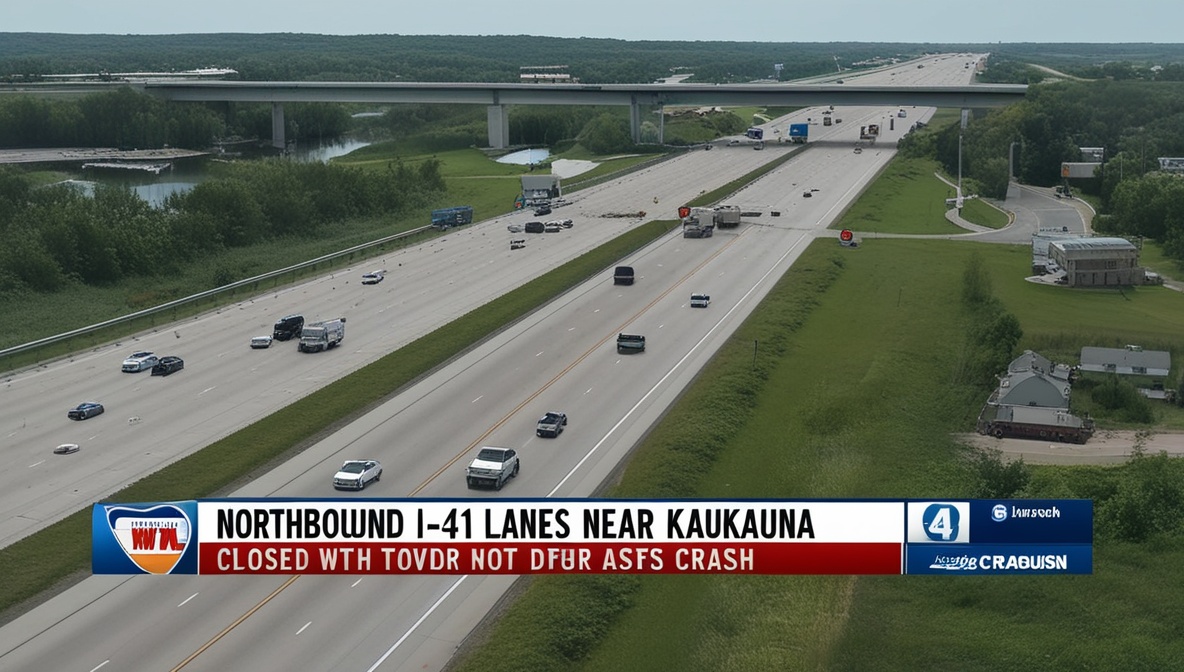
You are already familiar with this road if you travel through Kaukauna, Wisconsin. I-41 carries thousands of cars and trucks every single day. So when it shuts down, people notice fast.
On a Tuesday afternoon, that is precisely what took place. A crash near Highway U turned a normal drive into a long wait for hundreds of drivers. Let’s walk through what really happened, step by step, like I’m telling you over coffee.
Quick Facts
| Detail | Information |
| Location | I-41 northbound, just south of Highway U, near Kaukauna, Wisconsin |
| Day it happened | Tuesday |
| Time crews were called | Around 3:47 p.m. |
| Vehicles involved | Six total |
| Types of vehicles | One semi-truck, two pickups pulling trailers, three cars |
| Injuries | None reported |
| Lanes closed | All northbound lanes |
| How long the road stayed shut | About three hours |
| Detour point | Drivers pushed off at County J |
| Agencies on scene | Fire, ambulance, sheriff’s office, and state patrol |
How The Afternoon Started
It was a regular Tuesday. People were heading home from work or running errands. Nobody expected the highway to turn into a parking lot.
Then the call came in. Dispatchers sent crews to I-41 northbound, right around Highway U. The first report sounded bad. Someone said a person might be stuck inside a vehicle.
That kind of call makes every responder move fast. Firefighters, paramedics, and deputies all rushed toward the same stretch of road.
See also “Faccccccccccccc: The Full Story of How Stretched Letters Became a Digital Language of Their Own“
What Crews Found When They Arrived
When the first trucks pulled up, the scene was rough. Six vehicles were tangled together. A semi-truck sat among pickups and passenger cars.
Two of those pickups were pulling trailers. That added even more weight and wreckage to clear. Picture six vehicles, three of them carrying extra loads, all crunched together on a busy interstate.
The early fear was real. Crews thought someone might be trapped inside one of the cars. So extra fire crews were called in just in case cutting tools were needed.
The Good News Nobody Expected
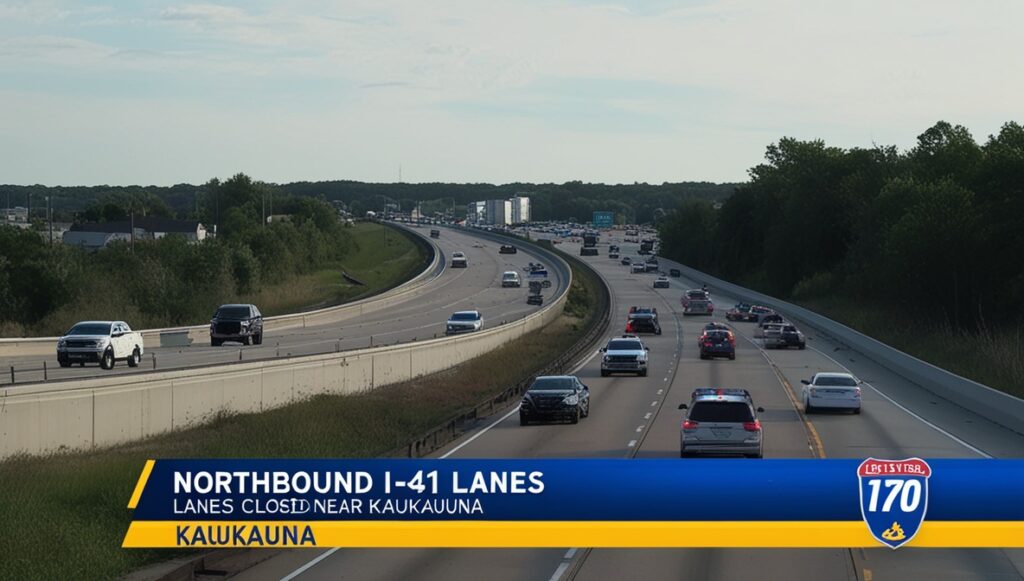
Here’s the part that surprised almost everyone.Not a single person was harmed after all that turmoil. Not the truck driver. Not the pickup drivers. Not anyone in those three cars.
Think about that for a second. Six vehicles. A semi-truck in the mix. Trailers attached. And still, everyone walked away okay.
That doesn’t happen by luck alone. Seatbelts, safe vehicle design, and maybe a little bit of grace all played a part that day.
Why The Cleanup Took So Long
You might wonder why a crash with no injuries closed the highway for three hours. The answer is a mess. A real, messy, fluid-soaked mess.
Things leak when a semi collides with multiple other cars. Oil, fuel, coolant, all of it can end up on the pavement. Crews can’t just push cars aside and call it done.
They have to treat the road like a hazard zone. Spills need to be contained. The surface needs to be safe again before regular traffic can roll through.
Add in two trailers and a semi-truck, and you’ve got heavy equipment needed just to move everything. That kind of cleanup takes patience, not speed.
Who Showed Up To Help
A crash this size doesn’t get handled by just one team. Multiple departments worked together that afternoon. Local fire crews arrived first, followed by ambulance services in case anyone needed care.
The county sheriff’s office helped manage the wreck and keep the area secure. Wisconsin State Patrol troopers worked traffic control and crash investigation. Because of the trapped-occupant concern, an outside fire department was even called in to help, just to be safe.
That’s six or more separate teams, all working one scene, all focused on the same goal. Get everyone out safely and get the road open again.
What Drivers Had To Deal With
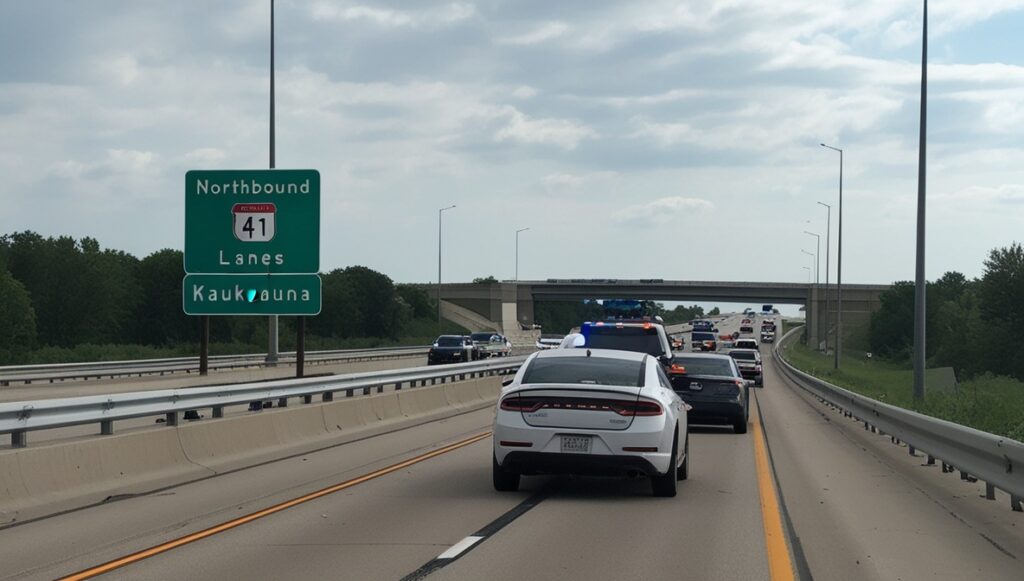
If you were driving north that afternoon, you felt it. All northbound lanes were closed at once. That’s not a single-lane slowdown. That’s a full stop.
State troopers pulled traffic off the interstate at County J. From there, drivers had to find another way around. For a stretch of highway that usually flows fast, this was a major disruption.
Anyone heading toward Appleton, Green Bay, or beyond had to rethink their route in real time. Some drivers probably sat in backed-up traffic before even reaching the exit.
This Wasn’t The Only Trouble That Day
This is something that many people are unaware of. The same general area saw more road trouble that same week. Down near Neenah, heat actually caused the pavement itself to buckle.
That buckled pavement triggered several smaller crashes of its own. One northbound lane there had to close too, just so crews could make repairs. An on-ramp near Winneconne Avenue also shut down because of it.
So for a few days, I-41 north of the Fox Valley wasn’t a smooth ride anywhere. Between the multi-vehicle pileup and the buckled pavement, drivers had two separate headaches on the same stretch of interstate.
A Pattern Worth Noticing
This wasn’t a one-time thing either. If you follow local traffic news, I-41 near Kaukauna shows up again and again. Crashes near County J and Highway U seem to happen more than drivers would like.
Earlier in the year, a different crash shut down a lane in that same area during the early morning hours. WisDOT crews needed over two hours just to clear that one. Another incident happened in early June, closing a lane for almost three hours.
That’s not meant to scare you off this road. But it does explain why local news outlets keep one eye on this stretch of highway. It’s a busy corridor, and busy corridors see more incidents.
Why This Particular Crash Stood Out
Most highway crashes involve two or three vehicles. This one had six. That alone makes it stand apart from a typical fender bender.
Add a semi-truck into that mix, and the danger level jumps. Big trucks carry more weight and need more room to stop. When something goes wrong involving a semi, the damage tends to spread further.
Then there’s the trailer factor. Two pickups were towing trailers when the crash happened. Trailers can swing, jackknife, or break loose, which makes a chain-reaction crash even more likely.
Put all of that together, and you understand why this story made headlines across the Fox Valley.
What Happens After A Crash Like This
Once the scene clears and the road reopens, the work isn’t actually finished. Investigators still have to figure out exactly how this started. Was it a sudden stop? A distracted driver? Bad timing in heavy traffic?
Insurance companies get involved too, since six different vehicles means six different claims to sort through. Vehicle owners have to deal with tow trucks, repair shops, and rental cars while their own vehicles get fixed or replaced.
For truck drivers especially, a crash like this can mean extra paperwork, inspections, and time away from the road. It’s never as simple as just driving away once the highway reopens.
Staying Safe On This Stretch Of Highway
Crashes like this one are a good reminder for every driver. Highways move fast, but that doesn’t mean you should follow too close. Leave extra space, especially around semis and vehicles pulling trailers.
Weather and road conditions can change in seconds too, just like that pavement buckle near Neenah showed. A road that feels fine one minute can turn dangerous the next.
If traffic suddenly slows ahead of you, don’t assume it’s nothing. Slow down early. Watch your mirrors. Give yourself room to react.
The Bottom Line
A six-vehicle crash shut down I-41 northbound near Kaukauna for about three hours on a Tuesday afternoon. A semi-truck, two pickups pulling trailers, and three passenger cars were all involved. Despite how serious the wreck looked, nobody was hurt.
Multiple emergency teams worked together to clear the scene and reopen the road safely. Drivers were rerouted off at County J while crews handled the wreckage and the spilled fluids on the pavement.
Stories like this remind us how unpredictable the highway can be, and how much work goes on behind the scenes after a crash like this. Stay alert out there, give other drivers room, and remember that getting home safe matters more than getting home fast.
FAQs
1. Where exactly did the crash happen?
It happened on I-41 northbound, just south of Highway U, near Kaukauna, Wisconsin.
2. How many vehicles were involved in the crash?
Six vehicles were involved, including a semi-tractor trailer, two pickup trucks pulling trailers, and three passenger cars.
3. Was anyone hurt in the crash?
No. Despite the size and severity of the wreck, no injuries were reported.
4. Why did the highway stay closed for so long if nobody was hurt?
The crash spilled a large amount of fluid onto the road, and crews needed time to clean the scene and clear heavy vehicles, including a semi-truck and two trailers.
5. How long were the northbound lanes closed?
The lanes stayed closed for about three hours while crews worked the scene.
6. Where were the drivers detoured?
Northbound traffic was pulled off the interstate at County J.
7. Which agencies responded to the crash?
Local fire departments, ambulance services, the county sheriff’s office, and Wisconsin State Patrol all responded. An additional fire department was also requested.
8. Why were extra fire crews called to the scene?
Early reports suggested someone might be trapped in a vehicle, so additional crews were sent in case cutting tools were needed.
9. Was this the only road issue on I-41 that week?
No. A separate issue near Neenah involved buckled pavement, which caused several smaller crashes and closed another lane.
10. Has I-41 near Kaukauna had other crashes recently?
Yes. The interstate in this area has seen multiple lane and full closures from crashes within the same year, including incidents in January and June.
11. What caused the pavement to buckle near Neenah?
Heat is generally the cause of pavement buckling, which can crack or push up sections of road surface, especially during warm stretches of weather.
12. Did the crash affect traffic heading to Green Bay or Appleton?
Yes. Drivers heading north toward those areas had to use alternate routes while the interstate was closed.
13. Were any citations or causes confirmed right away?
No official cause was confirmed publicly in the immediate aftermath of the crash.
14. What should drivers do when they see a crash ahead on the highway?
Slow down early, watch for emergency vehicles, and give responders plenty of room to work safely.
15. Is I-41 near Kaukauna considered a high-traffic area?
Yes. It’s a major interstate corridor through the Fox Valley region, which is part of why incidents there draw so much local attention.
Keep creating, innovating, and inspiring with Content Ideators every day.
