
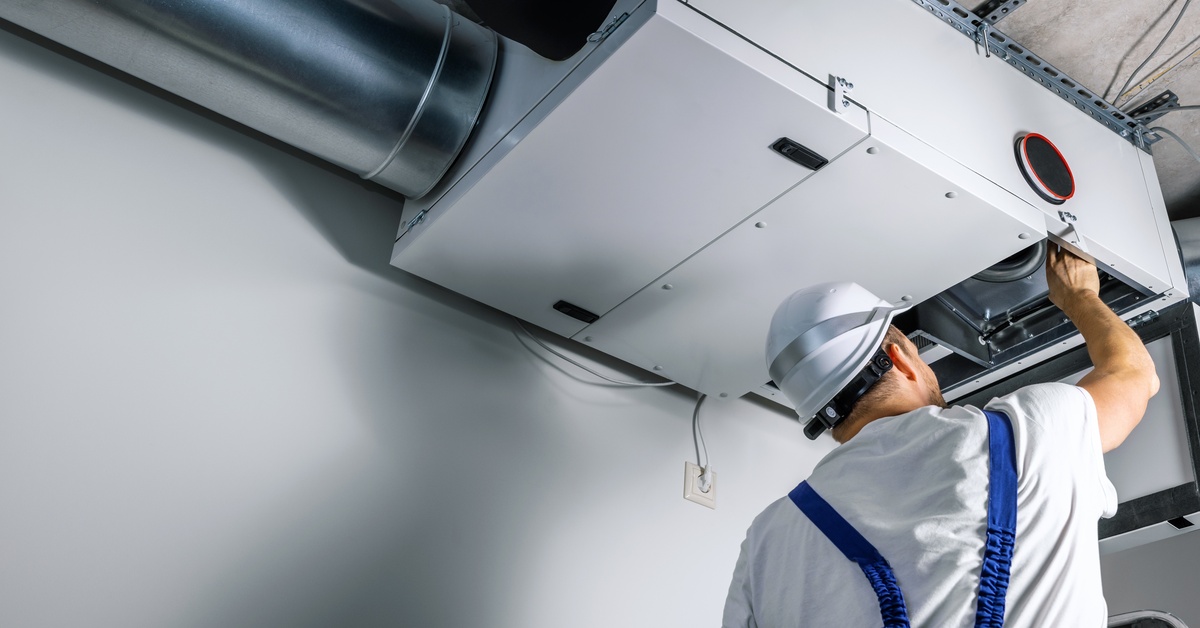
Indoor environments often struggle with hidden dampness that gradually affects walls, ceilings, and air quality. Heating, ventilation, and cooling systems play a major role in regulating humidity levels and maintaining consistent airflow throughout living spaces. When properly managed, these systems reduce the likelihood of damp buildup that can lead to structural damage and unpleasant odors. Balanced temperature control also limits condensation on cold surfaces, which is a common trigger for microbial growth.
Understanding how mechanical climate control interacts with moisture is important for healthier living conditions. Effective system use supports cleaner air and more stable indoor environments year-round overall indoor well-being.
How HVAC Systems Manage Indoor Moisture
- Airflow Regulation and Moisture Balance
HVAC systems influence moisture behavior by continuously moving air through filters, ducts, and vents. This circulation prevents stagnant pockets where humidity tends to accumulate and encourages more even temperature distribution across rooms. When air remains still, dampness can settle on cooler surfaces and gradually encourage unwanted microbial development. Proper airflow design ensures that conditioned air reaches all areas, reducing temperature differences that often cause condensation. Filters also contribute by trapping particles that can attract moisture and contribute to poor indoor conditions.
Regular air movement supports evaporation of excess humidity, especially in kitchens, bathrooms, and basements. Over time, this consistent circulation helps maintain a stable indoor environment where moisture does not linger long enough to cause damage or odors. Effective airflow management therefore plays a central role in maintaining dry and comfortable living spaces throughout seasonal changes.
- Humidity Control Through System Design
Modern climate systems are designed with humidity regulation in mind, allowing indoor environments to stay within comfortable moisture ranges throughout the year. Dehumidification features remove excess water vapor from the air, especially during warm or rainy periods when moisture levels rise significantly. At the same time, cooling cycles reduce surface temperatures that would otherwise encourage condensation on windows and walls. Balanced system calibration ensures that neither overly dry nor overly damp conditions dominate indoor spaces. In some regions, residential requirements vary based on seasonal shifts and building materials, making tailored climate control particularly important.
For example, HVAC solutions for Peoria homes often focus on managing humidity swings between hot summers and cold winters, which can stress building interiors. Consistent regulation reduces the risk of damp buildup and supports a more stable indoor environment that protects comfort and structural integrity over time. It also helps extend the durability of interior materials exposed to varying humidity levels.
- Condensation Prevention in Living Spaces
Temperature differences between indoor air and surfaces often cause moisture to form on walls, ceilings, and windows. This occurs when warm air carrying water vapor comes into contact with cooler materials, causing droplets to form and gradually accumulate. Climate control systems help reduce this effect by stabilizing indoor temperatures and minimizing extreme variations between different areas of a home. Insulation also works alongside mechanical systems by limiting heat transfer, which reduces the likelihood of cold spots where condensation can develop. Proper ventilation in moisture-prone areas, such as bathrooms and kitchens, further reduces damp buildup.
When these elements work together, indoor environments remain more balanced, reducing the risk of persistent wet surfaces. Over time, limiting condensation also reduces conditions that may encourage unwanted growth on building materials and improves overall air quality within enclosed spaces. This balance consistently supports healthier indoor living conditions.
- Filtration and Indoor Cleanliness
Filtration reduces airborne particles that may interact with moisture and contribute to damp-related issues. Dust, pollen, and other fine debris can settle on surfaces in humid environments, creating conditions that promote unwanted buildup. Air handling units equipped with filters help capture these particles before they circulate throughout living spaces. Over time, cleaner air reduces the amount of residue that combines with moisture on walls or vents. This process supports a healthier indoor environment by limiting the materials that moisture can cling to. Regular filter maintenance ensures consistent performance and helps prevent blockages that could reduce airflow efficiency.
When airflow is restricted, uneven temperature distribution may occur, increasing the likelihood of condensation in certain areas. Maintaining clear air pathways, therefore, contributes indirectly to moisture control and supports overall environmental stability inside homes and buildings. This also helps maintain consistent performance across different seasons. Reducing maintenance interruptions as well as overall stability.
- Ventilation in Moisture-Prone Areas
Ventilation strategies in moisture-prone areas play a key role in limiting damp accumulation and supporting consistent air exchange. Spaces such as bathrooms, kitchens, and laundry rooms experience higher humidity levels due to daily activities like cooking, bathing, and washing. Without adequate ventilation, this moisture can settle on surfaces and gradually lead to structural concerns. Mechanical ventilation systems assist by removing humid air and replacing it with drier air from other parts of the building or from outside.
This exchange reduces the chance of persistent damp conditions that may affect walls, ceilings, and fixtures. Properly designed airflow pathways ensure that moisture does not remain trapped in enclosed areas. Over time, effective ventilation contributes to a more balanced indoor climate and reduces the likelihood of recurring moisture-related problems that can affect both comfort and building durability. This supports long-term preservation of interior structures and finishes with consistent performance outcomes and overall balance.
- Temperature Stability and Moisture Control
Temperature stability influences how moisture behaves within indoor environments, as fluctuations can trigger condensation and uneven humidity distribution. Climate control systems help maintain consistent indoor temperatures by adjusting heating and cooling cycles according to environmental conditions. When temperatures remain steady, surfaces are less likely to experience rapid cooling that leads to water vapor condensation. This stability also reduces stress on building materials that may expand or contract due to thermal changes. Consistent thermal conditions support a more predictable indoor environment, enabling effective moisture management. Proper system calibration ensures that energy use is balanced while maintaining comfort and environmental stability. Over time, steady temperature control reduces the likelihood of damp accumulation and contributes to healthier indoor spaces that are less prone to moisture-related concerns. This also supports efficient operation of climate systems throughout the year, improving comfort and structural protection in equal measure across varied conditions, and overall reliability.
Indoor moisture challenges often develop quietly, yet they can significantly influence comfort, structural integrity, and air quality when left unmanaged. Climate control systems provide a structured way to regulate humidity, stabilize temperatures, and maintain continuous airflow throughout living spaces. Through balanced ventilation, filtration, and condensation control, these systems reduce conditions that encourage damp accumulation. Consistent performance across seasons helps maintain healthier indoor environments and limits long-term damage to building materials.
When properly maintained, these systems contribute to more stable living conditions and improved environmental balance within homes. Understanding system operation supports healthier indoor environments and long-term moisture control outcomes achieved.
