
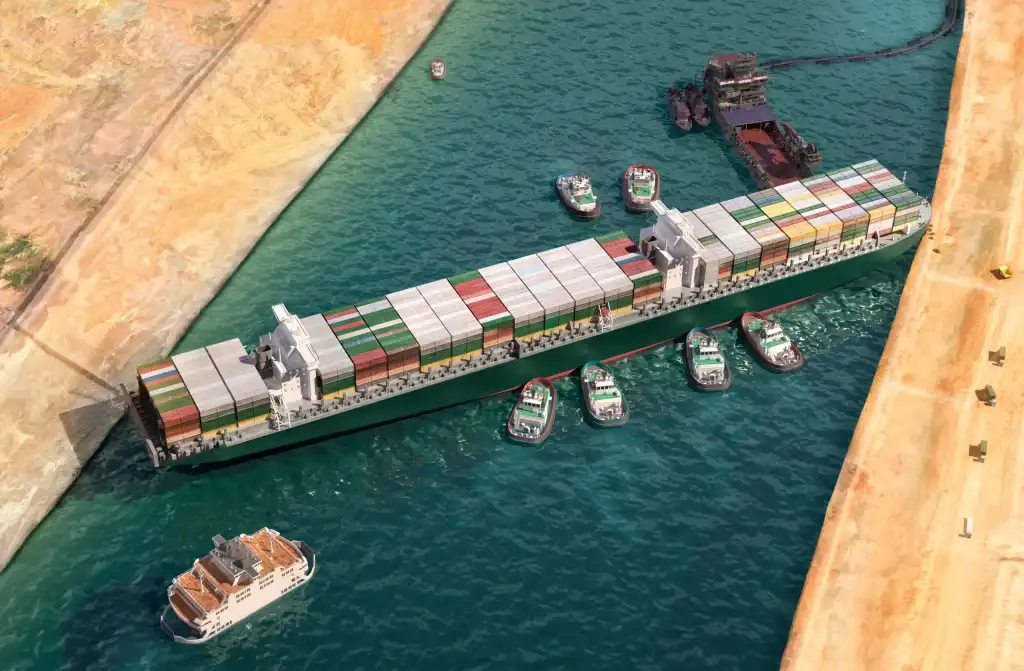
Modern supply chains depend heavily on the steady movement of goods between manufacturers, warehouses, retailers, and consumers. When delays occur at ports, highways, distribution centers, or production facilities, businesses often face inventory shortages, rising costs, and customer dissatisfaction. Transportation companies play a major role in keeping products moving efficiently despite changing market conditions and unexpected disruptions. Their ability to coordinate routes, manage freight schedules, and adapt to shifting demand helps reduce congestion throughout the supply chain.
As industries continue to rely on faster deliveries and broader distribution networks, transportation providers have become an important part of maintaining stability, improving communication between partners, and preventing operational slowdowns across domestic and international markets.
How Transport Networks Keep Supply Chains Moving
- Keeping Freight Moving Efficiently
Transportation companies help reduce supply chain bottlenecks by maintaining consistent freight movement between suppliers, distribution centers, and retailers. Delays often begin when products remain idle for too long at one point in the supply chain, creating congestion that affects every stage afterward. Carriers work to minimize these interruptions by coordinating pickup schedules, improving delivery timelines, and reducing empty miles traveled by trucks. Many transportation providers also monitor traffic patterns, weather conditions, and fuel availability to avoid unnecessary delays. Their ability to respond quickly to changing conditions keeps goods moving even during periods of high demand.
Efficient transportation management also improves warehouse planning because facilities can better prepare for incoming and outgoing shipments. When transportation systems operate smoothly, manufacturers can maintain production schedules while retailers avoid inventory shortages. Reliable freight movement supports stronger communication across supply chain networks and reduces the risk of product backlogs that can impact both businesses and consumers.
- Technology Improving Shipment Visibility
One of the major ways transportation companies reduce bottlenecks is by using tracking systems and digital communication tools. Businesses now expect real-time shipment updates because visibility enables supply chain managers to make faster decisions during disruptions. Transportation providers use GPS tracking, route optimization software, and automated dispatch systems to monitor shipments from origin to destination. These tools help companies identify delays early and adjust schedules before small issues become larger problems. In many industries, digital platforms also improve coordination among warehouses, drivers, and customers, leading to more accurate delivery expectations.
Growing trade activity has encouraged Transportation Companies in Canada to adopt advanced freight management systems that improve cross-border coordination and reduce delays at distribution hubs. Technology also helps transportation providers manage fuel consumption, labor scheduling, and maintenance planning more effectively. As a result, supply chains become more flexible and better able to respond to sudden changes in demand, weather disruptions, or road congestion without causing major operational slowdowns.
- Flexible Networks Supporting Demand Changes
Supply chain bottlenecks often occur when demand changes faster than businesses can react. Transportation companies help reduce this pressure by creating flexible delivery networks that adapt to seasonal increases, market shifts, and emergencies. During busy shopping periods or unexpected supply shortages, transportation providers may adjust delivery routes, increase fleet availability, or use temporary storage facilities to keep products moving efficiently. This flexibility prevents warehouses from becoming overcrowded and helps retailers maintain product availability for consumers. Transportation providers also coordinate with multiple carriers and shipping partners to avoid overloading one section of the supply chain.
In some cases, companies shift freight among trucks, rail systems, ports, or air transportation depending on which option offers the fastest movement. Flexible transportation planning allows businesses to continue operations even when disruptions affect one transportation channel. By responding quickly to changing conditions, transportation companies reduce delays that might otherwise spread throughout the entire supply chain system.
- Strengthening Warehouse and Distribution Coordination
Transportation companies also play a major role in improving coordination between warehouses and distribution centers. Poor communication between transportation providers and storage facilities can create long loading times, shipment confusion, and inventory delays. To prevent these problems, many transportation companies work closely with warehouse managers to establish organized pickup schedules and faster unloading procedures. Coordinated scheduling helps reduce truck wait times and prevents congestion at loading docks. Distribution centers can also prepare labor and equipment in advance when transportation providers share accurate arrival information.
Better coordination improves inventory flow because products move through warehouses more quickly, rather than remaining in storage for long periods. Transportation companies also assist by consolidating shipments and organizing delivery sequences to align with warehouse operations. These efforts reduce handling delays and improve overall efficiency across the supply chain. When transportation and warehouse systems operate together effectively, businesses can respond more efficiently to customer orders while avoiding unnecessary storage costs and shipment interruptions.
- Managing Risks During Disruptions
Unexpected disruptions can create severe supply chain bottlenecks that affect businesses for weeks or even months. Transportation companies help reduce these risks by developing contingency plans and maintaining alternative shipping options. Weather events, labor shortages, fuel price increases, equipment breakdowns, and port congestion can all interfere with product movement. Transportation providers often prepare for these situations by diversifying routes, maintaining backup carriers, and continuously monitoring supply chain conditions. Their ability to reroute shipments quickly helps businesses avoid long delays when primary transportation paths become unavailable.
Some transportation companies also use predictive analytics to identify potential disruptions before they create larger operational problems. Risk management strategies improve supply chain stability by enabling businesses to continue receiving materials and delivering products even in challenging circumstances. Transportation companies that maintain strong communication with suppliers, warehouses, and customers can reduce confusion during disruptions and provide updated delivery information quickly. This level of preparedness helps minimize financial losses while maintaining customer trust and operational continuity.
- Supporting Global Trade and Cross-Border Shipping
International trade adds another layer of complexity to supply chain management, especially when customs procedures, port operations, and transportation regulations vary between countries. Transportation companies help reduce cross-border bottlenecks by coordinating documentation, scheduling shipments, and handling freight transfers more efficiently. Delays at ports or border checkpoints can quickly affect production schedules and inventory levels across multiple industries. Transportation providers assist businesses by understanding shipping regulations, customs requirements, and international freight procedures that help goods move more smoothly between regions.
Many transportation companies also build partnerships with overseas carriers and logistics firms to improve coordination during international deliveries. Their experience managing global transportation networks helps businesses avoid unnecessary shipment delays and compliance issues. Faster customs processing and improved freight coordination reduce the likelihood of overcrowded ports and delayed warehouse deliveries. As global commerce continues to expand, transportation companies remain essential to supporting reliable international supply chain operations and helping businesses maintain consistent access to products and raw materials.
Transportation companies have become a critical part of efforts to reduce supply chain bottlenecks in modern commerce. Their ability to manage freight movement, improve communication, support flexible delivery systems, and respond quickly to disruptions helps businesses maintain smoother operations across complex distribution networks. Technology, coordinated scheduling, and strong risk management strategies allow transportation providers to reduce delays that can affect manufacturers, retailers, and consumers alike.
As supply chains continue to evolve amid international trade and rising customer expectations, transportation companies will remain central to improving efficiency and maintaining product flow. Their contribution extends beyond simply moving goods, as they also support planning, stability, and long-term operational performance throughout the global supply chain.
