
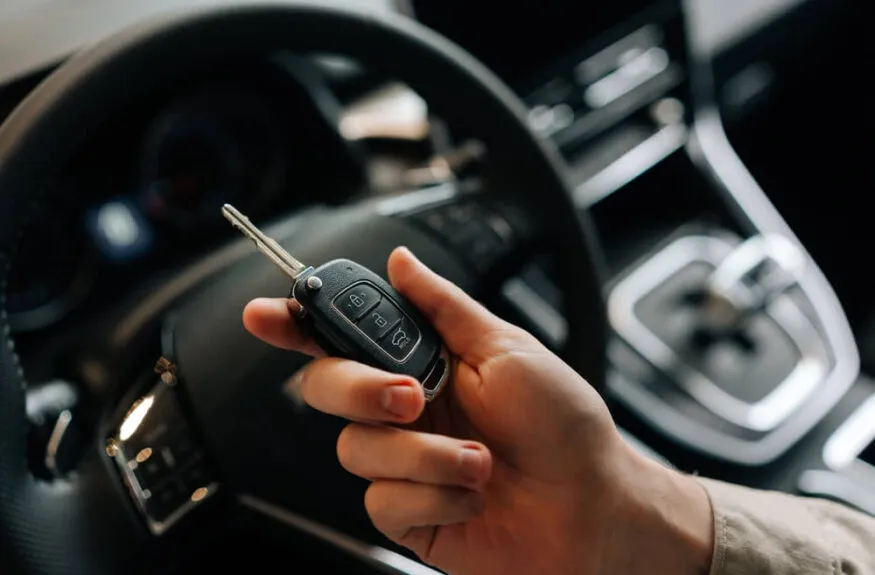
Why Vehicle Ownership Matters During Financial Hardship
For many individuals, a vehicle is more than personal property. Reliable transportation affects employment, medical appointments, school schedules, and daily household responsibilities. When financial problems become overwhelming, many people worry that filing for bankruptcy automatically means losing their car.
This concern leads some individuals to delay speaking with a bankruptcy attorney, even when facing mounting debt, missed payments, or collection lawsuits. In reality, bankruptcy laws provide protections that may allow many people to keep their vehicles, depending on the car’s value, the loan balance, and the bankruptcy chapter involved.
A bankruptcy lawyer reviews each client’s financial situation individually because vehicle ownership issues vary widely. Some people own their vehicles outright, while others still carry auto loan balances or face the risk of repossession. The legal strategy often depends on the vehicle-specific details and the overall debt situation.
How Car Loans Become Difficult to Manage
Vehicle loans can become financially stressful after a job loss, medical expenses, a divorce, or rising living costs. Even a short interruption in income may cause borrowers to fall behind on monthly payments.
Some individuals prioritize vehicle payments while delaying credit cards or medical bills because they rely heavily on their car for work and family obligations. Others continue making payments on vehicles with high interest rates or on loan balances that exceed the car’s actual value.
A bankruptcy attorney evaluates whether keeping the vehicle makes financial sense based on the individual’s income, debt obligations, and transportation needs. In some cases, bankruptcy may help protect the vehicle while allowing the filer to eliminate or reorganize other debt.
How Bankruptcy May Affect Vehicle Ownership
The impact of bankruptcy on a vehicle depends largely on whether the individual files for Chapter 7 or Chapter 13 bankruptcy.
Chapter 7 Bankruptcy and Vehicle Protection
Chapter 7 bankruptcy focuses on discharging qualifying unsecured debt, such as credit card debt, personal loans, and medical bills. Florida bankruptcy exemptions may protect certain vehicle equity depending on the filer’s circumstances.
If the filer remains current on auto loan payments, they may often keep the vehicle while continuing the loan agreement. Some lenders require reaffirmation agreements that confirm the borrower’s commitment to ongoing payments after bankruptcy.
A bankruptcy lawyer reviews vehicle value, loan balances, and exemption rules before filing the case. Proper planning may help reduce the risk of repossession or asset complications during the bankruptcy process.
Chapter 13 Bankruptcy and Vehicle Repayment
Chapter 13 bankruptcy allows individuals to reorganize debt through a court-supervised repayment plan. This chapter may help borrowers catch up on missed vehicle payments over time while protecting the car from repossession.
Some Chapter 13 cases also allow adjustments to certain vehicle loan terms, depending on the loan’s age and other legal factors. Individuals who need transportation for work often benefit from repayment structures that create more manageable monthly obligations.
A bankruptcy attorney helps determine whether Chapter 13 provides stronger vehicle protection based on the individual’s financial condition.
Repossession Concerns and Legal Protection
Vehicle repossession creates immediate disruption for many households. Losing transportation may affect employment stability, child care arrangements, and access to medical care.
How Bankruptcy Stops Repossession Activity
Filing bankruptcy generally activates the automatic stay, which temporarily stops most collection activity, including repossession efforts. Timing matters because once the lender has already sold a vehicle, recovering it may become more difficult.
Some individuals wait too long to contact a bankruptcy lawyer because they hope their temporary financial problems will improve. Early legal guidance may provide more options for protecting important assets before repossession occurs.
Evaluating Whether Keeping the Vehicle Makes Sense
Not every vehicle loan remains financially practical after bankruptcy. Some borrowers face high monthly payments or unfavorable loan terms that continue to create financial pressure even after they resolve other debt.
A bankruptcy attorney may discuss whether keeping the vehicle supports the individual’s long-term financial recovery or if replacing it with a more affordable option may improve overall stability.
Common Misunderstandings About Bankruptcy and Cars
Many people assume bankruptcy means surrendering all personal property. In reality, bankruptcy laws include exemptions designed to protect certain assets, including vehicles under qualifying circumstances.
Others believe they cannot file for bankruptcy if they are behind on auto loan payments. Depending on the chapter of the bankruptcy code and financial details, bankruptcy may help individuals stop repossession and organize repayment more effectively.
Every bankruptcy case involves different factors, including income, equity, loan status, and other assets. Personalized legal guidance helps determine the best approach for protecting transportation while resolving debt problems.
Frequently Asked Questions
Can a bankruptcy attorney help me keep my car?
Yes. A bankruptcy attorney may help evaluate exemption protections, repayment options, and legal strategies that may allow individuals to keep their vehicles during bankruptcy.
Does Chapter 7 bankruptcy stop vehicle repossession?
Filing Chapter 7 bankruptcy generally activates the automatic stay, which temporarily stops repossession efforts and other collection activity.
Can I catch up on missed car payments through Chapter 13 bankruptcy?
Yes. Chapter 13 bankruptcy may allow borrowers to repay past-due vehicle balances over time through a court-approved repayment plan.
Should I contact a bankruptcy lawyer before my vehicle is repossessed?
Speaking with a bankruptcy lawyer early may provide more legal options to protect your vehicle before repossession proceedings advance further.
Legal Guidance for Vehicle and Debt Concerns
Vehicle ownership often plays a major role in financial stability, employment, and family responsibilities. Speaking with a bankruptcy attorney may help individuals understand whether bankruptcy offers a realistic way to protect transportation while resolving overwhelming debt. Individuals searching for a bankruptcy lawyer in Clearwater, FL, can contact Weller Legal Group to discuss their financial situation and available legal options.
