
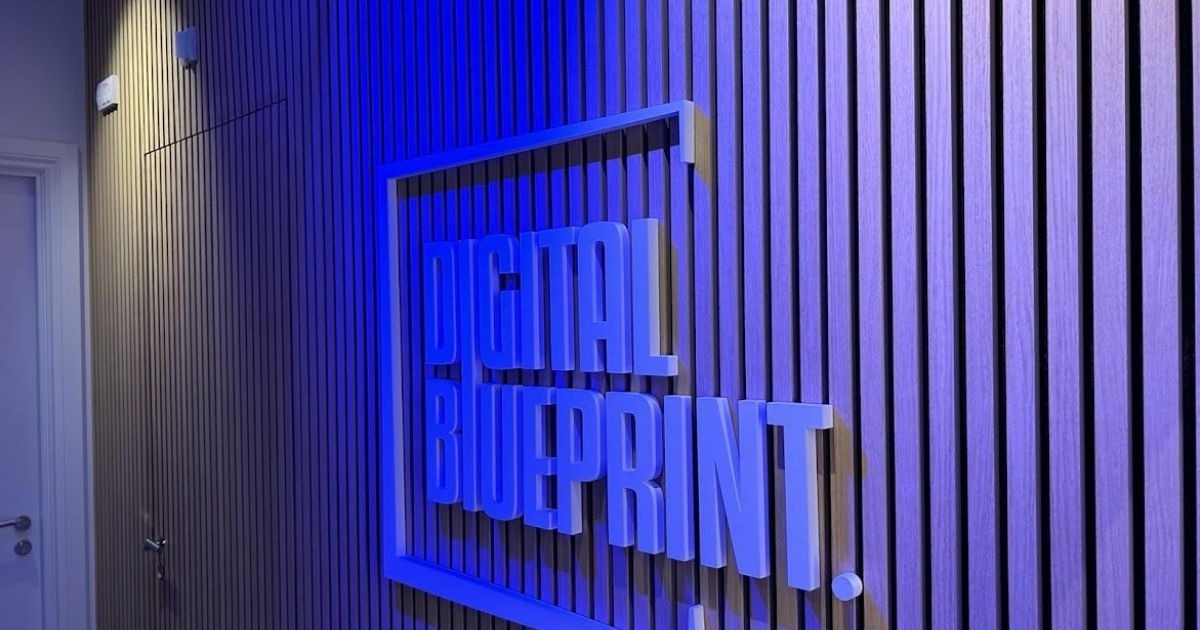
Lighting is the invisible force behind every sign that works and every sign that fails. A well-designed sign placed under the wrong light becomes unreadable. A modest sign positioned under the right conditions stops people in their tracks. Yet most businesses treat lighting as an afterthought, something to sort out after the sign is already installed. That is a costly mistake.
The relationship between light and signage is not passive. Light actively shapes how a sign is perceived, from the moment it gets noticed to how clearly the message registers and how premium the overall impression feels. Understanding this relationship is not just useful for designers. It is essential for any business that wants its signage to actually perform.
How Lighting Shapes The Way Signs Are Seen
Here is how light conditions influence sign visibility, legibility, brand perception, and long-term performance across different environments:
1. Determines If A Sign Gets Noticed
Attention is not given freely. The eye moves toward contrast, and light is the most powerful creator of contrast in any environment. A sign that blends into its surroundings under ambient daylight can become the dominant feature in the same space once targeted lighting is introduced. Flat overhead lighting erases dimensionality, washing out the shadows that make raised lettering and layered elements readable.
For event branding, this matters enormously. Exhibition halls and event venues are rarely lit with individual signage in mind. Every stand must compete without any lighting advantage. Brands that account for venue lighting conditions when designing displays, rather than assuming graphics will look as intended, consistently achieve stronger visual presence and generate more meaningful engagement.
2. Alters Colour Accuracy And Brand Consistency
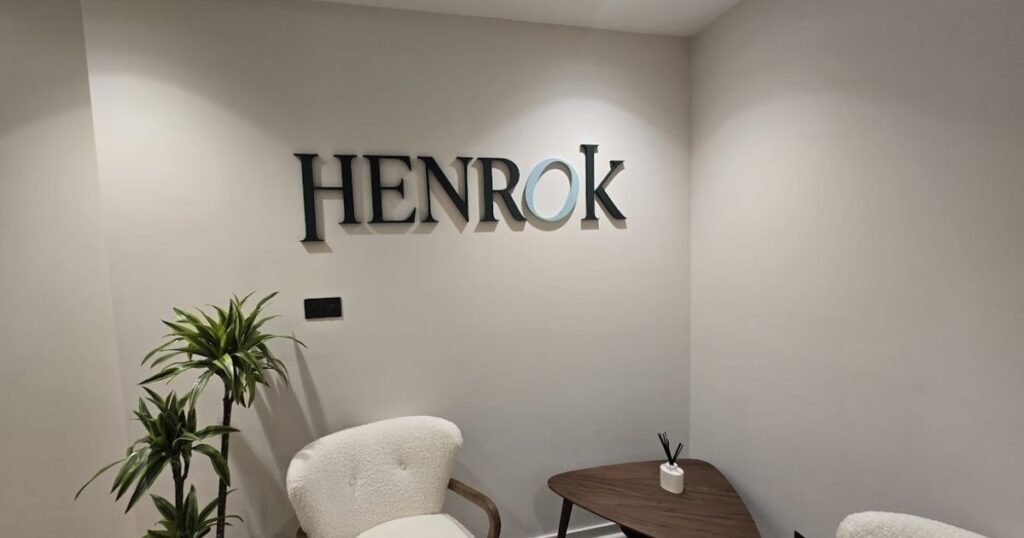
Colour is one of the most tightly controlled elements of any brand identity, and lighting is the variable most likely to undermine it. Warm light shifts cooler tones toward yellow. Cool fluorescent light drains warmth from reds and oranges. Natural daylight changes throughout the day, and with it, every sign’s perceived colour shifts too. This is a particular concern for window signs, where the design must perform under constantly shifting conditions.
Morning light reads differently from afternoon sun. Overcast days flatten contrast, and artificial interior lighting complicates the view from outside after dark. Choosing materials with reliable colour stability and testing designs across real lighting conditions ensures a window sign communicates the intended brand message regardless of the hour.
3. Defines The Perception Of Quality
Lighting does not just reveal a sign. It judges it. Signs that respond well to light, catching, reflecting, or absorbing it deliberately, read as premium. Signs that sit flat under whatever light they receive tend to disappear, regardless of how well they were designed on screen. Brushed aluminium signs demonstrate this principle with particular clarity.
The directional grain of brushed metal creates a surface that interacts with light rather than simply receiving it. Under directional lighting, the fine texture produces a subtle, shifting sheen that conveys material quality and craftsmanship. Under diffused light, the same surface reads as clean and refined without appearing harsh. This versatility makes brushed aluminium a preferred choice wherever quality and legibility both matter.
4. Controls Where The Eye Travels
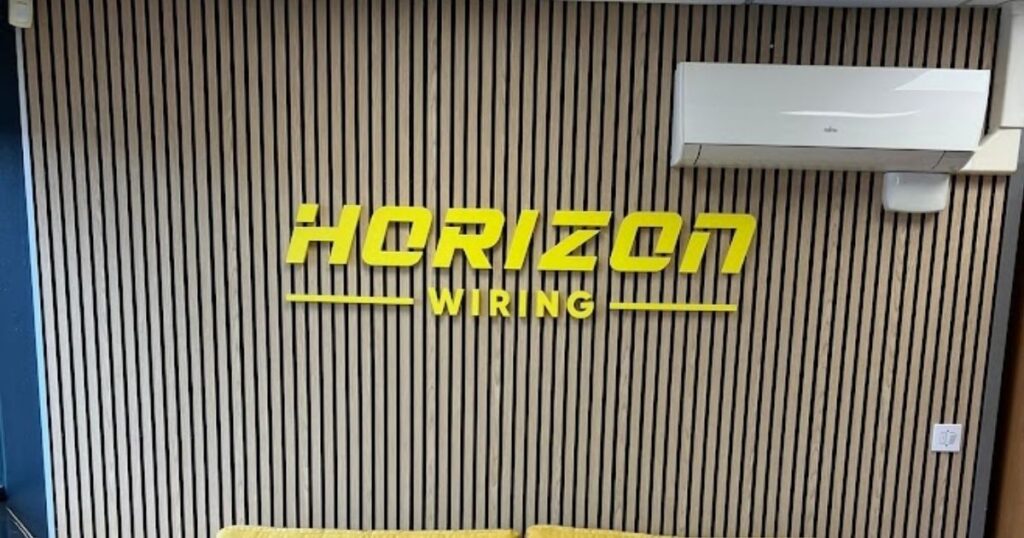
When a sign has no deliberate lighting strategy, the viewer decides where to look. A sign designed with light in mind removes that uncertainty and guides attention automatically. Illuminated headlines pull the eye first. Backlighting frames a logo and lifts it cleanly off the wall. Shadow lines produced by directional light give raised elements natural depth that reinforces visual hierarchy without additional design complexity.
The brain processes depth cues instinctively, which means well-lit dimensional signage communicates faster than flat alternatives. Viewers absorb the primary message at a glance rather than pausing to locate it. In high-traffic environments where a sign has only seconds to register, this guided visual flow is not a design preference. It is a functional requirement.
5. Affects Long-Term Sign Integrity
Sustained exposure to direct sunlight causes colour shift, surface fading, and material degradation over time. UV light breaks down printed surfaces faster than almost any other environmental factor, and signs positioned in high-light areas without UV-stable materials or protective coatings will deteriorate well before any practical replacement timeline.
This matters because a sign that loses its sharpness, legibility, or colour accuracy stops working long before it visually fails. Businesses then face the cost of early replacement rather than planned renewal. Choosing materials suited to a sign’s specific lighting environment, be it an intense direct sun, indoor fluorescent exposure, or variable daylight, is not a secondary detail. It is a decision that defines the sign’s effective lifespan and protects the return on investment.
Designing With Light From The Start
Colour and typography dominate most sign briefs. Lighting rarely enters the conversation until installation day, when it is already too late to change much. Bringing lighting into the design process from the beginning, understanding the environment, the light sources, and the times of day the sign will be most viewed, changes every decision that follows.
The result is signage that performs consistently, looks intentional, and communicates clearly under real-world conditions rather than ideal ones. From attracting attention in competitive spaces to maintaining colour accuracy and material integrity over time, light shapes every aspect of how a sign performs. Treat it as a core design variable from the start, and signage stops being a background element. It becomes a business asset.
