
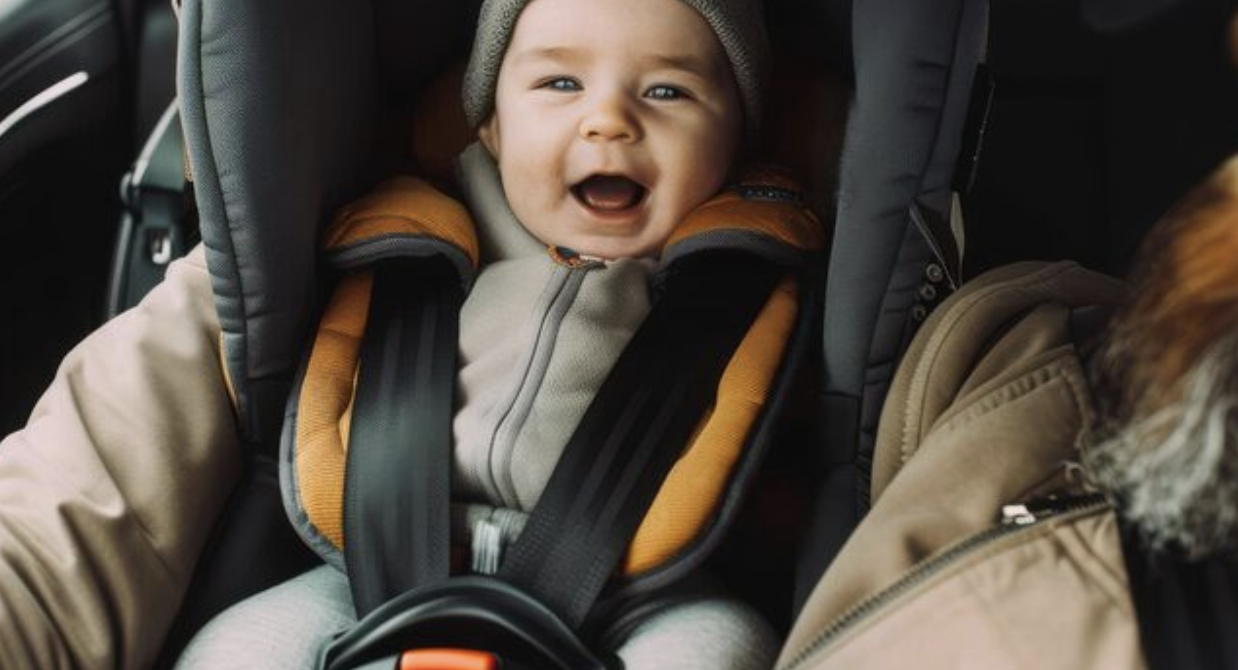
Car crashes are the leading cause of injury death for children in Australia. The right newborn car seat is not a purchase you guess at. It is a safety decision backed by physics, crash data, and strict Australian standards. Every year, thousands of children are injured because parents pick the wrong seat or install it incorrectly. This guide cuts through the marketing noise. No fluff. Just what actually matters when your baby’s life depends on a hunk of moulded plastic and a few straps.
What Does Australian Standard AS/NZS 1754 Actually Mean?
Every car seat sold in Australia must comply with AS/NZS 1754. This is not optional. It is law. The standard sets minimum requirements for structural integrity, harness performance, and flammability. But here is the thing most parents miss: passing the minimum standard does not mean the seat is the safest option available. It means it cleared the legal floor. Some seats do much more. Look for seats that meet or exceed the standard and have additional side-impact protection testing. In 2023, Kidsafe Australia reported that 70% of child restraints are installed or used incorrectly. The seat matters. So does how you use it.
Rear-Facing or Forward-Facing: Which Is Safer for a Newborn?
Rear-facing is safer. Full stop. When a crash happens, a rear-facing seat spreads the force of impact across the baby’s back, neck, and head. Forward-facing concentrates that force on the harness straps alone. The American Academy of Pediatrics recommends keeping children rear-facing as long as the seat allows. Most newborn car seats in Australia support rear-facing from birth up to 12 months minimum. Some convertible seats go rear-facing to 30kg. The longer you keep a child rear-facing, the better the crash protection. Physics does not care about what feels convenient.
What Is the Weight and Height Limit You Should Actually Check?
Manufacturers list weight limits clearly. What they hide in fine print is the height limit. A baby can outgrow a seat by height before they reach the weight limit. Once the top of the baby’s head is within 25mm of the top of the seat shell, the seat is done. For newborns, birth weight matters too. Many infant carriers are not approved for babies under 2.5kg. Premature babies often need hospital-grade restraints. Check both figures before buying. A seat rated to 0-4kg is not suitable for a 3.1kg baby born at 36 weeks without specific clinical approval.
Does the Seat Brand Actually Matter or Is It Just Marketing?
Brand matters less than certification and fit. A seat that costs $600 does not automatically protect better than a $280 seat if both meet AS/NZS 1754 and fit your car correctly. What does matter is the ease of correct installation. Research from the University of New South Wales found that parents are more likely to install complex seats incorrectly. Simpler installation mechanisms reduce error rates. Also look at harness adjustability. A harness that is hard to tighten often gets left too loose. The Royal Children’s Hospital Melbourne recommends checking harness slack at every single trip.
How Do You Know If the Seat Actually Fits Your Car?
Not every seat fits every car. This is one of the most underestimated problems in child restraint safety. Seat angles, anchor point placement, and seatbelt geometry vary significantly between car models. Many Australian states offer free fitting checks through Kidsafe accredited fitters. Use them. A seat that rocks more than 2.5cm when tested at the belt path is not properly secured. NRMA research showed that nearly 1 in 3 parents who self-installed a car seat had a critical installation error. Get the fit checked professionally. It is free and it takes 20 minutes.
