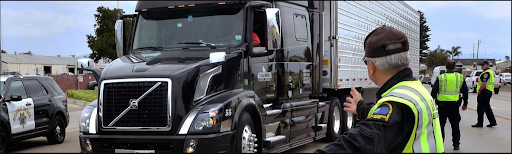
Operating a trucking company involves more than moving freight from one destination to another. Carriers must comply with strict federal safety requirements, and even minor oversights can result in fines, poor safety ratings, or costly out-of-service orders. However, when you are part of the freight and trucking system, a basic understanding of DOT compliance, FMCSA rules, and CVSA inspection standards is essential for maintaining smooth operations.
These systems work closely together to provide safer transit on highways and ensure that all carriers meet legal requirements simultaneously.
Professional trucking compliance services help businesses stay organized, reduce risks, and prepare for audits before violations occur. Companies such as Integrity Safety Consultants assist fleets with maintaining year-round compliance and improving overall safety performance.
What is DOT Compliance in Trucking Operations?
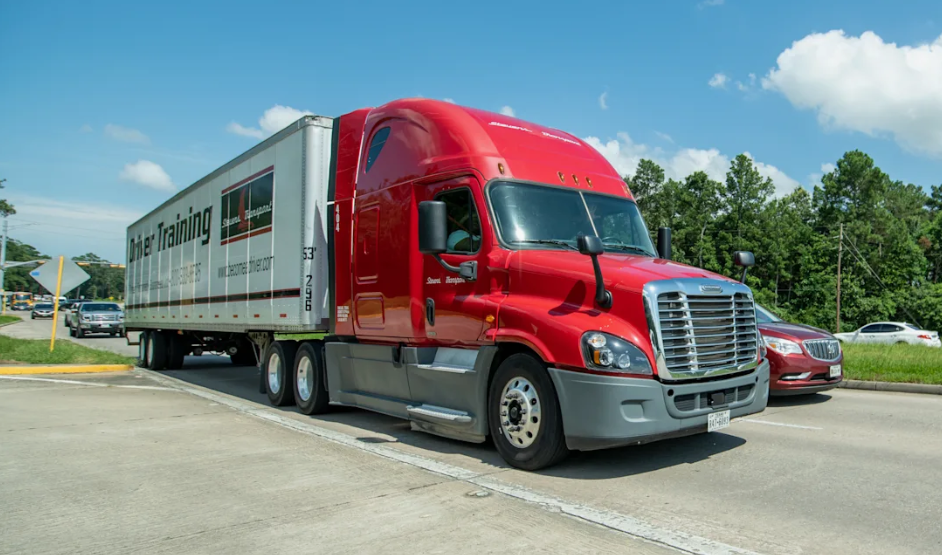
DOT compliance refers to the safety, licensing, and operational rules enforced by the U.S. Department of Transportation for commercial vehicles.
Core areas of DOT compliance
Key areas include:
- Driver qualification files
- Hours of Service (HOS) tracking
- Vehicle inspection records
- Drug and alcohol testing programs
- Maintenance logs
One of the foremost questions that comes to mind if you are in the freight industry is what causes DOT compliance failures.
Why DOT compliance failures happen
Common causes of violations include:
- Missing documentation
- Poor record management systems
- Lack of ongoing audits
- Outdated safety training
Without proper processes, even experienced fleets can fall behind on compliance requirements.
How FMCSA Compliance Services Keep Fleets Legal
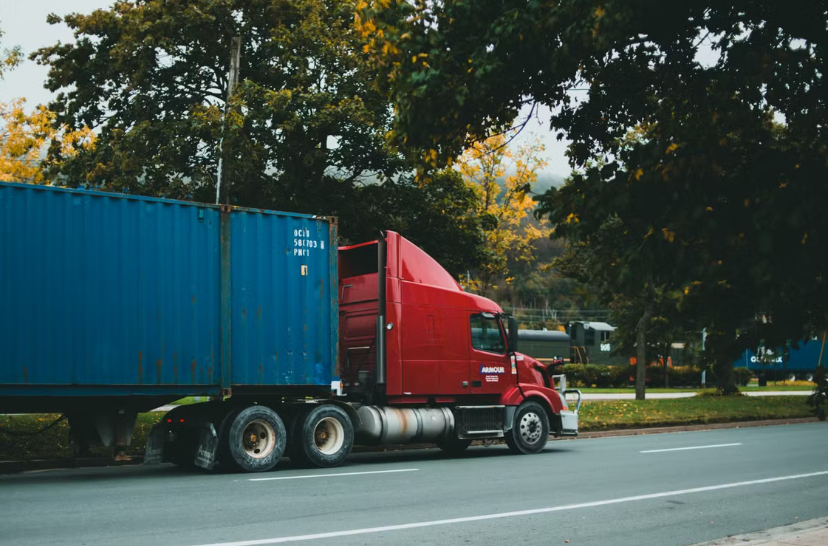
FMCSA compliance ensures trucking companies follow federal safety regulations to reduce accidents and maintain operating authority.
Key FMCSA requirements
Important requirements include:
- CSA safety scoring system
- Electronic Logging Device (ELD) usage
- Driver safety monitoring
- Vehicle maintenance tracking
What happens if FMCSA rules are violated
Failure to comply may lead to:
- Higher insurance premiums
- DOT audits
- Loss of operating authority
It is however, important to mention that many carriers wait until a violation occurs before addressing compliance problems. However, the most successful fleets perform monthly internal audits and identify risks before FMCSA inspections expose them.
Commercial Vehicle Safety Alliance (CVSA) Inspection Standards Explained
Commercial Vehicle Safety Alliance (CVSA) sets standardized roadside inspection criteria that enforcement officers use to evaluate commercial vehicle safety.
CVSA inspection levels
The most common inspection levels include:
- Level I: Full driver and vehicle inspection
- Level II: Walk-around inspection
- Level III: Driver documentation review
- Level V: Vehicle-only inspection
Common CVSA violations
Frequent issues found during inspections include:
- Brake system defects
- Lighting problems
- Logbook inconsistencies
- Tire and load security issues
Preparing drivers and equipment before inspections significantly lowers the risk of violations.
Why does understanding the system matter?
Understanding these organizations helps carriers:
- Prevent unexpected shutdowns
- Reduce inspection violations
- Improve safety ratings
Together, these agencies create the framework that governs commercial transportation throughout the United States.
What Are Trucking Compliance Services?
Trucking compliance services help carriers manage DOT, FMCSA, and CVSA requirements through audits, documentation, and safety systems.
Services typically included
Professional services often provide:
- DOT file audits
- Driver qualification management
- CSA score improvement plans
- Safety policy development
- Training programs
Why companies use compliance consultants
Compliance consultants help businesses:
- Reduce violation risk
- Save time on paperwork.
- Prepare for audits
- Improve insurance eligibility
Their expertise allows fleet managers to focus on operations while maintaining regulatory standards.
Common Compliance Mistakes Trucking Companies Make
Most violations occur due to missing documentation, poor training, and inconsistent safety-tracking systems.
Common mistakes include:
- Drivers missing updated medical certificates
- Incorrect logbook entries
- Outdated maintenance records
- No internal audit system
According to the experts, the biggest compliance risk is not roadside inspections but incomplete driver files discovered during audits. Maintaining accurate records should be a top priority for every fleet.
How DOT Safety Compliance Companies Improve Fleet Performance?
DOT safety compliance companies build structured systems that reduce violations and improve operational safety scores.
What good compliance support looks like
Effective programs typically include:
- Continuous monitoring systems
- Monthly safety audits
- Automated documentation tracking
- Risk-based improvement plans
Benefits for trucking companies
Strong compliance programs deliver:
- Fewer roadside violations
- Lower insurance costs
- Higher CSA scores
- Better contract eligibility
These advantages contribute directly to long-term profitability and operational stability.
Why FMCSA and CVSA Knowledge Matters for Fleet Owners
Understanding FMCSA and CVSA standards helps fleet owners prevent violations during inspections.
Strategic advantage
Fleet owners who understand regulatory requirements can:
- Predict inspection outcomes
- Correct issues before audits
- Train drivers more effectively
Proactive compliance creates safer operations and strengthens a company’s reputation within the transportation industry.
Final Thoughts
DOT, FMCSA, and CVSA compliance are interconnected systems that determine whether a trucking company remains operational or faces costly penalties. Businesses that implement structured compliance systems reduce risks, improve safety scores, and strengthen long-term fleet performance.
For companies seeking better audit readiness and stronger safety practices, experienced DOT compliance consultants can simplify regulatory requirements and help prevent expensive violations before they occur.
