
A power surge can affect an HVAC system even when the unit seems to turn back on normally. Sudden voltage changes from storms, grid problems, outage restoration, or electrical faults can stress wiring, motors, capacitors, control boards, thermostats, and safety switches. Some damage appears right away, while other problems develop slowly as weakened parts continue to run under strain. An HVAC contractor can inspect the system, test electrical components, and confirm whether the equipment is safe to operate. A post-surge check helps prevent hidden damage from leading to a larger breakdown in hot or cold weather.
What Needs Attention First
- Checking Electrical Parts Before They Fail
An HVAC contractor should check the system after a power surge because many critical components rely on a stable electrical supply. A surge can weaken capacitors, burn contact points, damage relays, loosen wiring, or affect the circuit board that controls system operation. The unit may still start, but it might draw uneven current, make louder sounds, or shut down unexpectedly. A contractor can test voltage, amperage, capacitor strength, wire condition, and control signals to see whether any part was stressed beyond normal limits. HVAC contractor in Vero Beach can help homeowners identify surge-related electrical issues before weak components cause repeated shutdowns or strain the compressor. This matters because electrical damage is not always visible from the outside. A small burned connection or weakened capacitor can force motors to work harder each time the system starts, increasing the risk of a sudden failure later.
- Protecting the Compressor and Motors
The compressor and fan motors are among the most expensive parts that can be affected by a power surge. These parts need reliable electricity to start and run smoothly. When a surge hits, the sudden change in voltage can stress windings, bearings, internal wiring, and start components. The system may make a humming sound, struggle to start, trip a breaker, or run briefly before stopping. An HVAC contractor can check whether the compressor is drawing too much current or whether the blower and condenser fan motors are running within proper ranges. This inspection helps catch early signs of overheating, weak starting, or electrical imbalance. If these issues are ignored, the system may continue operating under strain until the compressor locks up or a motor burns out. Early testing can protect major parts and give homeowners a clearer idea of whether repair is needed before the next heavy-use period.
- Testing the Thermostat and Control Board
A power surge can also affect the communication parts of an HVAC system. The thermostat, control board, sensors, and low-voltage wiring all help the equipment know when to start, stop, switch modes, or activate safety controls. After a surge, a thermostat may appear to operate normally but send incorrect signals, lose settings, or fail to communicate consistently with the indoor or outdoor unit. A damaged control board can create short cycling, delayed starts, blower problems, cooling failure, heating failure, or error codes. An HVAC contractor can test the thermostat signal, inspect board connections, check fuses, and review fault history when the system has diagnostic storage. This step is important because control problems can look like mechanical failure. Without proper testing, a homeowner might think the unit is failing when the real issue is a damaged signal path. Correcting control problems early helps the whole system respond more reliably.
- Finding Hidden Damage After the System Restarts
One reason post-surge inspections matter is that HVAC damage can remain hidden after power is restored. The system may cool or heat for a while, then begin to show small changes, such as weak airflow, breaker trips, uneven temperatures, unusual smells, buzzing sounds, or longer run times. These symptoms can indicate areas that were weakened but not fully destroyed by the surge. An HVAC contractor can inspect both the indoor and outdoor units, looking for scorched wiring, loose terminals, damaged insulation, failed fuses, stressed contactors, and signs of overheating. The contractor may also check airflow and refrigerant performance because electrical damage can affect how the system cycles and moves heat. This full review helps separate surge-related problems from normal wear. It also gives homeowners a chance to repair minor damage before it leads to poor comfort, increased energy use, or a complete shutdown.
- Reducing Future Risk With Better Protection
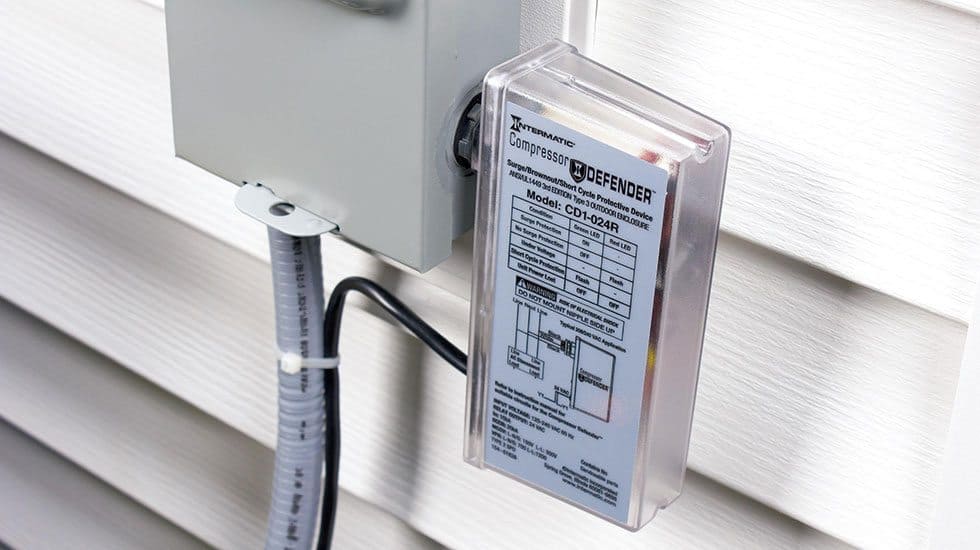
After checking for damage, an HVAC contractor may also recommend ways to reduce the effect of future power surges. Whole-home surge protection, HVAC surge protectors, proper grounding, clean electrical connections, and regular maintenance can all help lower risk. While no protection can guarantee that every surge will be harmless, stronger electrical protection can reduce the risk of sudden equipment damage. Contractors may also check whether the HVAC disconnect, breaker, wiring, and outdoor unit connections are in good condition. A system with loose or aging electrical parts may be more vulnerable when voltage changes quickly. Maintenance also helps because clean coils, proper airflow, and healthy capacitors reduce the strain placed on motors and compressors during startup. By combining inspection with prevention, homeowners can better prepare their HVAC systems for storms, outages, and sudden power changes that may occur again.
Preventing Bigger Repairs After a Surge
An HVAC contractor should check your system after a power surge because damage can be hidden in electrical components, motors, control boards, thermostats, and wiring. The unit may run at first, but weakened components can fail later under normal use. A careful inspection can reveal stressed parts, unsafe connections, startup problems, and control issues before they become major repairs. It can also help protect the compressor, improve reliability, and reduce the risk of future surges. After a storm, outage, or sudden voltage event, a prompt HVAC check can keep the system safer and more dependable.
