
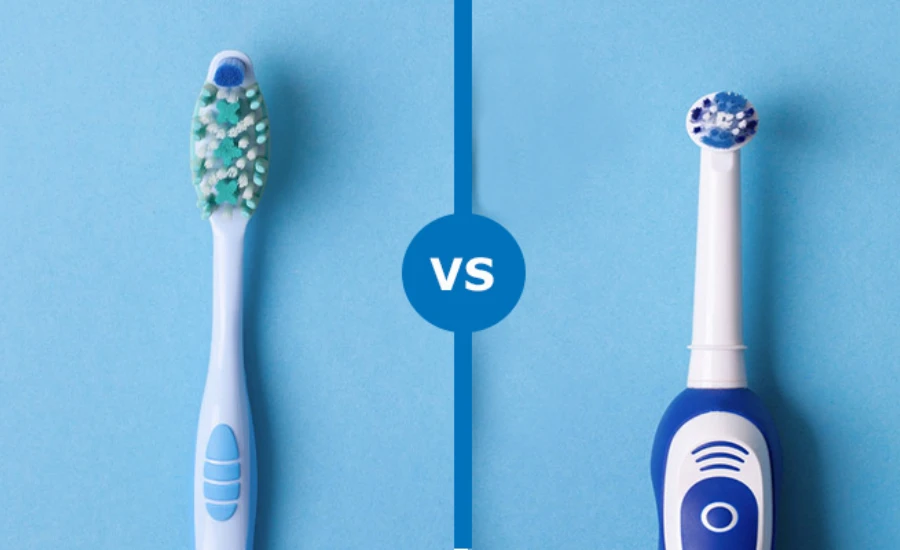
A toothbrush looks simple, but it does serious work every day. It fights plaque, protects your gums, helps prevent cavities, and keeps your breath fresher. Still, many people stand in the dental aisle and wonder the same thing: are electric toothbrushes really better than manual ones, or is this just smart marketing?
The honest answer is this: electric toothbrushes can clean better for many people, but a manual toothbrush can still work well when used the right way. The better choice depends on your brushing habits, gum health, budget, dental work, and how consistent you are each day.
Electric toothbrushes are popular because they make brushing easier. Many have built-in timers, pressure sensors, small brush heads, and brushing modes. These features help users brush for the full two minutes and avoid pressing too hard. Research has also found that powered toothbrushes can reduce plaque and gingivitis more than manual toothbrushes over time. A Cochrane review reported an 11% plaque reduction after one to three months and a 21% reduction after more than three months when powered brushes were compared with manual brushes. It also found gingivitis reductions of 6% at one to three months and 11% after more than three months.
But that does not mean every person must buy an expensive brush. The American Dental Association says both manual and powered toothbrushes can clean teeth well when used properly. The ADA recommends brushing twice a day for two minutes with fluoride toothpaste, using a soft-bristled brush, and replacing the toothbrush or brush head every three to four months.
So, are electric toothbrushes better? For many people, yes. For everyone? Not always. The best toothbrush is the one you use correctly every day.
What Makes Electric Toothbrushes Different?
An electric toothbrush uses battery power or a rechargeable motor to move the brush head. Depending on the model, the head may rotate, oscillate, vibrate, or move side to side. This motion gives the brush more cleaning movement than most people can create by hand.
A manual brush depends fully on your hand movement. You control the angle, pressure, speed, and time. That can work well, but many people rush. Others scrub too hard. Some miss the back teeth, gumline, or inside surfaces.
Electric toothbrushes help with these common mistakes. A built-in timer can remind you to brush long enough. A pressure sensor can warn you when you are brushing too hard. A smaller head can make it easier to reach behind molars. These features do not replace good habits, but they can help build them.
Cleveland Clinic notes that electric toothbrushes are often more effective at removing plaque and keeping teeth clean. It also points out that many patients brush longer because electric toothbrushes often include two-minute timers.
Electric Toothbrushes vs Manual Toothbrushes: Which Cleans Better?
For plaque removal, electric toothbrushes usually have an edge. Plaque is a sticky film that forms on teeth. If it is not removed, it can lead to cavities, gum swelling, bleeding, bad breath, and tartar buildup. Once plaque hardens into tartar, brushing cannot remove it. A dental cleaning is needed.
The main reason electric toothbrushes often clean better is movement. The brush head moves many times per minute. This helps break up plaque along the gumline and around hard-to-reach spots.
Manual brushes can still clean well, but technique matters more. You need to hold the brush at the right angle, use gentle pressure, brush all tooth surfaces, and take enough time. Many people think they brush for two minutes, but they stop much sooner.
The ADA says either manual or powered toothbrushes can be used well, but powered toothbrushes may be easier for people with dexterity problems, braces, disabilities, or trouble reaching certain areas.
Are Electric Toothbrushes Better for Gum Health?
Electric toothbrushes can be better for gum health, especially for people who have plaque buildup, gingivitis, or bleeding gums. Gingivitis is early gum disease. It often causes red, swollen, or bleeding gums. Better plaque control can help reduce gum irritation.
Mayo Clinic advises people with gingivitis to brush twice daily, use a soft toothbrush, replace it at least every three months, floss daily, and consider an electric toothbrush because it may remove plaque and tartar better.
A good electric toothbrush can help clean along the gumline without heavy scrubbing. This matters because brushing too hard can damage gums and enamel. Some electric models include pressure sensors that alert you when you press too hard.
Still, an electric toothbrush is not a treatment for advanced gum disease. If your gums bleed often, feel sore, pull away from your teeth, or you notice loose teeth, you should see a dentist. A dentist in Westfield, NJ can check your gum health and recommend the right home care routine.
Are Manual Toothbrushes Still Good?
Yes. Manual toothbrushes are still useful, affordable, easy to carry, and effective when used correctly. They do not need charging. They cost less. They are easy to replace. They also come in many head shapes and bristle styles.
A manual toothbrush may be a good choice if you already brush well for two full minutes, use gentle pressure, reach every surface, and replace your brush on time. Many people keep a manual brush for travel, work, or backup use even if they use an electric toothbrush at home.
The key is to choose a soft-bristled brush. Hard bristles can wear down enamel and irritate gums. The ADA recommends soft bristles and gentle pressure to reduce the risk of gum injury.
Benefits of Electric Toothbrushes
Electric toothbrushes offer several clear benefits. These benefits are the reason many dentists recommend them.
Better Plaque Removal
Plaque removal is the main reason people switch to electric toothbrushes. The moving brush head helps clean around teeth, near the gumline, and between uneven surfaces. This is helpful if you tend to miss areas with a manual brush.
Built-In Timer
Most electric toothbrushes include a two-minute timer. Some pause every 30 seconds so you can move to a new section of your mouth. This helps you brush more evenly.
Pressure Control
Many people brush too hard. This can lead to gum recession, enamel wear, and tooth sensitivity. Better electric toothbrushes often include pressure sensors. These sensors warn you when you press too hard.
Easier for People With Limited Hand Movement
An electric toothbrush can be helpful for people with arthritis, limited grip strength, hand injuries, disabilities, or mobility issues. Since the brush does much of the motion, the user does not need to scrub.
Helpful for Braces and Dental Work
Braces, bridges, crowns, implants, and retainers can create areas where plaque collects. Electric toothbrushes can make it easier to clean around these spots. Still, people with dental work should ask their dentist which brush head is safest.
More Consistent Brushing
Many users find that an electric toothbrush keeps them more consistent. They may brush longer, cover more areas, and use better pressure. Over time, this can lead to cleaner teeth and healthier gums.
Downsides of Electric Toothbrushes
Electric toothbrushes are useful, but they are not perfect.
Higher Cost
The biggest downside is cost. A manual toothbrush may cost only a few dollars. An electric toothbrush can cost much more, and replacement brush heads add to the expense.
You do not always need the most expensive model. The best electric toothbrush for most people is one with a timer, soft brush heads, good battery life, and a pressure sensor. Extra app features may be nice, but they are not needed for everyone.
Charging and Travel
Rechargeable brushes need power. This can be inconvenient during travel. Battery-powered models can help, but they may not feel as strong as rechargeable ones.
Brush Head Replacement
Electric brush heads must be replaced every three months, or sooner if the bristles fray. Skipping replacement can reduce cleaning quality.
Sensation and Noise
Some people dislike the vibration, sound, or feeling of an electric toothbrush. People with sensory sensitivity may prefer a manual brush or a gentler electric model.
False Confidence
An electric toothbrush does not clean your teeth by itself. You still need to guide it slowly over every tooth surface. Moving too fast or skipping areas can leave plaque behind.
How to Use an Electric Toothbrush the Right Way
Using an electric toothbrush is different from using a manual brush. You should not scrub back and forth with force. Let the brush head do the work.
Start by placing a pea-sized amount of fluoride toothpaste on the brush. Hold the brush at a slight angle toward the gumline. Turn it on only after it is inside your mouth to avoid splatter.
Guide the brush slowly from tooth to tooth. Spend a few seconds on each surface. Clean the outer surfaces, inner surfaces, and chewing surfaces. Do not press hard. If your brush has a pressure sensor, pay attention to it.
Brush for two full minutes. Many brushes divide the mouth into four sections: upper right, upper left, lower right, and lower left. Spend about 30 seconds on each section.
After brushing, spit out the extra toothpaste. Many dental professionals advise avoiding heavy rinsing right away so fluoride can stay on the teeth longer. Ask your dentist what is right for you.
How to Use a Manual Toothbrush the Right Way
A manual toothbrush can work well, but it needs good technique.
Use a soft-bristled brush with a head that fits your mouth. Hold the brush at a 45-degree angle toward your gumline. Use short, gentle strokes. Do not scrub hard.
Brush the outside, inside, and chewing surfaces of every tooth. For the inside of the front teeth, tilt the brush upright and use gentle up-and-down strokes. Brush for two full minutes.
The ADA recommends brushing twice a day for two minutes with fluoride toothpaste. It also says brushing should reach all tooth surfaces, including inner, outer, and chewing surfaces.
Replace your manual toothbrush every three to four months, or sooner if the bristles look worn. A worn brush does not clean as well.
Which One Is Better for Kids?
Electric toothbrushes can be helpful for kids, but they are not required. Some children enjoy electric toothbrushes because they feel fun. Built-in timers can help kids brush longer. Small brush heads can help clean little mouths.
Parents should still supervise brushing. Children often miss back teeth and gumline areas. They may also use too much toothpaste. The ADA says children under age 3 should use a smear of fluoride toothpaste about the size of a grain of rice. Children age 3 and older can use a pea-sized amount.
For kids, the best toothbrush is one they will use with help from an adult. Choose a soft brush made for their age. If using an electric toothbrush, choose a child-size head and gentle mode.
Which One Is Better for Braces?
Electric toothbrushes are often better for braces because brackets and wires trap food and plaque. A small electric brush head can clean around brackets more easily than many manual brushes.
People with braces should brush around the gumline, above and below brackets, and along chewing surfaces. Interdental brushes, floss threaders, or water flossers may also help.
Still, brushing alone is not enough. Braces need careful daily cleaning and regular dental visits. Your dentist or orthodontist can show you the safest way to clean around wires and brackets.
Which One Is Better for Sensitive Teeth?
Both manual and electric toothbrushes can work for sensitive teeth. The main issue is pressure. Brushing too hard can make sensitivity worse.
If you have sensitive teeth, choose soft or extra-soft bristles. A gentle electric toothbrush with a pressure sensor may help because it reduces heavy brushing. Some models also have a sensitive mode.
Use toothpaste made for sensitive teeth if your dentist recommends it. Avoid hard scrubbing and whitening products that cause discomfort. If sensitivity is new, sharp, or getting worse, schedule a dental exam. Sensitivity can come from gum recession, cavities, cracked teeth, worn enamel, or exposed roots.
Which One Is Better for Whitening?
Electric toothbrushes can help remove surface stains better than poor manual brushing. This may make teeth look cleaner and brighter. But an electric toothbrush does not change the natural color of your teeth the way professional whitening can.
Surface stains come from coffee, tea, red wine, tobacco, and certain foods. Better brushing can reduce some of these stains. But deeper stains need whitening treatment.
If you want a brighter smile, ask a dentist about safe whitening options. If you are looking for affordable cosmetic dentistry Westfield, ask about whitening, bonding, enamel-safe polishing, and other options that match your goals and budget.
Can Electric Toothbrushes Damage Teeth?
An electric toothbrush can damage teeth or gums if used the wrong way. The brush itself is usually not the problem. The problem is heavy pressure, hard bristles, or brushing too long in one spot.
To avoid damage, use soft brush heads. Do not press hard. Let the brush move on its own. Replace worn brush heads on time. If your gums feel sore after brushing, you may be pressing too hard or using the wrong brush head.
Pressure sensors are helpful for people who scrub. If you often notice frayed bristles after only a few weeks, that is a sign you may be brushing too hard.
What Features Matter Most When Buying an Electric Toothbrush?
There are many electric toothbrushes on the market. Some are basic. Some are expensive. Some connect to apps. Some have several modes. You do not need every feature.
The most useful features are simple.
A two-minute timer helps you brush long enough. A pressure sensor helps protect gums and enamel. A rechargeable battery saves money over time. A small brush head helps reach back teeth. Soft replacement heads are important for daily comfort.
The best electric toothbrush is not always the most expensive one. For many people, the right choice is a mid-range model with a timer, pressure sensor, and easy-to-find replacement heads.
Are Expensive Electric Toothbrushes Worth It?
Sometimes, but not always.
A more expensive electric toothbrush may include extra brushing modes, a travel case, app tracking, better battery life, and a more refined handle. These features can be useful for some people.
But plaque removal depends more on brushing time, brush head movement, pressure, and daily consistency. A lower-cost electric toothbrush with the right basic features can be a smart choice.
If you are comparing better electric toothbrushes, focus less on fancy extras and more on the features that improve daily brushing. Look for soft brush heads, a timer, pressure control, and a comfortable handle.
Sonic vs Oscillating Electric Toothbrushes
Two common types of electric toothbrushes are sonic and oscillating-rotating.
A sonic electric toothbrush vibrates at high speed. It often has a brush head shaped more like a manual toothbrush. Many people like the smooth feel and quiet brushing style.
An oscillating-rotating toothbrush usually has a small round head that rotates and pulses. It cleans tooth by tooth and may be easier for some users to guide around the gumline.
Research has often shown strong results for oscillating-rotating brushes, but both types can work well. The right choice depends on comfort, brushing habits, and dentist guidance.
Do Electric Toothbrushes Replace Flossing?
No. Electric toothbrushes do not replace flossing.
A toothbrush cleans the surfaces of teeth. Floss or interdental cleaners clean between teeth where bristles cannot fully reach. Plaque between teeth can lead to cavities and gum problems.
The ADA says there is no correct order for brushing and flossing, as long as you do both.
If string floss is hard to use, ask your dentist about floss picks, interdental brushes, or a water flosser. The best tool is the one you can use daily.
Do You Still Need Dental Cleanings If You Use an Electric Toothbrush?
Yes. Even the best electric toothbrush cannot remove hardened tartar. Tartar must be removed by a dental professional.
Dental cleanings also help your dentist or hygienist check for cavities, gum disease, worn fillings, oral cancer signs, bite problems, and other issues. Good home care reduces risk, but it does not replace professional care.
If you are searching for a dentist in Westfield, NJ, choose an office that focuses on prevention as well as treatment. A good dental team can help you choose the right brush, improve your technique, and set a cleaning schedule based on your needs.
Who Should Strongly Consider an Electric Toothbrush?
Electric toothbrushes may be a smart choice for people who:
- Have bleeding gums
- Build up plaque quickly
- Have braces
- Have crowns, bridges, or implants
- Brush for less than two minutes
- Brush too hard
- Have arthritis or limited hand movement
- Have trouble reaching back teeth
- Want a more guided brushing routine
- Need help staying consistent
If any of these apply to you, an electric toothbrush may be worth the cost.
Who May Be Fine With a Manual Toothbrush?
A manual toothbrush may be enough if you:
- Brush twice a day for two full minutes
- Use proper technique
- Have healthy gums
- Do not build up much plaque
- Replace your brush often
- Use soft bristles
- Floss daily
- Visit the dentist as advised
A manual brush is not a poor choice. Poor brushing habits are the real problem.
How Often Should You Replace Your Toothbrush or Brush Head?
Replace a manual toothbrush or electric brush head every three to four months. Replace it sooner if the bristles are frayed, bent, or matted.
Worn bristles cannot clean as well. They may also irritate the gums.
The ADA recommends replacing toothbrushes every three to four months or sooner if bristles are worn.
What About ADA Seal Toothbrushes?
When shopping for a toothbrush, look for the ADA Seal of Acceptance. This means the product has been reviewed for safety and effectiveness.
The ADA says the Seal shows that a toothbrush has been evaluated by an independent body of scientific experts. For toothbrushes, it relates to safety and ability to help remove plaque and reduce gum disease risk.
Not every good toothbrush has the Seal, but the Seal can help buyers choose with more confidence.
Common Mistakes People Make With Electric Toothbrushes
Many people buy an electric toothbrush but still use it like a manual brush. That is a mistake.
Do not scrub hard. Do not rush. Do not skip the gumline. Do not use an old brush head. Do not assume the brush cleans every spot without guidance.
Move slowly. Let the brush head rest on each tooth surface. Follow the shape of your teeth and gums. Use the timer. Use light pressure.
Another mistake is using too much toothpaste. A pea-sized amount is enough for most adults. More foam does not mean cleaner teeth.
Common Mistakes People Make With Manual Toothbrushes
Manual brush users often brush too fast. They may scrub hard across the front teeth but miss the inside surfaces and back molars.
Another common mistake is using medium or hard bristles. These can feel like they clean better, but they can harm gums and enamel.
Some people also keep the same toothbrush too long. If the bristles are spread out, the brush is past its useful life.
Electric Toothbrushes and Cosmetic Dentistry
Good brushing supports cosmetic dental results. If you have whitening, bonding, veneers, crowns, or clear aligners, daily plaque control matters.
An electric toothbrush can help reduce surface stains and keep restorations cleaner. It can also help protect the gumline around cosmetic dental work.
But cosmetic dental work needs the right care. Whitening products may not change the color of crowns or veneers. Abrasive toothpaste can dull some restorations. Brushing too hard can cause gum recession and expose tooth roots.
If you are looking for affordable cosmetic dentistry Westfield, ask a dentist which toothbrush and toothpaste are safest for your smile goals. The right home care routine can help your results last longer.
Are Electric Toothbrushes Better for Bad Breath?
Electric toothbrushes may help with bad breath when the cause is plaque or poor cleaning. Plaque, trapped food, gum problems, and tongue bacteria can all affect breath.
Better brushing can reduce odor-causing buildup. Still, bad breath can also come from dry mouth, gum disease, cavities, infections, tobacco, certain foods, or medical issues.
Brush your tongue gently or use a tongue cleaner if your dentist recommends it. Floss daily. Drink water. See a dentist if bad breath continues even with good home care.
Are Battery Toothbrushes as Good as Rechargeable Ones?
Battery toothbrushes can be useful and low-cost. They are often lighter and easier to travel with. But they may not have the same power, features, or brush head options as rechargeable models.
Rechargeable electric toothbrushes often include stronger motors, timers, pressure sensors, and more brush head choices. They may cost more upfront but can feel better for daily use.
For someone new to electric toothbrushes, a battery model can be a simple starting point. For long-term use, a rechargeable model may be a better value.
How to Choose the Best Electric Toothbrush for Your Needs
The best electric toothbrush depends on your mouth, habits, and budget.
If you brush too hard, choose one with a pressure sensor. If you rush, choose one with a timer and quadrant alerts. If you travel often, choose one with long battery life and a travel case. If you have sensitive teeth, choose a model with soft heads and a gentle mode.
If you have braces, implants, crowns, gum recession, or periodontal concerns, ask your dentist before buying. A dentist can recommend brush heads and techniques that fit your needs.
Do not buy only based on brand or price. Buy based on comfort, ease of use, replacement head cost, and dentist advice.
Manual vs Electric Toothbrush Cost Comparison
Manual toothbrushes cost less upfront. They are easy to replace and do not need charging. This makes them a good choice for families, travel bags, guest bathrooms, and tight budgets.
Electric toothbrushes cost more at first. Replacement heads also cost more than manual brushes. But they may help some people improve plaque control and gum health. For those users, the cost can be worth it.
Think of an electric toothbrush as a daily health tool. You use it every morning and night. If it helps you brush longer and better, it may be a smart purchase.
What Dentists Usually Recommend
Many dentists recommend electric toothbrushes because they help solve common brushing problems. They can help patients brush longer, use less pressure, and clean hard-to-reach areas.
But dentists also know that a manual toothbrush can work well. Most will not say everyone must use electricity. Instead, they will look at your mouth, plaque levels, gum health, dental work, and habits.
If your dentist or hygienist often finds plaque in the same areas, an electric toothbrush may help. If your gums are healthy and your brushing is strong, you may not need to switch.
When to Ask a Dentist for Advice
Ask a dentist for toothbrush advice if you have:
- Bleeding gums
- Tooth sensitivity
- Receding gums
- Bad breath that does not go away
- Braces or aligners
- Dental implants
- Crowns, bridges, or veneers
- A history of cavities
- Dry mouth
- Trouble brushing due to hand pain or mobility issues
A dentist in Westfield, NJ can check your brushing pattern and tell you where plaque is being missed. This is more useful than guessing in the store aisle.
So, Are Electric Toothbrushes Better?
For many people, electric toothbrushes are better because they remove plaque well, help users brush longer, and make good technique easier. They are especially helpful for people with gum concerns, braces, limited hand movement, or poor brushing habits.
But manual toothbrushes are not bad. A soft manual brush, used twice a day for two minutes with fluoride toothpaste, can clean teeth well. The ADA states that both manual and powered toothbrushes can be effective when used properly.
The real answer is not only about the toothbrush. It is about how you use it.
If an electric toothbrush helps you brush better, it is likely worth it. If you already brush well with a manual toothbrush, floss daily, and get good reports at dental visits, you may be fine staying with what works.
Final Thoughts
Electric toothbrushes are not just a trend. Research supports their value for plaque and gum health, and many people find them easier to use. They can be a strong choice if you want a cleaner feel, better brushing habits, and extra help protecting your gums.
Still, no toothbrush can make up for rushed brushing, skipped flossing, or missed dental visits. Whether you choose manual or electric, the basics matter most: brush twice daily, use fluoride toothpaste, choose soft bristles, clean every surface, replace your brush on time, and see your dentist regularly.
If you are unsure which brush is right for you, talk with a dental professional. For families, patients with gum concerns, or anyone interested in affordable cosmetic dentistry Westfield, the right toothbrush can support both oral health and smile appearance. A trusted dentist in Westfield, NJ can help you choose the best electric toothbrush or manual brush based on your needs, not just product claims.
Inspire audiences and create meaningful content with Content Ideators.
